Celebrating 45 Years of clinical innovation, comfort, and caregiver support at Broda.
Explore the Legacy!What Is a Commode Chair with Wheels?
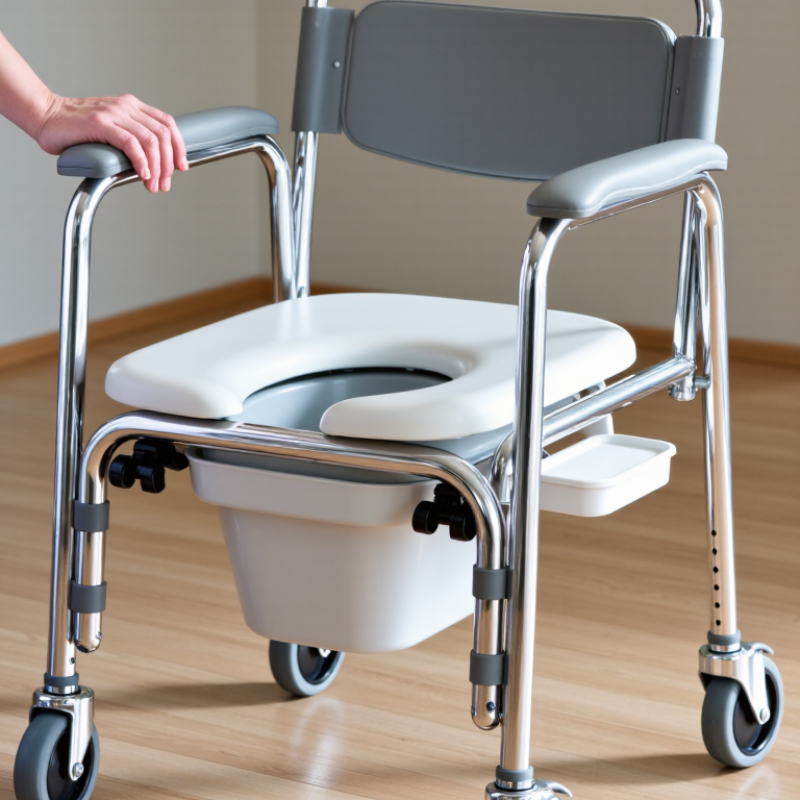
A commode chair with wheels is a mobile toileting aid that combines a seat, a removable collection bucket, and casters. Some models roll over a standard toilet; others are designed for bedside use. The wheels can help a caregiver move someone between rooms, but they do not make every transfer safe. Brakes, armrests, seat height, and the user’s ability to sit upright all matter.
The need is real. The U.S. Centers for Disease Control and Prevention reports that more than one in four adults aged 65 and older falls each year. Its older-adult falls guidance also highlights serious outcomes, including emergency department visits and hospitalizations. These figures describe falls broadly, not accidents caused by commode chairs. That distinction matters. A chair may support daily care, yet poor fit, unlocked brakes, or a slippery bathroom floor can introduce risk.
A careful choice starts with the person, not the product description. Check the chair’s weight limit, wheel locks, seat width, bucket access, and whether it fits through doorways. Then consider who will assist with transfers and cleaning. Small details count. A cramped turn beside a bed can change the whole routine.
No verifiable expert quotation or source article was supplied, so I will not invent a specialist’s words. Before publication, add a direct quote only after checking it against an identifiable interview, clinical source, or professional report. A commode chair with wheels can make toileting more manageable, but it is not a substitute for individualized assessment.
Definition and Purpose of a Commode Chair with Wheels
A commode chair with wheels is a movable toilet seat designed for people who have difficulty walking to a bathroom. Most models have a seat opening, armrests, casters, and a removable waste container; some can be positioned over a toilet. The wheels help a caregiver move the chair between a bedside and bathroom, while locking brakes help keep it still during transfers. It is not simply a wheelchair with a toilet seat. The frame and user’s transfer needs matter.
Its purpose is to reduce the distance and effort involved in toileting, especially at night or during recovery from illness or surgery. The CDC reports that about one in four U.S. adults aged 65 and older falls each year. The World Health Organization estimates 684,000 fatal falls occur worldwide annually. These figures describe fall risks, not proof that a commode chair prevents falls. Fit and safe use are essential. Check doorway width, seat height, weight capacity, and whether the brakes are reachable before choosing a chair. A detail that is easy to miss: wheels can make positioning easier, but they also require careful locking before a transfer. A clinician or trained caregiver can help assess whether the chair suits the person’s mobility and home layout.
What Is a Commode Chair with Wheels? — Definition and Purpose
| Topic | Description | Practical purpose |
|---|---|---|
| Definition | A commode chair with wheels is a portable toileting chair with a seat opening and a removable collection pail or pan. Its wheels allow it to be moved when appropriate. | Provides a toilet option close to the user when walking to a bathroom is difficult or unsafe. |
| Common components | A seat and frame, wheels or casters, a collection pail, and—depending on the design—armrests, a backrest, footrests, and wheel locks. | Supports sitting and toileting; features vary, so check the chair’s instructions and specifications. |
| Main purpose | To make toileting more accessible for people with limited mobility, reduced balance, or difficulty reaching a standard toilet. | Can reduce the distance a person needs to travel for toileting and may help caregivers provide assistance. |
| Typical settings | May be used at home or in care settings, including near a bed or in an accessible bathroom, when the selected chair is suitable for that environment. | Offers a toileting option where the user needs it; it is not automatically suitable for every room or transfer method. |
| Wheels and movement | Wheels help a caregiver move the chair over suitable, level surfaces. Some models are designed for use over a toilet; others are intended for bedside use only. | Check the product instructions before moving a person in the chair or positioning it over a toilet. |
| Wheel locks and stability | Many wheeled models have locks or brakes intended to keep the chair from rolling while stationary. | Engage the locks before sitting, standing, transferring, or using the chair, following the manufacturer’s guidance. |
| Choosing a chair | Relevant considerations include the user’s weight, seat height and width, transfer needs, available space, wheel-lock design, and whether the chair fits over a toilet. | A healthcare professional or equipment supplier can help assess fit and safe use, especially when transfers require assistance. |
| Care and cleaning | The collection pail should be emptied and cleaned regularly. Clean the seat and frame according to the product’s care instructions, and check wheels and locks for proper function. | Routine cleaning and inspection support hygiene and help identify wear or loose parts. |
Note: A commode chair with wheels is a mobility and toileting aid, not a substitute for individualized advice about transfers or fall prevention.
Related Posts
-

How to Choose a Commode Chair With Wheels?
-

China Top 10 Rolling Shower Chair Commode Suppliers?
-

2026 Top Bariatric Shower Chairs With Wheels Buying Guide
-
How to Choose the Best Rolling Shower Chair Commode?
-
2026 Best Commode Chair with Wheels for Easy Accessibility?
-

Top Tips for Choosing the Best Broda Chair for Your Needs?