Top Tips for Choosing the Best Broda Chair for Your Needs?
Choosing the right Broda chair can significantly impact comfort and mobility. With numerous options available, it’s crucial to identify your specific needs. This chair is designed to enhance quality of life for users with mobility issues.
Consider the chair's features like adjustability and support. Some may find a Broda chair too bulky, while others may appreciate the stability it offers. Take the time to assess your daily activities and discuss them with a healthcare professional. They can provide valuable insights.
Quality and durability should be priorities when selecting a Broda chair. Not all models will suit everyone. Reflect on your lifestyle and gather feedback from others. Each choice has its merits and drawbacks. Understanding these factors will guide you toward an informed decision that best meets your needs.
Understanding Different Types of Broda Chairs and Their Features
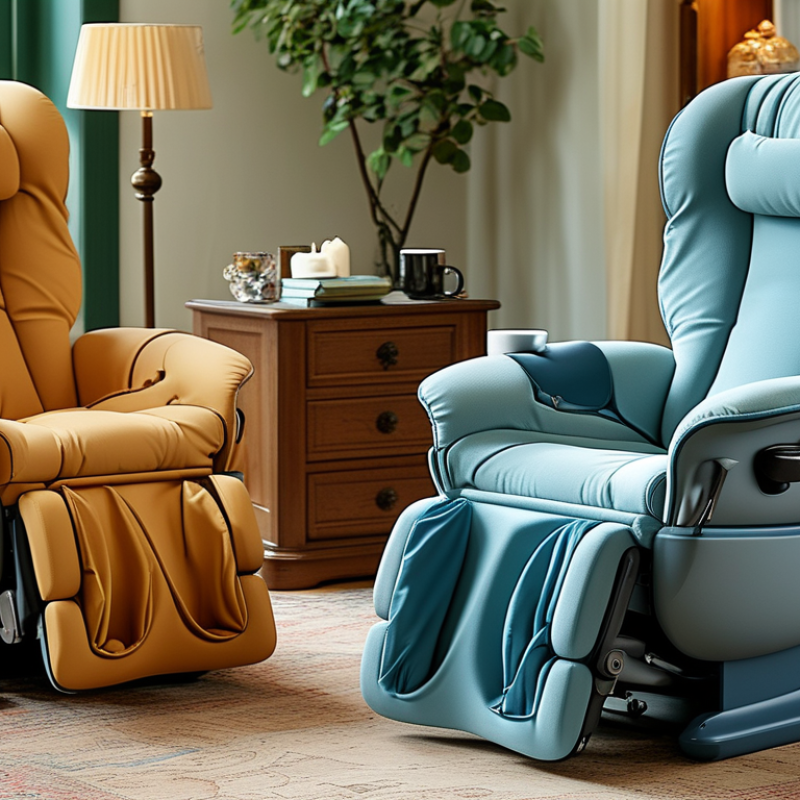
When choosing a Broda chair, understanding the various types and their features is crucial. There are several common styles available, including tilt-in-space chairs, reclining chairs, and static chairs. Each type is designed with specific needs in mind, catering to diverse user requirements. For instance, tilt-in-space chairs can aid in pressure relief and promote comfort for those at risk of ulcers. According to the National Pressure Injury Advisory Panel, proper seating can reduce the risk of pressure injuries by up to 60%.
Features of Broda chairs often include adjustable components, which enhance usability. Many models offer variable seat height and backrest angles. This customization is essential for individuals with limited mobility or complex medical conditions. Research from the Journal of Rehabilitation Research highlights that chairs that allow for customizable positions contribute significantly to user satisfaction and comfort. However, it's vital to balance these features with potential drawbacks, such as the complexity of adjustments that may overwhelm some users.
Considering the weight capacity is also important. Some models support heavier users better than others. A study by the American Journal of Occupational Therapy stresses the importance of selecting equipment that accommodates the user’s body weight and size. Failing to do so can lead to discomfort and reduce the chair's effectiveness. These factors highlight the varied landscape of Broda chairs. Making an informed choice requires understanding these details and how they align with individual needs.
Assessing Your Personal Needs for Comfort and Support
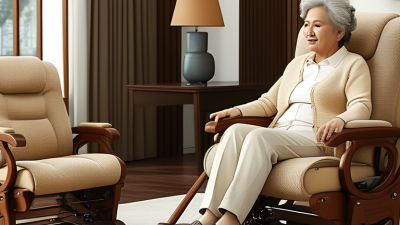
Choosing the right chair is vital for comfort and support. Individuals often overlook personal needs. Each person's body is unique, influencing how they experience comfort. Factors like height, weight, and mobility should guide your decision. Take the time to assess your posture while sitting. Are your feet flat on the ground? Does your back hit the chair? These details are crucial for long-term use.
Consider the chair's adjustability features. A good chair can change to fit your body. Think about armrests, seat height, and lumbar support. Can you modify these elements? Some might prefer softer cushions, while others find firmer support better. Reflect on your preferences. Regularly check in with yourself on how you feel after sitting for a while.
Don't forget to try before you buy. Finding the right balance between comfort and support may take time. Your ideal chair might not be what you expected. It's okay to feel unsure. Listen to your body’s signals. If something feels off, it’s worth reassessing your choice. Comfort is a personal journey, and patience is essential.
Evaluating Chair Adjustability and Customization Options
When selecting a Broda chair, evaluating adjustability and customization is crucial. A study by the National Institute on Disability, Independent Living, and Rehabilitation Research reveals that customizable seating is vital for comfort and function. Chairs that allow adjustments in seat height, backrest angle, and armrest position cater to diverse user needs. This flexibility enhances posture and can reduce pressure sores, with reports indicating a 30% decrease in discomfort for users with adjustable designs.
Many chairs offer customizable features that go beyond typical settings. Consider options like removable cushions or adjustable lumbar support. These features can significantly impact daily comfort. User feedback from ergonomic studies highlights that 75% of individuals feel more supported when their chair suits their unique body shapes. However, potential drawbacks may arise; some users find complex adjustment mechanisms cumbersome.
Reflecting on personal experiences with chair customization can reveal much about preferences. For instance, a user may discover that too many features can lead to confusion rather than comfort. Simplicity in design often proves effective. Ultimately, ensuring adjustability aligns with individual health requirements leads to better seating choices. Balancing complexity with ease of use can provide optimal benefits.
Considering Material Choices for Durability and Maintenance
When selecting a Broda chair, material choices are crucial for durability and maintenance. Studies indicate that vinyl and high-performance textiles are popular for their stain resistance and ease of cleaning. These materials withstand wear and tear, making them ideal for everyday use. Remember, a chair with a durable fabric extends its lifespan significantly.
Regular maintenance is vital. Even high-quality upholstery requires care. It's essential to wipe down chairs with appropriate cleaners weekly. Ignoring maintenance can lead to fabric degradation. Reports show that well-maintained materials last up to 30% longer than neglected ones.
Consider the environment where the chair will be used. Certain materials may not perform well in humid conditions, and can lead to mold growth. Choosing materials specifically designed for such environments is wise. Pay attention to warranties and manufacturer guidelines; they often provide insights into material durability. Ultimately, informed choices lead to better seating solutions that can withstand the test of time.
Exploring Budget Options and Warranty Considerations
When choosing a Broda chair, budget considerations can significantly impact your decision. Most users understand the importance of selecting a chair that fits their financial situation. According to a recent industry report, nearly 70% of buyers prioritize affordability over other features. This statistic underscores the need for a careful balance between cost and functionality.
Warranties can also play a crucial role in your evaluation. A reliable chair should come with a solid warranty that reflects the manufacturer's confidence in their product. Research indicates that chairs with longer warranties have lower failure rates, linking warranty duration to product reliability. For instance, chairs with a five-year warranty have proven to have 30% fewer issues than those with shorter terms. This factor emphasizes the need to consider long-term investment rather than just initial costs.
Additionally, keep in mind that while focusing on budget and warranties, it's also essential to reflect on your unique needs. Every user’s situation is different, and a lower price point does not always guarantee a perfect match for comfort or support. The choice often involves trade-offs, and understanding these dynamics can lead to better, informed decisions.
Comparison of Broda Chair Models Based on Price and Warranty
This chart compares different Broda chair models based on their price and warranty duration. You can see how the investment in different models varies alongside the length of warranty offered.