What is a Geriatric Chair and How to Choose the Right One?
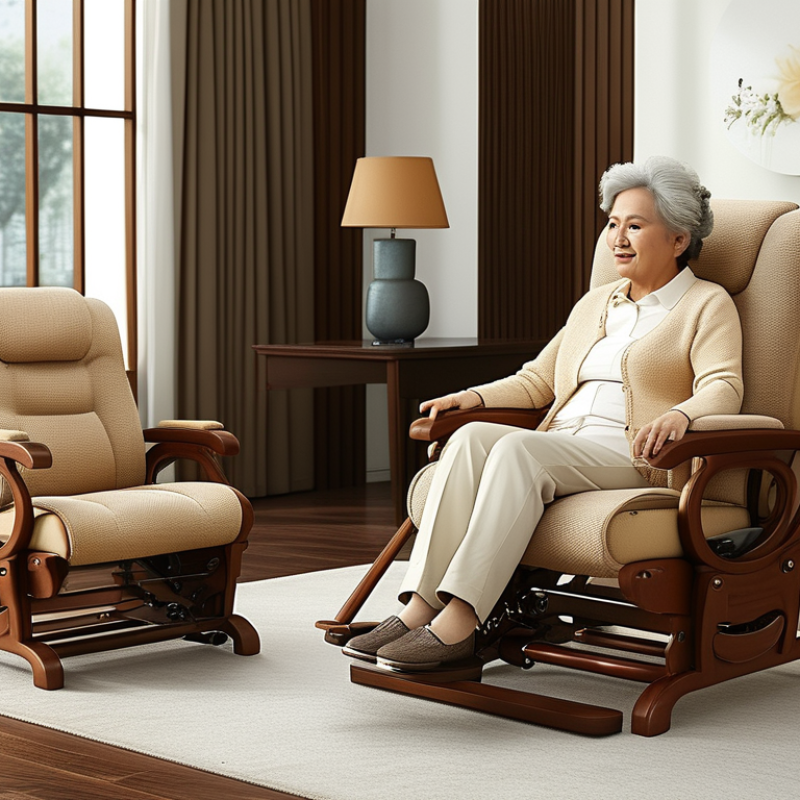
A geriatric chair is essential for the elderly. It provides comfort and support for those with limited mobility. These chairs are specifically designed for the needs of older adults.
Choosing the right geriatric chair requires careful consideration. Factors like size, adjustability, and material play a crucial role. It is important to ensure it fits well in the living space. The chair should also be easy to clean and maintain.
Not all geriatric chairs are created equal. Some may lack the support needed for prolonged use. Research and comparison are vital to find the best option. Investing time in selection can prevent future discomfort. Ultimately, the right chair can enhance the quality of life for seniors.
What is a Geriatric Chair?
A geriatric chair is specifically designed for elderly individuals. It provides comfort and support for those who may have limited mobility or require extra assistance during daily activities. These chairs typically feature adjustable heights, sturdy armrests, and easy-to-clean materials. According to the National Institute on Aging, about 80% of older adults live with one or more chronic health conditions. A well-designed chair can significantly enhance their quality of life.
When selecting a geriatric chair, consider the individual’s needs. Look for features like reclining options and mobility aids. These can make a significant difference in daily comfort. According to a 2020 report by the Journal of Aging and Health, proper seating can improve posture and circulation. The right chair may even prevent pressure sores, which affect up to 30% of seniors in long-term care.
Tip: Always ensure the chair provides proper back support. Poor support can lead to discomfort or even injury. Also, test different models for ease of use. Aging often comes with physical changes, so adaptability is key. Strive for a chair that complements their lifestyle and personal preferences, as this can make a profound impact on their overall well-being.
Key Features of Geriatric Chairs
Geriatric chairs are designed with the elderly in mind. They focus on safety, comfort, and accessibility. A critical study from the American Occupational Therapy Association emphasizes that geriatric chairs can reduce fall risk by 40%. Choosing the right chair involves understanding specific features to meet individual needs.
One key feature is adjustability. Options to modify seat height and back recline are essential. It allows users to find their comfort zone. Ergonomic armrests provide crucial support for getting in and out of the chair. A National Institute on Aging report indicates that supportive armrests can help decrease strain on joints.
Another important aspect is the material. Chairs made from easy-to-clean, breathable fabric contribute to hygiene and comfort. Weight capacity is also a consideration. Many chairs support up to 300 pounds, but it’s vital to check specifications based on user requirements. While there are many choices, not all meet the rigorous safety standards. It’s essential to ensure any chair has certification from relevant health authorities.
Benefits of Using Geriatric Chairs for Seniors
Geriatric chairs are designed with the elderly in mind, providing comfort, safety, and support. According to a study by the National Institute on Aging, proper seating can significantly reduce pressure ulcers, a common issue among seniors. This highlights the importance of choosing the right chair to enhance quality of life.
These chairs often feature supportive backs and adjustable heights. Some models even come with built-in mobility aids. Many users report feeling more secure and stable in these specially designed chairs. However, not all geriatric chairs are created equal. It’s crucial to consider the specific needs of the individual, such as mobility limitations and intended use.
An assessment by the American Geriatrics Society notes that ergonomic design leads to improved circulation and decreased risk of falls. These chairs can also assist caregivers, making it easier to transfer seniors safely. Still, finding the perfect match may require some trial and error. It's essential to test different models to identify what feels best.
Factors to Consider When Choosing a Geriatric Chair
When selecting a geriatric chair, comfort and functionality are paramount.
It is essential to assess the chair's size ability to suit the user’s physical dimensions. A properly sized chair can promote better posture and reduce strain. Consider the seat height; it should allow feet to rest flatly on the floor.
Another factor is the material used in the chair. Choose upholstery that is easy to clean and breathable. Seniors often experience temperature fluctuations, so a fabric that offers comfort in all seasons is vital. Invest in a chair with supportive cushioning for prolonged use. Proper alignment can alleviate discomfort and prevent pressure sores.
Tips: Look for features like adjustable armrests and reclining options. They enhance usability and adapt to the user's needs. If possible, test the chair. This ensures it meets expectations regarding comfort and accessibility. Encourage family members to weigh in on choices; sometimes, others notice details you might overlook.
Types of Geriatric Chairs Available on the Market
When selecting a geriatric chair, understanding the types available is essential. Numerous options cater to varying needs. For instance, recliner chairs allow users to adjust their position for comfort. This feature can effectively reduce pressure sores by promoting better circulation. According to a report from the American Geriatrics Society, proper seating is crucial for the elderly’s well-being, as nearly 30% of elderly falls occur during transfers.
Lift chairs are another popular type. They use a motorized system to assist users in standing up or sitting down, reducing the risk of injury. Data from the National Institute on Aging reveals that approximately 25% of older adults struggle with mobility, making lift chairs a valuable investment. Comfort and support in these chairs must also align with personal health conditions.
Folding and transportable chairs suit those who need portability. These chairs are lighter and more compact, ideal for outings. However, they often lack the same support as traditional geriatrics chairs. Users should balance portability and comfort carefully. With such a variety in the market, thoughtful consideration is key to making the right choice.
What is a Geriatric Chair and How to Choose the Right One? - Types of Geriatric Chairs Available on the Market
| Type of Geriatric Chair |
Features |
Recommended For |
Price Range |
| Reclining Geriatric Chair |
Adjustable reclining backrest, cushioned seat, and footrest. |
Individuals who require rest and comfort. |
$400 - $800 |
| Lift Chair |
Power lift mechanism, plush upholstery. |
Individuals with mobility challenges. |
$500 - $1,200 |
| Shower Chair |
Water-resistant materials, non-slip feet. |
Individuals needing assistance in the bathroom. |
$100 - $300 |
| Transport Chair |
Lightweight, foldable frame, hand brakes. |
Individuals requiring easy transport. |
$150 - $400 |
| Standard Geriatric Chair |
Comfortable seating, armrests, and supportive back. |
General use for elderly individuals. |
$200 - $600 |