Top 10 Benefits of Using a Geriatric Chair for Caregivers?
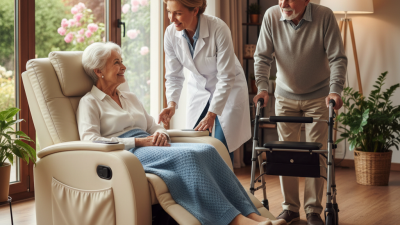
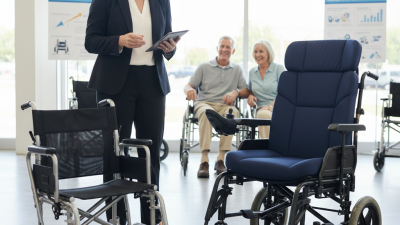
The use of a geriatric chair in caregiving has become increasingly essential in supporting elderly individuals. Recent data from the American Geriatrics Society reveals that nearly 20% of older adults experience mobility issues. This highlights the need for specialized seating solutions. Geriatric chairs offer comfort, safety, and accessibility, all crucial for enhancing the quality of life for seniors.
Dr. Emily Thompson, a leading expert in geriatric care, emphasizes, "A well-designed geriatric chair can transform the daily experiences of elderly patients." These chairs are specifically designed to accommodate various physical needs, promoting better posture and reducing the risk of falls. They equip caregivers with the tools to provide more effective support and increase independence for their patients.
Although geriatric chairs present numerous benefits, it is vital to choose the right model. Some may not fully meet individual needs. Not all chairs provide adequate lumbar support, which is crucial for long-term use. Caregivers must remain vigilant, ensuring that the right chair is chosen for each individual. This careful selection process can make a significant difference in the overall care provided.
Benefits of Geriatric Chairs: Enhancing Comfort for Seniors
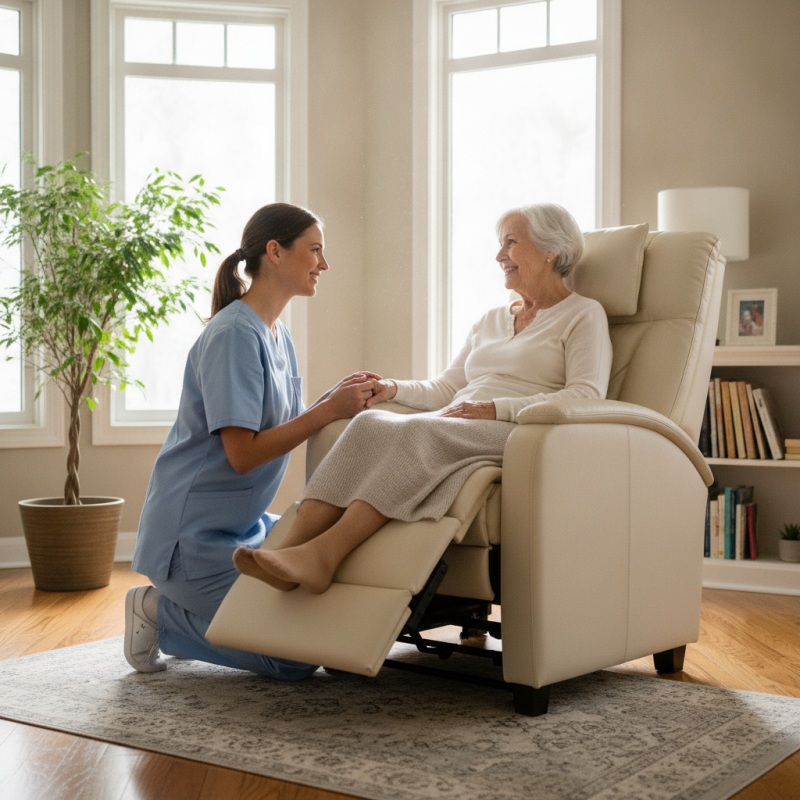
Geriatric chairs are essential tools in caregiving. They provide vital support for seniors, enhancing their comfort and well-being. By optimizing seating for the elderly, caregivers can help reduce their physical strain. Many geriatric chairs are designed with ergonomic features that promote proper posture. This reduces the risk of pressure sores and muscle pain.
Comfort is more than just physical. Seniors experience a sense of security in a chair designed specifically for their needs. Many have adjustable features, allowing for personalized adjustments. Such customization enables seniors to feel more at ease and maintain independence. The soft upholstery and supportive backrests also add to the overall comfort.
However, not all chairs work for everyone. It’s important to consider individual needs. Some may find a chair too large or too firm. Regular assessments can help ensure the chair remains suitable over time. While geriatric chairs can significantly enhance comfort, they should be part of a broader care approach that includes regular communication with seniors about their preferences. Understanding their experiences can lead to better care decisions.
Improving Posture and Reducing Pressure Ulcers with Geriatric Chairs
Geriatric chairs play a critical role in enhancing the comfort and safety of elderly individuals. These chairs are designed specifically to support proper posture. Many elderly users struggle with slumping or leaning, which can lead to serious health issues over time. By providing adequate lumbar support, geriatric chairs encourage users to maintain a more upright position. This small change can significantly improve spinal alignment and reduce back pain.
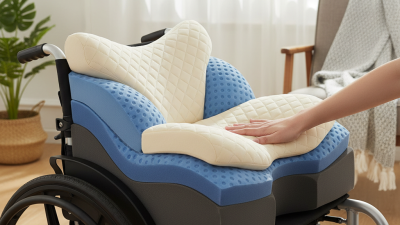
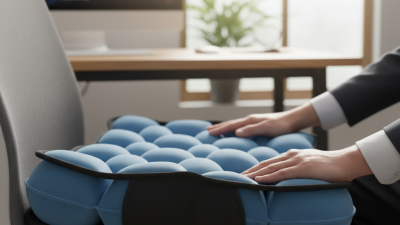
Pressure ulcers are a common concern for individuals who spend extended periods sitting down. Traditional chairs may not offer the necessary support to prevent these painful sores. Geriatric chairs often come with specialized cushioning that redistributes body weight. This design helps minimize pressure on bony areas. Regular use allows caregivers to mitigate the risk of ulcers effectively. Yet, caregivers must remember that these chairs do not replace regular movement. Mobility remains essential for overall health.
Improving posture and reducing pressure ulcers are crucial goals in geriatric care. However, the effectiveness of a geriatric chair hinges on proper usage. Some caregivers may overlook crucial adjustments that could enhance comfort. Not every chair fits every individual perfectly. It is essential to evaluate the specific needs of each user. The right adjustments can make a significant difference in comfort and health outcomes.
Facilitating Mobility: How Geriatric Chairs Assist Caregivers
Geriatric chairs are more than just seating; they are critical tools for caregivers. These specialized chairs help individuals with mobility issues. They offer support and comfort that enhance the daily routine. Caregivers appreciate the ergonomic design of these chairs. They allow elderly individuals to sit safely without straining their bodies.
Mobility is a key benefit of using geriatric chairs. They often come with features like swivel bases and sliding mechanisms. These allow users to stand up or sit down with ease. The chairs also typically have adjustable heights, accommodating various body types. Caregivers find this useful, as adjusting the chair can significantly alleviate physical strain during transfers. However, not all chairs provide the same level of comfort.
Using a geriatric chair can sometimes lead to issues. Some users might feel too constrained, which could affect their willingness to use the chair. It's essential for caregivers to choose wisely and involve users in the selection process. Observing how a chair affects mobility helps refine choices. Such reflection can lead to better outcomes for caregivers and the elderly alike.
Top 10 Benefits of Using a Geriatric Chair for Caregivers
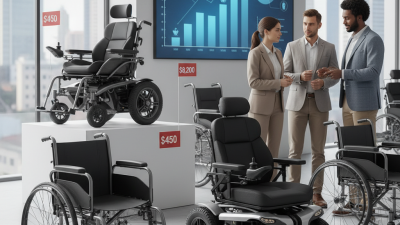
This chart illustrates the top ten benefits of using a geriatric chair for caregivers, showcasing how each benefit contributes to improved care and support for elderly individuals. The ratings highlighted are based on caregiver feedback, reflecting the importance of these chairs in enhancing comfort and mobility.
Economic Impact: Cost Savings from Injury Reduction in Caregiving
The economic impact of using geriatric chairs is profound for caregivers. Studies show that approximately 27% of caregivers experience injuries related to lifting or transferring patients. These injuries can lead to lost workdays and increased healthcare costs. When caregivers are injured, families often face additional expenses, not only for medical treatment but also for replacing care efforts.
Implementing geriatric chairs can significantly reduce these risks. Research indicates that facilities using ergonomic chairs report a 50% decrease in caregiver injuries. This not only helps to create a safer work environment but also translates to substantial cost savings. Estimates suggest that reducing caregiver injuries can save healthcare facilities around $1.5 million annually in worker’s compensation claims.
Yet, not all facilities adopt this approach. Many may overlook the long-term benefits of investing in specialized furniture. Caregivers often express frustration over the physical demands of their roles. With better equipment, they can provide care more effectively while maintaining their own health. It's a reminder that addressing caregiver well-being is essential for sustainable caregiving practices.
Top 10 Benefits of Using a Geriatric Chair for Caregivers - Economic Impact: Cost Savings from Injury Reduction in Caregiving
| Benefit |
Description |
Estimated Cost Savings ($) |
| Injury Reduction |
Reduces risk of caregiver back injuries |
$2,500 |
| Improved Posture |
Encourages better body mechanics while lifting |
$1,750 |
| Enhanced Comfort |
Provides ergonomic support for caregivers |
$1,200 |
| Time Efficiency |
Streamlines caregiver tasks and reduces time spent |
$3,000 |
| Increased Mobility |
Facilitates easier mobility for caregivers |
$1,900 |
| Better Patient Handling |
Improves methods for moving patients safely |
$2,200 |
| Reduced Fatigue |
Minimizes physical strain on caregivers |
$1,600 |
| Lower Turnover Rates |
Enhances job satisfaction and retention |
$4,500 |
| Enhanced Patient Care |
Improves attention and care quality |
$2,800 |
| Improved Compliance |
Increases adherence to safety protocols |
$1,500 |
Promoting Independence: The Role of Geriatric Chairs in Daily Activities
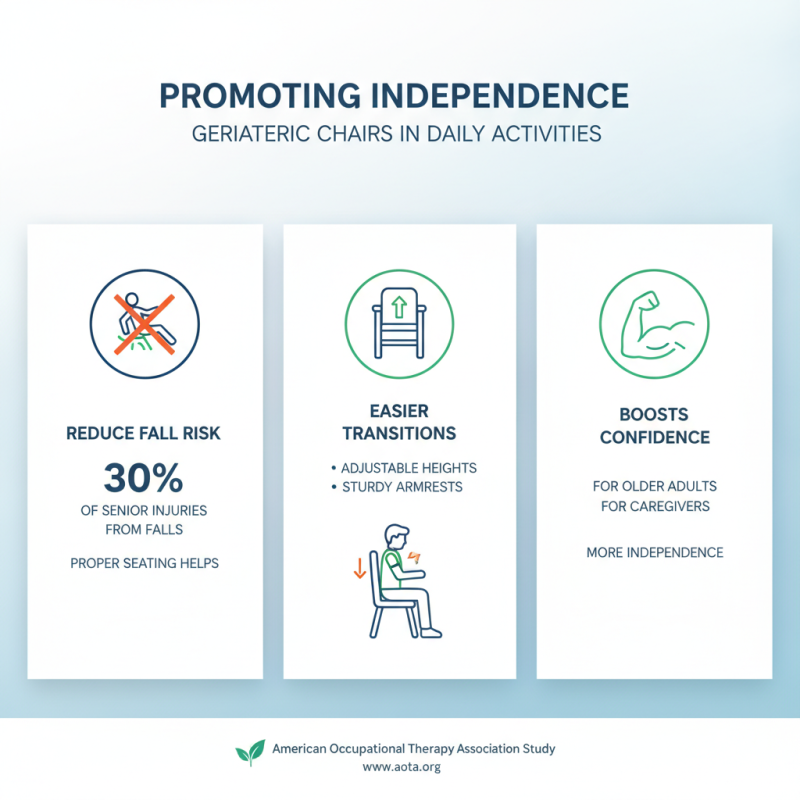
Geriatric chairs are designed to support older adults in maintaining their independence throughout daily activities. A study by the American Occupational Therapy Association highlights that proper seating can significantly reduce the risk of falls, which accounts for over 30% of injuries in seniors. Geriatric chairs often come with features like adjustable heights and sturdy armrests, making transitions from sitting to standing easier. This not only fosters independence but also boosts the confidence of caregivers, allowing them to focus on other tasks.
Moreover, the ability to customize positions in a geriatric chair can greatly enhance comfort and accessibility. According to the Centers for Disease Control and Prevention, sitting in an ergonomically designed chair alleviates pressure on joints and promotes better circulation. Some chairs even include specialized back support to reduce pain, improving overall well-being. Despite their benefits, not all caregivers are aware of the importance of ergonomics in chair selection. This knowledge gap can hinder effective caregiving, highlighting the need for better training and resources. Rethinking old habits about seating can lead to substantial improvements in both caregiver and patient experiences.