How to Choose the Right Transport Chair for Your Needs?
Choosing the right transport chair can be daunting. With so many options available, it’s vital to make an informed decision. According to Mary Thompson, a leading expert in mobility solutions, "A transport chair should cater to individual needs for comfort and functionality." This insight emphasizes the importance of fitting a transport chair to specific requirements.
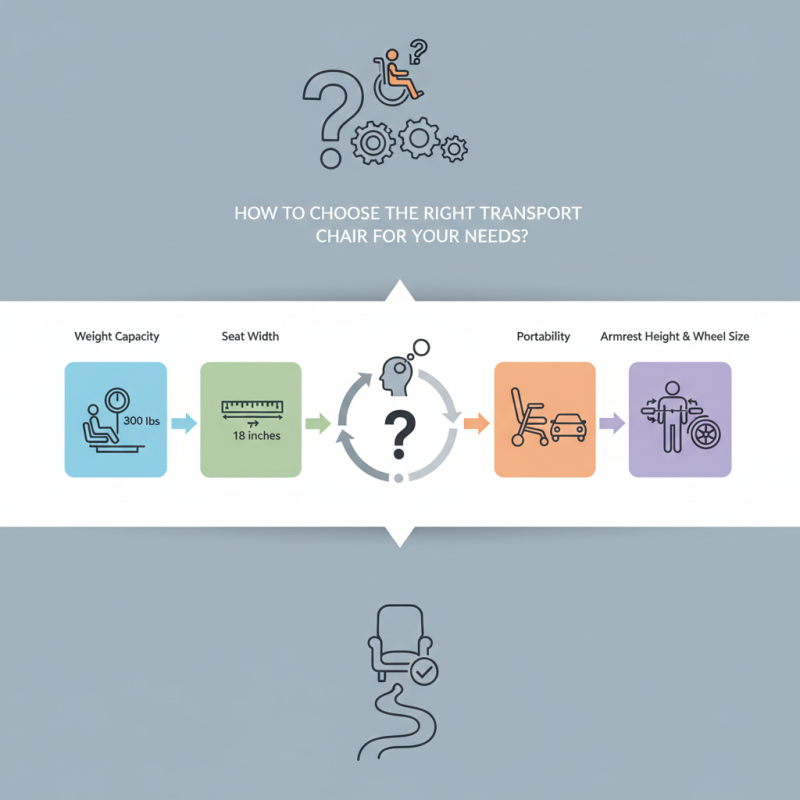
Many factors influence the choice of a transport chair. Weight capacity, seat width, and portability are crucial. A consumer might struggle to find a chair that balances these features effectively. It can feel overwhelming, especially when health needs are in play. Assessing these specifications is not just about convenience; it’s about safety and comfort.
Understanding personal requirements is essential. What suits one person may not work for another. Many users overlook factors like armrest height and wheel size, making their selection challenging. Each transport chair must fit its user’s lifestyle and mobility challenges. Taking the time to evaluate these specifics can lead to a better experience. Reflecting on personal needs can reveal adjustments that make a significant difference. A tailored approach is often the most effective strategy.
Understanding the Different Types of Transport Chairs Available in the Market
When selecting a transport chair, it is vital to understand the options available. Various types cater to different needs. Standard models are lightweight and often foldable, making them easy to store. Heavy-duty models support larger users and often come with enhanced comfort features. Some chairs may include adjustable leg rests, adding versatility for different preferences.
A recent market analysis by the Healthcare Equipment Research Group highlighted that lightweight transport chairs account for 60% of sales. These models are favored for ease of use and portability. Conversely, heavy-duty chairs see a consistent demand, as they cater to individuals who require more support. This illustrates that personal needs significantly influence choice.
Tip: When considering your needs, look for chairs with ample seat width. Comfort can directly impact mobility. Always check weight capacity, ensuring the chair is suitable for its intended user. Testing a chair before purchasing can prevent potential regrets. Make your decision based on comfort and functionality, not just price.
Types of Transport Chairs and Their Weight Capacities
Key Features to Look for in a Transport Chair for Maximum Comfort
When selecting a transport chair, comfort is paramount. Look for padded seats and adjustable footrests. Cushioned armrests can provide extra support during long outings. Materials should be breathable, especially if you are using the chair for extended periods.
Another crucial feature is the chair’s weight. Lightweight models are easier to maneuver. However, ensure that the chair can support the user’s weight without compromising stability. Folding mechanisms should be straightforward, allowing for easy storage and transport. Consider the wheel size as well; larger wheels offer better outdoor performance but may make the chair bulkier.
Accessibility features are also vital. Ensure the chair has adequate safety belts or straps. Reflective strips can enhance visibility during low-light conditions. Some designs allow easy transfer from the chair to a bed or car, which can be very beneficial. Remember, it’s important to think about your specific needs and lifestyle. Reflect on what features you might actually use and prioritize comfort over just aesthetics.
Analyzing Portability: Importance of Wheel Sizes and Folding Mechanisms
Choosing the right transport chair hinges significantly on its portability features, particularly wheel sizes and folding mechanisms. Wheel sizes affect both maneuverability and stability. Smaller wheels are better for indoor use, while larger wheels enhance outdoor mobility. According to a report by the National Mobility Equipment Dealers Association, chairs with 8-inch wheels offer good indoor navigation, yet 12-inch wheels provide superior outdoor performance. An informed decision can significantly enhance daily activities for users.
Folding mechanisms are also crucial. A lightweight chair with a simple folding process is highly beneficial. Many users struggle with complex mechanisms, which can lead to frustration and potential injuries. A study from the Accessibility Solutions Institute stated that 60% of people cited ease of use as a top priority when selecting a transport chair. Consider chairs that fold easily with one hand, reducing the risk of accidents.
Tips: Test the chair’s portability before purchasing. Push it around in both tight and open spaces. Assess how easily it folds and unfolds. Also, check the weight: a lighter chair can make transport more manageable. Don’t overlook the importance of practicing with the mechanism; this ensures it meets your needs in real-life scenarios.
How to Choose the Right Transport Chair for Your Needs?
| Feature |
Description |
Wheel Size |
Folding Mechanism |
| Lightweight |
Ideal for easy transport and use in small spaces. |
8 inches |
Quick-release fold |
| Heavy-duty |
Designed for larger individuals, offering increased durability. |
12 inches |
Compact fold |
| Transport-friendly |
Easily fits into most vehicles. |
10 inches |
Single-handed fold |
| All-terrain |
Suitable for various outdoor surfaces. |
14 inches |
Easy-release fold |
| Compact |
Great for close quarters and easy storage. |
6 inches |
Tri-fold mechanism |
Assessing Budget Considerations and Warranty Options in Transport Chairs
When selecting a transport chair, budget considerations are crucial. Many chairs range from $100 to $800. Higher-priced models often feature better materials and extra amenities. However, spending more doesn't always guarantee better quality. Findings from the Mobility Equipment Dealers Association show that 30% of consumers are dissatisfied with their purchase due to performance issues.
Warranties are equally important when choosing a transport chair. A robust warranty reflects the manufacturer's confidence in their product. The average warranty period for transport chairs is one to five years. Look for warranties covering frame integrity and moving parts. Surveys indicate that consumers often overlook these details, leading to future repair costs.
Assess your specific needs alongside your budget. Consider how frequently you will use the chair. If you need it for daily use, investing in a reliable model can save on repairs. Remember, a lower upfront cost could lead to higher long-term expenses if the chair fails early. Understanding these aspects ensures you make a more informed decision.