Celebrating 45 Years of clinical innovation, comfort, and caregiver support at Broda.

Explore the Legacy!

Top Broda Chair Models for Global Healthcare Buyers

Choosing the right broda chair is a practical decision for hospitals, rehabilitation centers, and long-term care facilities worldwide. Buyers must look beyond appearance and brand recognition. A suitable chair should support safe transfers, comfortable positioning, pressure management, and efficient daily care.

This guide introduces leading Broda chair models and explains where each design may perform best. It considers tilt and recline functions, seat dimensions, positioning supports, mobility, cleaning needs, and caregiver handling. These details matter when a chair moves through narrow corridors or remains beside a patient for several hours.

Real-world use can reveal differences that product pages overlook. A durable frame may still feel difficult to maneuver on uneven flooring. A highly adjustable model may also require more staff training. Small observations matter. They often shape long-term value.

The discussion draws on clinical equipment principles, manufacturer specifications, and practical purchasing considerations. However, model availability, accessories, and regional service support can change. Buyers should verify current details with authorized suppliers and qualified clinical or procurement teams. Local facility policies and patient assessments should guide the final choice.

No single chair suits every patient. That is worth remembering. The top model for one care setting may be unsuitable for another. This overview therefore focuses on informed comparison rather than exaggerated claims. It aims to help global healthcare buyers ask better questions, compare realistic requirements, and select equipment that supports dignity, safety, and dependable care.
Top Broda Chair Models for Global Healthcare Buyers

Broda Model Map: 30VT, 30HC, 85V, and 85-N by Care Setting

The 30VT, 30HC, 85V, and 85-N serve different care-setting priorities. A clear model map reduces costly purchasing mistakes.

The 30VT suits facilities needing frequent repositioning and postural support. Its tilt-oriented design can help staff manage residents with limited trunk control. The 30HC deserves attention where higher user weight, wider access, and durable daily use matter. Confirm doorway clearance, lift compatibility, and safe working load before ordering.

The 85V fits environments requiring adaptable positioning during extended sitting. It may support rehabilitation rooms, nursing units, and supervised transport. The 85-N can be considered for routine clinical seating where simpler operation and dependable maneuverability are more important. These descriptions should not replace an onsite assessment. User size, transfer method, skin risk, cognition, and caregiver strength can change the best choice. No model map is perfect.

Tips: Match the chair to the care pathway, not only the diagnosis. The World Health Organization projects that one in six people worldwide will be aged 60 or older by 2030. That shift increases demand for safer mobility and pressure-management routines. The International Pressure Injury Guideline also emphasizes individualized repositioning and risk assessment. Ask staff to test brakes, recline controls, foot support, and cleaning access with a real patient profile. A 2023 audit by one facility may not predict yours. That is worth admitting. Collect trial feedback from nurses, therapists, patients, and maintenance teams before final approval.

Top Broda Chair Models for Global Healthcare Buyers - Broda Model Map: 30VT, 30HC, 85V, and 85-N by Care Setting

Model Primary Care Setting Chair Category Positioning Function Typical Resident or Patient Profile Operational Strength Buyer Considerations
30VT Long-term care, skilled nursing, rehabilitation, and post-acute care Tilt-in-space clinical seating Seat tilt changes the orientation of the seating system while helping maintain the resident’s relative hip, trunk, and lower-limb relationship Residents who require assisted repositioning, postural support, pressure-management strategies, or extended periods of seated care Supports routine repositioning, comfort-focused seating, and supervised mobility within a facility Confirm caregiver training, transfer procedures, cushion selection, doorway clearance, and compatibility with the facility’s seating and transport policies
30HC Long-term care, bariatric programs, hospitals, and rehabilitation departments Heavy-capacity tilt-in-space seating Provides assisted tilt positioning for users who need a wider or higher-capacity seating platform Larger-bodied adults or patients whose clinical plan requires enhanced seating capacity and postural support Can support safer positioning workflows when a standard seating width or capacity is unsuitable Check the current safe working load, seat width, seat depth, turning radius, lift compatibility, and local bariatric-equipment requirements before purchase
85V Nursing homes, assisted-living communities, memory-care units, and residential care Comfort-oriented tilt seating Uses a tilt function to assist with supported sitting, comfort adjustment, and pressure-relief routines under caregiver supervision Older adults with reduced trunk control, fatigue, limited mobility, or a need for supportive communal seating Suitable for daily indoor use, resident comfort, and movement between rooms or common areas when clinically appropriate Evaluate seat-to-floor height, foot support, upholstery cleanability, resident access, and the ability to maneuver safely in narrow corridors
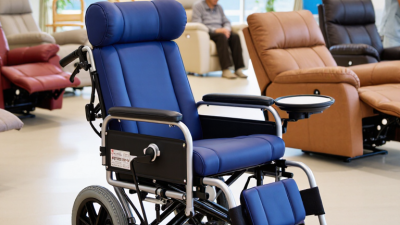
85-N Nursing homes, residential care, assisted living, and general institutional use Supportive geri-chair style seating Designed for supported sitting and reclined positioning with caregiver assistance, subject to the configured model and clinical assessment Residents who need more support than a standard chair but do not necessarily require a heavy-capacity seating platform Practical for routine resident seating, rest periods, bedside use, and supervised movement within a care environment Verify recline or tilt range, transfer method, wheel-lock operation, tray requirements, cleaning protocol, and the intended level of postural support
Procurement note: Product specifications, safe working loads, dimensions, accessories, and available configurations may vary by production year, market, and supplier. Buyers should confirm the current technical datasheet, clinical assessment requirements, applicable transport regulations, and local infection-prevention standards before placing an order.

30VT Tilt-in-Space: Positioning Needs and ISO 7176-19 Verification

Top Broda Chair Models for Global Healthcare Buyers

For global healthcare buyers, a 30VT tilt-in-space chair should be judged by real positioning tasks, not catalog photos. Its tilt range can support postural stability, pressure redistribution, and safer care routines. Yet angle alone proves little. Clinicians should observe pelvic alignment, trunk support, foot placement, and head control during daily use. Ask caregivers to adjust the chair beside a bed, in a narrow corridor, and on uneven flooring. Small details matter. A heavy lever or unclear indicator can cause inconsistent positioning.

ISO 7176-19 verification deserves careful review. This standard addresses wheelchairs used as seats in motor vehicles. It evaluates performance under specified tiedown and occupant-restraint conditions. Buyers should request the test scope, configuration, restraint points, and instructions supplied with the tested setup. A passing report may not cover every accessory, recline angle, cushion, or seating width. That limitation is easy to miss. The chair must also fit local transport procedures and applicable regulations. Verification supports confidence, but it does not justify improvised restraints.

For procurement teams, compare documented results with field evidence. Check frame integrity, caster tracking, brake access, and cleanability after repeated transfers. Ask whether staff can secure the chair quickly without excessive force. A practical trial often exposes problems that specifications hide. One honest concern remains: users vary widely. A configuration that works well for one resident may create shear or discomfort for another. Record clinical observations, reassess positioning, and keep training materials current. Good purchasing includes room for correction.

30VT Tilt-in-Space: Positioning Needs and ISO 7176-19 Verification

Clinical planning index for common tilt-in-space positioning requirements. Scores use a 1–5 scale, where 5 indicates the highest priority. ISO 7176-19 verification is a separate pass/fail requirement for wheelchair seating systems intended for use as seats in motor vehicles.

The positioning scores are an application-planning index, not laboratory test results. ISO 7176-19 compliance should be confirmed through documented testing of the complete wheelchair and seating configuration.

30HC Heavy-Duty Chair: Bariatric Sizing and Safe Patient Handling

Top Broda Chair Models for Global Healthcare Buyers

The 30HC Heavy-Duty Chair is designed for patients who need greater seating capacity and stronger postural support. Its bariatric sizing can provide more room at the hips, thighs, and shoulders. That extra space may reduce pressure during longer periods of sitting. However, wider is not automatically safer.

Care teams should confirm the chair’s maximum working load, seat dimensions, and stability before use. Measure the patient while seated, including clothing and necessary medical equipment. A trained caregiver should explain each movement before repositioning begins. Lock the wheels when transferring, keep the floor clear, and use approved lifting equipment when required. The chair’s supportive contours can help maintain alignment, but they cannot replace individual assessment. Small details matter, such as foot placement and the angle of the transfer surface.

Patient handling is rarely perfect. A transfer may need to pause. That is acceptable. Staff should reassess comfort, skin condition, posture, and breathing throughout use. Records should include fitting observations and any difficulty encountered. Buyers can improve reliability by requesting technical documentation, cleaning guidance, user training, and service support from qualified suppliers. Availability of replacement components also deserves attention, especially for facilities managing heavy daily use.

85V Tilt-and-Recline: Pressure-Injury Screening with the 6–23 Braden Scale

An 85V tilt-and-recline chair can support pressure-injury screening during routine care. Its controlled positioning helps clinicians observe posture, skin exposure, and tolerance without forcing repeated bed transfers. However, the chair does not replace clinical judgment.

The Braden Scale scores six areas: sensory perception, moisture, activity, mobility, nutrition, and friction or shear. Scores range from 6 to 23. Lower scores indicate greater risk. Many facilities treat scores of 18 or below as a warning threshold, but local protocols may differ. AHRQ’s hospital safety guidance recommends structured risk assessment, frequent reassessment, and individualized prevention plans. The International Guideline also stresses repositioning, nutrition, skin inspection, and moisture management.

Use the chair beside a documented assessment workflow. Check the sacrum, heels, hips, and shoulder blades under adequate lighting. Record the score, posture, sitting duration, and skin response. A short sitting trial may reveal sliding or shear that is invisible during bed care. Small details matter.

No score is perfect. A patient may score moderately but deteriorate quickly after surgery, dehydration, or reduced mobility. Reassess after clinical changes, not only at admission. Research and practice reports also warn that screening accuracy depends on staff training and consistent documentation. The chair assists observation; trained professionals still make the decision.

Global Buying Criteria: WHO’s 1.3 Billion People Living with Disability and EN 12182

Top Broda Chair Models for Global Healthcare Buyers

Global demand for supportive care seating is not a niche concern. The World Health Organization reports that 1.3 billion people live with significant disability, representing about 16% of the world’s population. Its Global Report on Assistive Technology estimates that more than 2.5 billion people need at least one assistive product. That figure may reach 3.5 billion by 2050. Healthcare buyers should therefore assess chair models by clinical function, not appearance alone.

A practical shortlist may include tilt-in-space chairs, reclining shower chairs, and high-support transport models. Tilt-in-space designs can help redistribute pressure and maintain safer pelvic positioning.

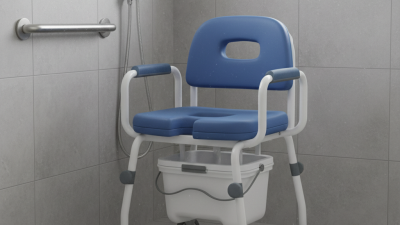
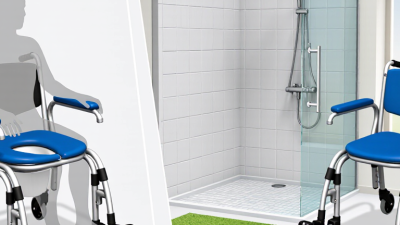
Reclining hygiene chairs need smooth surfaces, drainage space, and adjustable leg support. Check seat width, maximum user weight, cushion compatibility, brake access, and caregiver handling effort.

Small details matter. A heavy frame can slow transfers.

EN 12182 provides general requirements and test methods for assistive products, but it is not a complete clinical approval for every user. Buyers should request relevant test evidence, risk assessments, cleaning instructions, and service records. The standard should support evaluation, not replace professional assessment.

A specification sheet can still mislead. In real facilities, narrow doorways, wet floors, uneven staffing, and repeated daily transfers expose weaknesses quickly. Trial use with clinicians and caregivers remains essential, even when documentation appears complete.