Celebrating 45 Years of clinical innovation, comfort, and caregiver support at Broda.
Explore the Legacy!China Top Geri Chair Manufacturers and Suppliers?
China’s ageing population is creating a clear need for practical, comfortable care equipment. The World Health Organization estimates that one in six people worldwide will be aged 60 or older by 2030. Its ageing data projects that this population will reach 2.1 billion by 2050. In China, the National Bureau of Statistics reported 310.31 million people aged 60 or older at the end of 2024. The need is tangible.
A geri chair can support sitting, reclining, and assisted transfers in hospitals, care homes, and private residences. Yet demographic growth alone does not prove product quality or establish market size. Buyers still need to inspect frame construction, reclining range, motor operation, caster brakes, upholstery, and access to replacement parts. Small details matter. A poorly positioned control or difficult-to-clean seam can complicate everyday care.
This guide to China’s top geri chair manufacturers and suppliers introduces the factors buyers can use to compare providers. It considers product range, manufacturing capabilities, customization, quality documentation, and after-sales support. These points are useful starting checks, not a substitute for an independent factory audit or product testing. Supplier claims deserve careful review, especially when specifications lack test conditions or service commitments. The right choice depends on the user, care setting, and transfer needs; one chair will not suit every situation. WHO ageing projections and China’s official population figures explain the wider demand context, while verified product evidence should guide purchasing decisions.
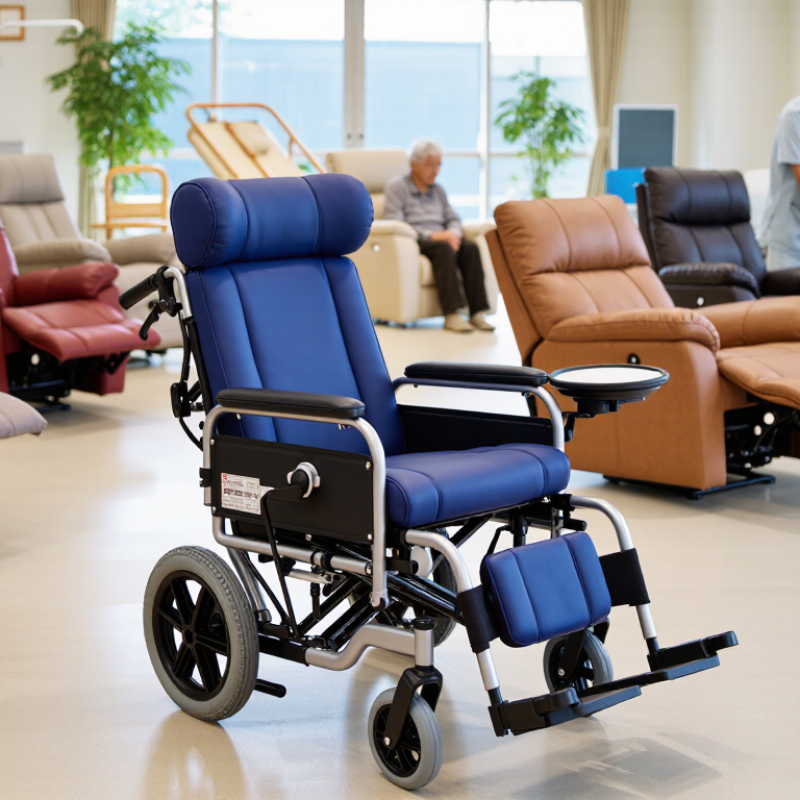
What Is a Geri Chair and How Is It Used?
What Is a Geri Chair and How Is It Used?
A geri chair is a medical recliner designed for older adults and patients needing supported sitting. It usually has a high back, padded armrests, leg elevation, reclining positions, and lockable casters. Unlike a wheelchair, it is mainly used for rest, observation, meals, and short transfers. Its deep seat can support a patient during several hours of supervised care.
The World Health Organization reported that one in six people worldwide will be aged 60 or older by 2030. This demographic shift increases demand for safer seating in hospitals, nursing facilities, and home-care settings. The Centers for Disease Control and Prevention also reports that more than one in four older adults falls each year in the United States. A geri chair may reduce unstable standing, but it cannot remove every fall risk.
Care staff should check posture, cushion condition, brake function, and foot support before use. The chair should fit the user’s height, weight, hip width, and medical needs. A tray can assist meals, while a reclining back may ease fatigue or pressure discomfort. However, restraint-like accessories require careful assessment and documented clinical guidance. Research reports often group geri chairs with broader patient recliners, so market figures are difficult to compare. That limitation deserves attention. A chair alone is not a care plan.
China Top Geri Chair Manufacturers and Suppliers? - What Is a Geri Chair and How Is It Used?
A geri chair is a supportive medical or long-term-care recliner designed for seated comfort and positioning. Features, dimensions, and available positions vary by model; confirm product details with the supplier before purchase.
| Category | Typical configuration or feature | Common use | What to check when sourcing |
|---|---|---|---|
| Standard geri chair | Upright seating with a reclining back; some models include a leg rest and multiple positioning options. | Resting and supported sitting in care facilities, hospitals, or at home. | Verify seat width and depth, weight capacity, upholstery, recline operation, and whether the chair fits the intended user. |
| Trendelenburg-positioning model | Designed to tilt the user and chair into a specified position; availability and operation differ by model. | Care settings where staff require additional positioning options under an appropriate care plan. | Confirm the available positions, adjustment method, safety instructions, and whether clinical staff training is required. |
| High-back supportive model | Higher back support and, depending on the model, additional head, arm, or leg support. | Extended seated periods when a user needs more upper-body support. | Assess support needs with a qualified care professional; check cushion design, posture support, and ease of cleaning. |
| Mobile geri chair | May include casters and locking brakes for movement by a caregiver. | Moving a seated user between appropriate areas within a facility or home. | Check wheel and brake operation, maneuverability, safe transfer procedures, and whether the chair is intended to be occupied while moving. |
| Electric-adjustment model | Uses powered controls for some positioning adjustments; power and control features vary. | Situations where powered adjustment is preferred or manual adjustment is not suitable. | Ask about power requirements, emergency or manual lowering options, control accessibility, maintenance, and electrical safety documentation. |
| Upholstery and cleaning | Cover materials and cleaning instructions vary by product; some are intended for frequent cleaning. | Routine care in environments with regular cleaning and infection-control procedures. | Request the manufacturer’s cleaning instructions and confirm material compatibility with the facility’s approved cleaning products. |
| Safety and user fit | Relevant factors include chair stability, safe entry and exit, accessible controls, and an appropriate fit. | Supporting safe seating and transfers for the specific user. | Review product labeling, weight limits, pinch-point precautions, brake instructions, and user-specific assessment requirements. |
| Manufacturer or supplier due diligence | May include product documentation, quality-management information, customization options, and after-sales support. | Comparing suppliers for institutional or individual purchasing. | Request current specifications, applicable compliance documents, warranty terms, spare-parts availability, lead time, and written service arrangements. Verify claims independently. |
Related Posts
-

China Top 10 Geriatric Chair Suppliers for Global Buyers
-

What is an Air Cushion for Chair and How Does It Work?
-
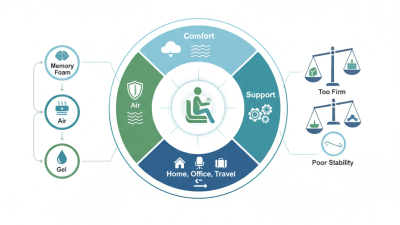
2026 Best Pressure Cushions for Ultimate Comfort and Support?
-
How to Choose the Right ROHO Air Cushion?
-
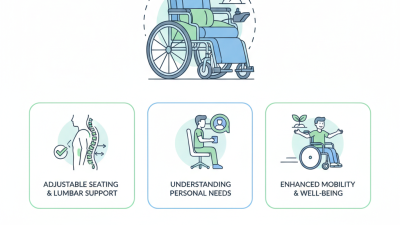
How to Choose Comfortable Wheelchairs for Optimal Mobility and Support?
-
China Top 10 Rolling Shower Chair Commode Suppliers?