What Is the Best Tilt in Space Chair from China?
Choosing the best tilt in space chair from China requires more than comparing prices, motors, or product photographs. The right model must support posture, pressure management, safe transfers, and daily independence. The World Health Organization and UNICEF estimate that more than 2.5 billion people need assistive products worldwide, with this figure expected to exceed 3.5 billion by 2050. Their Global Report on Assistive Technology highlights affordability, fitting, maintenance, and user training as essential factors.
A practical evaluation should examine tilt range, seat width, cushion performance, head support, pelvic positioning, battery access, and after-sales service. A chair may look strong in a showroom but feel unstable on a narrow hospital corridor. That matters. ISO 16840 seating principles and relevant ISO 7176 wheelchair testing provide useful reference points, although certification claims still require verification from manufacturers and independent documents. China offers extensive production capacity, but quality varies between factories and configurations.
Rory Cooper, PhD, a leading wheelchair researcher and rehabilitation engineer, has repeatedly emphasized that wheelchair design should promote independence, not merely transportation. His central message is simple: “A wheelchair is a tool for independence.” That principle should guide every comparison. The best tilt in space chair may not be the lightest or least expensive option. It should deliver consistent positioning, controlled movement, dependable electronics, and responsive technical support. Some supplier claims remain difficult to verify. Buyers should test real samples, request clinical specifications, and consult a qualified seating professional before making a final decision.
What Is a Tilt-in-Space Chair?
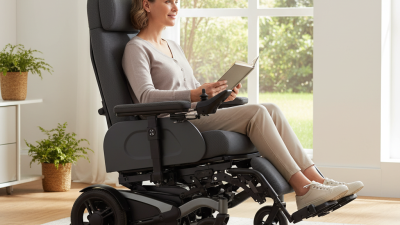
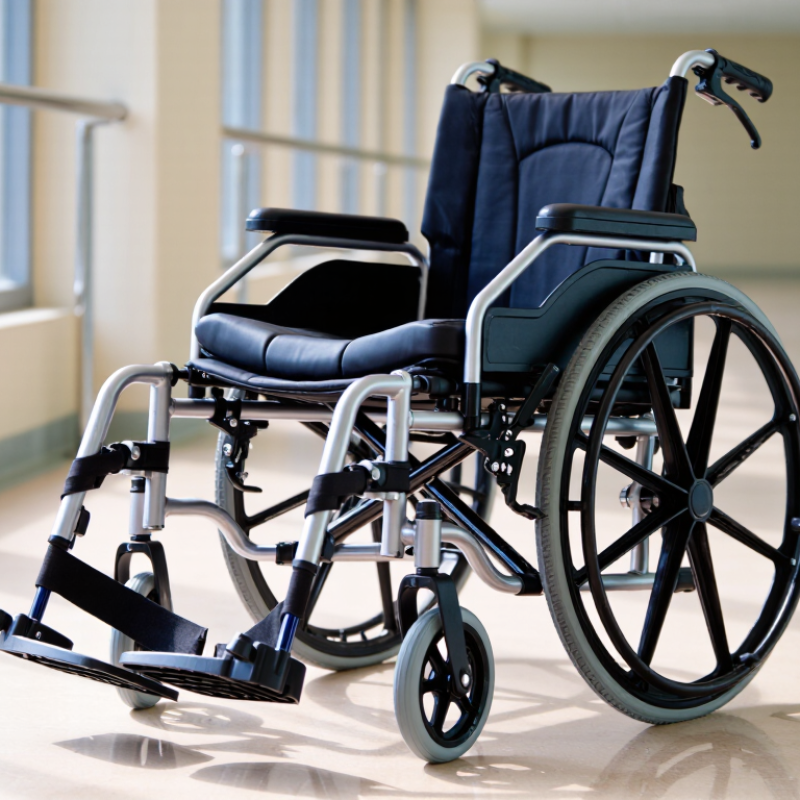
A tilt-in-space chair changes the angle of the entire seat and back together. This keeps the user’s hip position relatively stable while shifting pressure and supporting posture. It is different from ordinary recline. Recline opens the hip angle; tilt mainly rotates the seating system around the user’s center of gravity. This distinction matters for people with poor trunk control, fatigue, or pressure-management needs. The right setting should follow an assessment of pelvic alignment, skin condition, transfers, and daily activities.
The 2022 WHO and UNICEF Global Report on Assistive Technology estimates that more than 2.5 billion people need assistive products worldwide. Nearly 1 billion people cannot access them. These figures show why dependable, adjustable seating matters, especially in value-focused manufacturing markets such as China. However, “best” cannot mean the lowest quotation. A suitable chair needs verified dimensions, stable tilt angles, manageable weight, and clear maintenance instructions. ISO 7176 test references can help buyers review strength, stability, and durability evidence. They do not replace clinical fitting.
When evaluating a Chinese supplier, ask for seat-width tolerances, tested load limits, actuator cycle results, and sample-unit inspection records. Check whether the foot supports, headrest, cushion, and lateral supports match the user’s measurements. A smooth tilt mechanism is useful, but poor pelvic support can still cause sliding. Small details matter. I would question marketing claims that promise pressure relief without clinical evidence. A specification sheet can look convincing and still miss transfer safety, caregiver reach, or cleaning time. Careful trials and therapist input remain essential.
Key Features of Chinese Tilt-in-Space Chairs
What Is the Best Tilt in Space Chair from China?
Chinese tilt-in-space chairs often focus on practical adjustment and durable construction. The best model is not simply the most expensive one. It should match the user’s posture, weight, mobility, and daily care routine. A smooth tilt mechanism helps maintain hip alignment while reducing pressure on the back and pelvis. Caregivers should test the movement slowly. Sudden tilting can cause discomfort or anxiety.
Key Features of Chinese Tilt-in-Space Chairs
A reliable chair usually offers adjustable seat depth, back angle, head support, and leg elevation. These settings help accommodate different body shapes and changing care needs. A supportive headrest should cradle the neck without pushing the head forward. Padded armrests can reduce shoulder strain during longer sitting periods. Pressure-relieving cushions are useful, but cushion thickness alone does not guarantee comfort.
Safety details deserve close attention. Lockable casters, stable wheel spacing, and an effective caregiver brake improve handling on smooth floors. Anti-thrust support can help prevent forward sliding, especially during recline. Breathable upholstery may reduce heat around the hips and back. However, some materials feel firm at first. Fit matters more. Before purchase, an occupational therapist or experienced seating professional should assess posture and transfer needs. A small weakness remains: adjustment systems can become difficult for caregivers with limited hand strength. Product demonstrations should include real users, not only showroom testing.
How to Evaluate Quality, Safety, and Adjustability
What Is the Best Tilt in Space Chair from China?
A quality tilt-in-space chair should move the seat and back together, not simply recline the backrest. During evaluation, check whether the tilt remains smooth at different angles. A sudden stop can shift the user’s weight and cause discomfort. Ask for load-test records, material specifications, and traceable production information. A careful supplier should provide clear answers.
Safety comes before appearance. Inspect the frame welds, wheel locks, anti-tip supports, and footrests closely. Push the chair gently on a level floor. It should not wobble or roll when the brakes are engaged. The cushion should support the pelvis without creating pressure behind the knees. For users with limited trunk control, adjustable lateral supports and a secure pelvic belt may be important. Fit must be assessed by a qualified therapist when possible.
Adjustability decides whether the chair works beyond a showroom test. Check seat width, depth, back height, head support, armrest position, and tilt range. Controls should be reachable and easy to identify. Test them with one hand. Small details matter, such as exposed cables, noisy actuators, or footplates that loosen after repeated use. I would not treat a polished brochure as proof of reliability. One practical weakness remains: some specifications look complete but omit long-term durability data. Request sample testing, inspection reports, and after-sales response times before making a purchase.
What Is the Best Tilt in Space Chair from China? - How to Evaluate Quality, Safety, and Adjustability
Use this 100-point evaluation framework to compare tilt-in-space chairs without relying on brand names. Safety and clinical positioning receive the greatest weight because they directly affect user protection, posture, pressure management, and daily usability.
The percentages represent recommended purchasing priorities, not the performance of any specific manufacturer. Buyers should verify test documentation, maximum user weight, adjustment ranges, materials, braking performance, and after-sales service before making a final decision.
Choosing the Best Chinese Tilt-in-Space Chair for Different Users
What Is the Best Tilt in Space Chair from China?
Choosing the best Chinese tilt-in-space chair depends on the user, not the country of manufacture. The WHO estimates that 1.3 billion people live with significant disability worldwide. The WHO-UNICEF Global Report on Assistive Technology also reports that over 2.5 billion people need assistive products. Access remains uneven.
For older users with weak trunk control, prioritize stable tilt, lateral supports, and a pressure-reducing cushion. For users with limited hip movement, check the combined tilt and recline range carefully. A smooth adjustment matters more than a dramatic angle. For children, growth-adjustable seat depth and replaceable supports are essential. Caregivers need manageable weight, reliable brakes, and simple cleaning surfaces.
Check measurements against ISO 16840-1 guidance on wheelchair seating and postural support. Measure the user’s hip width, thigh length, trunk height, and foot position before ordering. A wider cushion may feel safer, but it can reduce pelvic stability. I have found this detail easy to overlook. Ask for adjustment instructions, load testing information, spare-part availability, and service response times. Product photographs are not enough. A chair can look excellent online and still fail during a narrow doorway transfer. Evaluation by a qualified seating professional remains the safest choice.