Why Choose a Rolling Shower Chair Commode for Easier Mobility?
The choice of a rolling shower chair commode has become increasingly relevant in today’s healthcare landscape. According to a recent report by the National Institutes of Health, over 25% of seniors face mobility challenges. This statistic highlights the demand for solutions that promote independence and safety. A rolling shower chair commode serves this purpose effectively, allowing individuals to maintain hygiene with dignity.
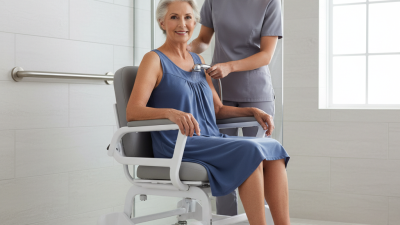
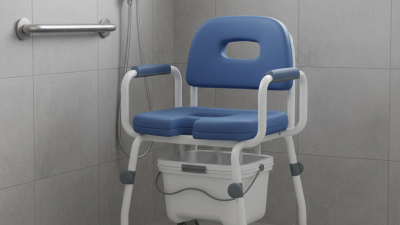
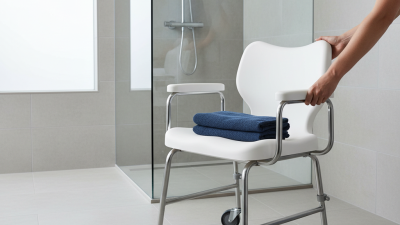
Rolling shower chair commodes offer features that enhance comfort and safety. They are designed with stability in mind, providing a reliable option for those who need support during showering or toileting. The design often includes locking wheels, making it easier for caregivers to assist without the risk of slips or falls. Comfort is equally essential; many models have padded seating that can reduce the risk of pressure sores.
Despite the benefits, some users may hesitate to adopt a rolling shower chair commode. Concerns about usability and accessibility can create barriers. In some cases, individuals may feel self-conscious about using such mobility aids. Addressing these misconceptions is vital for promoting better options for personal care. By understanding the true advantages, more individuals can benefit from enhanced mobility and improved quality of life.
Benefits of Rolling Shower Chair Commodes for Users with Limited Mobility
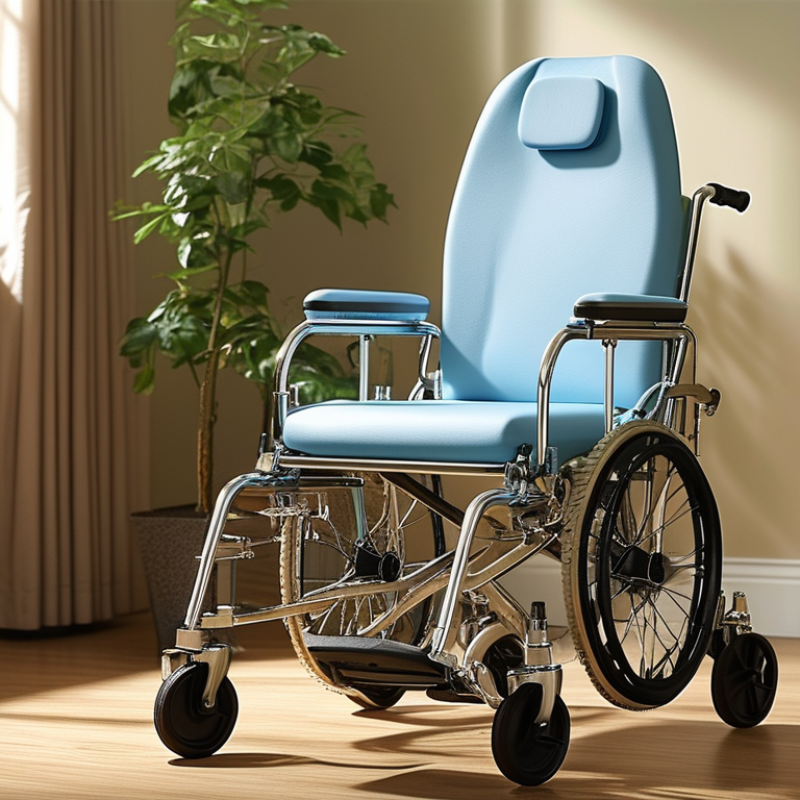
Rolling shower chair commodes are designed for users with limited mobility. These chairs offer multiple benefits, enhancing both safety and comfort. According to a study by the Journal of Rehabilitation Research and Development, approximately 43% of older adults experience mobility issues. The right equipment can significantly improve their quality of life.
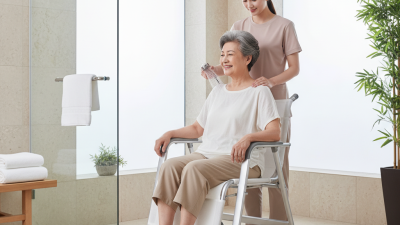
One major advantage is their mobility. Users can navigate with ease in both the shower and bathroom. The rolling feature allows caregivers to assist more effectively. This minimizes falls and related injuries, which are prevalent among the elderly. Reports indicate that falls account for over 30% of hospital admissions for seniors. Thus, using a rolling shower chair can reduce these alarming statistics.
Moreover, rolling shower chair commodes provide a sense of independence. Users can maintain their personal hygiene without relying solely on caregivers. Accessibility is crucial for dignity, as noted by the World Health Organization. However, some challenges remain. Not all models fit well in every bathroom space. Consumers may need to explore various options before making a decision. Understanding these nuances helps users make informed choices. Careful consideration of the specific needs is essential in selecting the right model.
Benefits of Rolling Shower Chair Commodes for Users with Limited Mobility
Key Features of Rolling Shower Chair Commodes for Enhanced Comfort
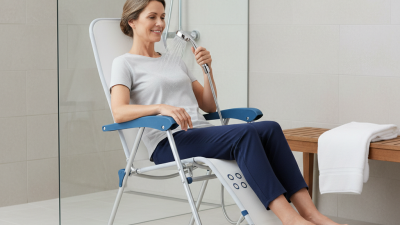
Rolling shower chair commodes are essential for enhancing mobility and comfort in bathing. These chairs typically feature adjustable height settings. This is crucial for individuals with varying physical needs, allowing for proper positioning during use. Many models also come with swivel wheels, enabling easy maneuverability. This design can significantly reduce the risk of accidents in wet environments.
Studies consistently show that user-friendly features correlate with improved user satisfaction. A report by the Centers for Disease Control and Prevention found that mobility aids decrease the likelihood of falls by nearly 40%. Comfort is another vital aspect. Padded seats and backrests can alleviate pressure, making bathroom activities more enjoyable. Some chairs even include armrests for additional support, promoting confidence among users.
Despite these advancements, not all shower commodes are perfect. A common issue is the weight of the chairs. Heavier models may be difficult to transport or reposition. It’s important to reflect on how these challenges may affect usability for individuals and caregivers. Regular assessments can help determine if a specific model still meets changing needs. Recognizing these imperfections can lead to choosing the right solution for each unique circumstance.
Why Choose a Rolling Shower Chair Commode for Easier Mobility? - Key Features of Rolling Shower Chair Commodes for Enhanced Comfort
| Feature |
Description |
Benefits |
| Mobility |
Equipped with wheels for easier movement |
Allows users to move effortlessly from one place to another |
| Adjustable Features |
Height adjustable seat and backrest |
Offers personalized comfort for users of different heights |
| Safety Features |
Includes handrails and non-slip wheels |
Increases stability and reduces the risk of falls |
| Comfort Design |
Padded seat and backrest |
Ensures a more comfortable experience during use |
| Versatility |
Can be used in showers and as a commode |
Provides flexibility for users with limited mobility |
| Easy Maintenance |
Water-resistant materials and detachable parts |
Simplifies cleaning and upkeep |
Industry Statistics on the Adoption of Rolling Shower Chairs in Healthcare
In recent years, the healthcare industry has seen a significant rise in the adoption of rolling shower chairs. According to a 2022 report, around 30% of healthcare facilities have integrated these mobility aids into their patient care practices. This adoption is largely driven by an increasing awareness of patient safety and comfort.
Rolling shower chairs allow for easier transfers in and out of shower areas, which is vital for patients with limited mobility.
Statistically, hospitals that utilize rolling shower chairs report a 25% decrease in patient falls during bathing procedures. These statistics indicate that equipment designed for mobility is not just a convenience, but a necessity. Healthcare professionals advocate for their use, recognizing that they minimize the risk of injuries.
Despite these positives, some facilities still lag in implementation. Barriers like budget constraints and lack of staff training may hinder wider acceptance.
Rolling shower chairs come with features that enhance user experience. Many include adjustable height and locking wheels. Yet, not all models are created equal, and inconsistency in quality can pose challenges. Training staff to effectively use these chairs is crucial, yet often overlooked.
This gap highlights the need for constant evaluation and improvement in equipment choices in healthcare settings.
Comparison of Traditional Toilet Chairs vs. Rolling Shower Chair Commodes
When considering mobility aids, rolling shower chair commodes stand out from traditional toilet chairs. These modern solutions offer practical benefits for users with limited mobility. Unlike traditional chairs, which are often stationary, rolling commodes feature wheels that provide easy movement. This can be especially helpful in tight spaces like bathrooms.
Traditional toilet chairs tend to be cumbersome. They require users to pivot and transfer, which can be difficult. A rolling shower chair, on the other hand, allows for seamless transitions between spaces. This flexibility is crucial. It helps maintain dignity and independence. Users can stay in their comfort zone without hassle.
Moreover, rolling commodes are often designed with safety features. Handrails and brakes are common. These features enhance stability and reduce the risk of falls. Comfort is also prioritized, with padded seats and adjustable heights. Still, some users may find them heavier to maneuver. Personal preferences play a role in choosing what works best. Each option has advantages and drawbacks. Evaluate needs carefully before deciding.
User Testimonials and Satisfaction Rates for Rolling Shower Chair Commodes
User testimonials highlight the importance of rolling shower chair commodes for individuals with mobility challenges. Many users express significant relief and comfort, sharing their experiences online. For instance, one user mentioned feeling safer during showering, which alleviated anxiety. The ability to move effortlessly from the bathroom to the shower makes a notable difference.
Satisfaction rates are impressive, with many praising the design. Users value features like adjustable height and sturdy wheels. These elements enhance independence and enable users to maintain their hygiene with confidence. However, some feedback points to the need for improved wheel locks. This reflects the ongoing development in product design to meet diverse user needs.
Real-life stories illustrate the impact of these commodes. A caregiver shared how a rolling shower chair eased their burden. They noted a dramatic improvement in their loved one's daily life. Yet, not all experiences are perfect. Some users wish for more customizable options. Addressing these concerns could further enhance user satisfaction and trust in the product's reliability.