How to Choose the Best Reclining Shower Chair for Your Needs?
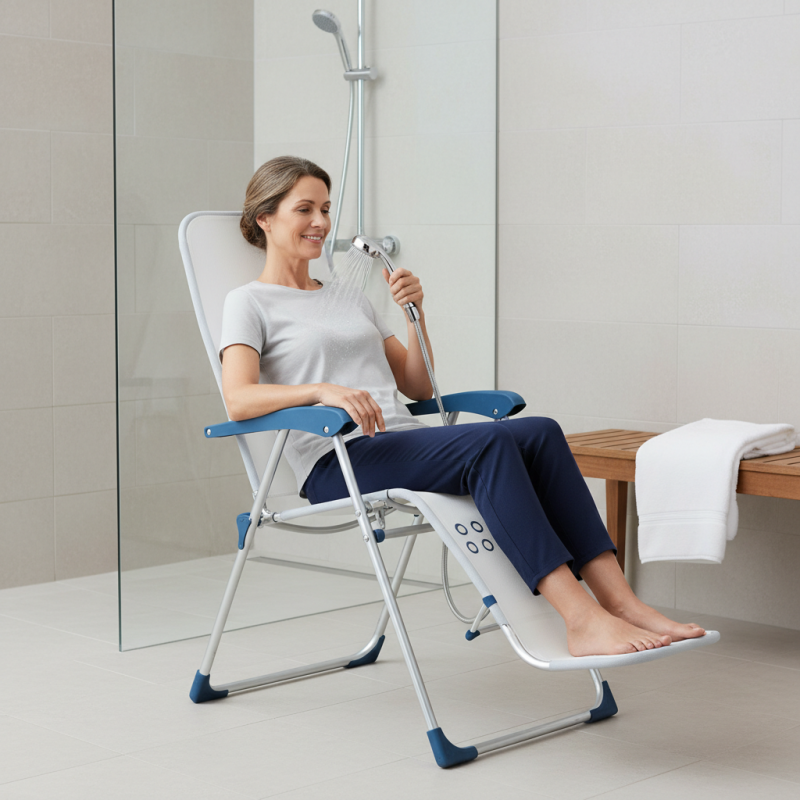
Choosing the right reclining shower chair is crucial for safety and comfort. Many people underestimate its importance. A well-designed reclining shower chair can provide support and stability during bathing. It's especially valuable for individuals with mobility issues or recovering from surgery.
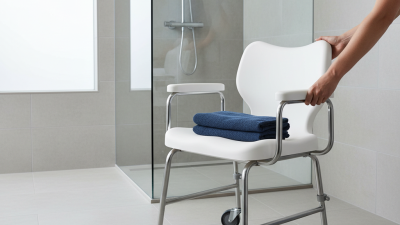
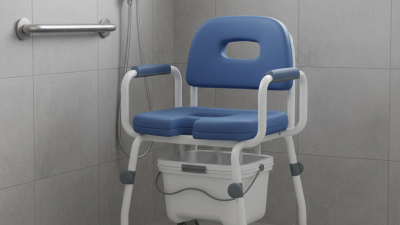
When selecting a reclining shower chair, consider features like adjustability and material. Look for a chair that fits your bathroom space and needs. Some models may offer extra features, like drainage holes or slip-resistant feet. While it's tempting to go for the lowest price, remember that durability matters too.
Personal experiences can guide your choice. Not every chair suits every need. Test the chair if possible. Reflect on how it meets your requirements. Finding the right reclining shower chair may seem daunting, but it truly enhances daily life.
Choosing the Right Reclining Shower Chair: Essential Factors to Consider
Choosing the right reclining shower chair is crucial for safety and comfort. It is essential to consider the user's specific needs. Think about mobility levels. Some users may need extra support, while others may require more independence. Analyze the bathroom space as well. A chair that fits well in your shower stall is a must.
Material and weight capacity matter too. Look for chairs made from durable, water-resistant materials. Always check the weight limit to ensure it can support the user safely. Adjustable features can provide added comfort but may also complicate the design. Simple might be better for some users.
Ease of cleaning is another factor. Chairs can accumulate soap scum and mildew. Choose designs that are easy to wipe down or machine washable. Don't overlook personal preferences, either. Aesthetics can play a role in user happiness. The chair must feel safe, but it should also be visually appealing. Identifying these factors can help make the right choice.
Understanding Weight Capacity and Stability in Shower Chairs
Choosing the right reclining shower chair involves understanding weight capacity and stability. A significant proportion of accidents in the bathroom occur due to instability in seating. According to a report by the National Institute on Aging, approximately 25% of older adults experience falls each year. A reliable shower chair should support a weight capacity that suits the user. Typically, chairs range from 250 to 500 pounds.
Stability is equally essential. Look for chairs with a wide base and rubberized feet. The Center for Disease Control (CDC) emphasizes that a stable surface reduces the risk of slips. Many shower chairs may not provide adequate support, especially if users exceed the recommended weight limit. This can lead to accidents and injuries, highlighting the importance of choosing wisely.
It’s crucial to consider the individual needs of the user. Some chairs may seem sturdy but might not be suitable for those with mobility issues. Regularly inspecting your chair for wear and tear is essential. A chair that feels stable one day may not be reliable after months of use. Ensuring the right fit for safety and comfort demands ongoing reflection and assessment.
Comparing Different Materials for Durability and Comfort
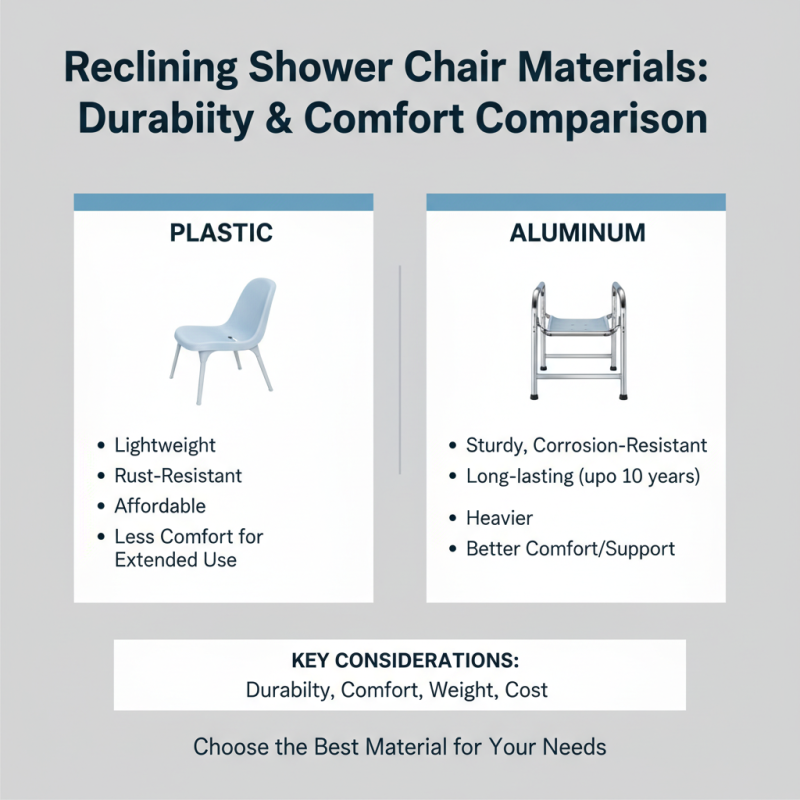
When selecting a reclining shower chair, material choice is paramount. Different materials offer varying levels of durability and comfort. For example, plastic is lightweight and rust-resistant. However, it may not provide the best comfort for extended use. In contrast, aluminum frames are sturdy and corrosion-resistant. They are often heavier, but their longevity is impressive. Research suggests that aluminum shower chairs can last up to 10 years with proper care.
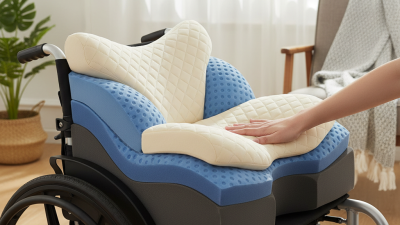
Comfort should also be a critical factor. Foam and padded seats increase user comfort significantly. A report from the American Physical Therapy Association indicates that users feel 40% more comfortable with padded options. However, it can be challenging to maintain cleanliness with soft materials. Waterproof fabric covers may help mitigate this issue, but they can wear out faster than solid materials.
Weight limits are another consideration. Most reclining shower chairs have a 250 to 300-pound weight capacity. Users should consider their unique requirements when choosing a chair. Inadequate support may lead to accidents. Studies reveal that nearly 30% of falls occur in the bathroom. Finding a balance between comfort, durability, and safety is essential for a satisfying experience.
Evaluating Adjustable Features for Customized Support
When selecting a reclining shower chair, adjustable features are crucial. Customization allows individuals to find the perfect fit and support. Look for models that offer height and backrest adjustments. This flexibility ensures comfort during every bath or shower. A well-adjusted chair can improve safety and make the experience more enjoyable.
Tips: Always check weight capacity. Not all chairs support the same amount. If you are uncertain about the fit, try several options. Comfort should never be compromised for style.
Many users struggle with finding the right angle for reclining. It's important to test different positions. Sometimes, the chair may feel comfortable initially but becomes less so over time. Don’t hesitate to change settings as needed for maximum support.
Exploring Additional Safety Features in Shower Chairs
When selecting a reclining shower chair, safety features play a crucial role. Many seniors and individuals with mobility challenges benefit from stability and support. According to the Occupational Safety and Health Administration (OSHA), slip and fall incidents are a leading cause of injuries among older adults in bathrooms. Thus, choosing a chair with anti-slip legs and a wide base is essential. These features help ensure a secure footing, reducing the risk of accidents.
Another critical aspect is the presence of adjustable backrests. These can enhance comfort during use, catering to individual needs. A study published by the Journal of Aging & Physical Activity indicates that support in the shower enhances independent living. Some designs also incorporate safety belts and side handles. While these features may seem excessive to some, they can provide necessary reassurance to users and caregivers alike.
Ventilation is often overlooked. A chair with proper drainage reduces water accumulation, preventing slippery surfaces. However, not all products prioritize ventilation. Users should assess their options carefully. It's essential to reflect on both safety and comfort features to ensure that the chosen chair meets unique requirements. Balancing these elements promotes a safer bathing experience and supports overall well-being.