Celebrating 45 Years of clinical innovation, comfort, and caregiver support at Broda.
Explore the Legacy!Why Are Pressure Cushions Important for Elderly People?
Ageing skin can become thinner, drier, and less able to recover from pressure. Reduced movement adds risk. A long afternoon in a wheelchair may leave the hips, tailbone, or heels under constant load. At first, the skin may look only slightly red. Later, damage can develop beneath the surface.
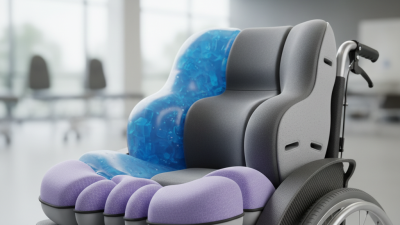
Pressure cushions for elderly users help distribute body weight across a broader area. They can reduce concentrated pressure around bony points. Some models use memory foam, gel, air cells, or layered materials. The right choice depends on posture, mobility, body shape, moisture, and existing health conditions.
Professor Amit Gefen, a recognised biomedical engineer and pressure-ulcer researcher, has stressed a practical principle: “Pressure ulcers are a serious clinical problem, and prevention is better than cure.” A cushion supports that prevention. It does not replace movement.
That matters.
A caregiver should check the cushion’s condition, position, and inflation regularly. A person who slides forward may lose the intended pressure relief. A cushion that feels soft may still provide poor support. Comfort alone is not proof of protection.
Clinical assessment remains essential, especially after redness lasts beyond normal recovery. Small details matter: a warm seat, damp clothing, a tilted pelvis, or hours without repositioning. No product works perfectly for everyone. That is the uncomfortable truth.
Used with repositioning, skin checks, suitable seating, and professional advice, pressure cushions for elderly people can improve comfort and reduce avoidable pressure exposure. Their value comes from correct selection and daily use, not attractive claims alone.
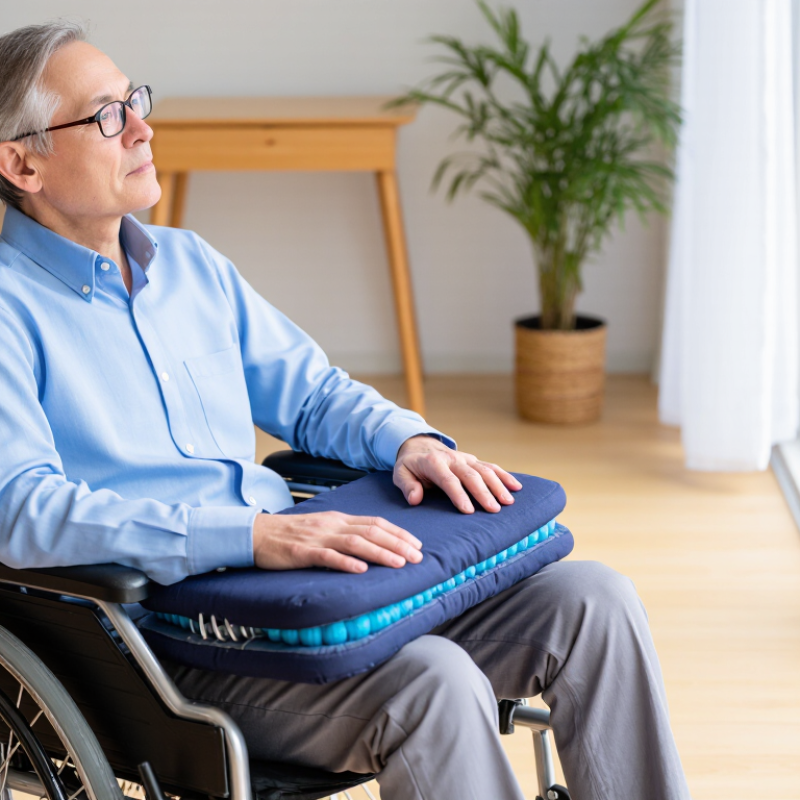
Pressure cushions are supportive seating surfaces designed to reduce prolonged pressure on vulnerable areas, especially the hips, tailbone, and thighs. They usually contain shaped foam, gel, air cells, or layered materials. Each material behaves differently. Foam spreads body weight gradually. Gel adapts around bony areas. Air systems can adjust pressure more precisely.
The cushion works through immersion and envelopment. Immersion lets the body sink slightly into the surface. Envelopment allows the material to support the body around its curves. This spreads pressure across a wider area instead of concentrating it on one spot. A suitable cushion may also improve posture and reduce sliding, which can create damaging shear. However, it is not a complete solution. Poor positioning, moisture, limited movement, and an unsuitable wheelchair can still cause skin problems. Caregivers should check the skin regularly and seek professional advice when redness does not fade.
Tips: Choose the correct size and firmness. Keep the cushion flat and secure. Check skin after sitting. Encourage safe position changes. Follow the manufacturer’s care instructions. A cushion may feel comfortable while still offering poor support, so comfort alone should not guide every decision. A trained healthcare professional can assess individual risks, posture, mobility, and daily seating time.
Pressure cushions matter because ageing skin cannot always tolerate prolonged loading. Older adults often have thinner skin, less muscle, and reduced fat over the hips, heels, and tailbone. Blood circulation may also decline with diabetes, vascular disease, or limited movement. A firm chair can press the same small area for hours. That pressure reduces oxygen reaching tissue before pain appears.
Reduced sensation makes the risk harder to notice. Some older people cannot feel discomfort because of nerve changes, stroke, or cognitive impairment. Weakness may prevent them from shifting position independently. Moisture from incontinence, perspiration, or a wound can soften skin and increase friction. A cushion helps distribute weight, but it cannot replace regular repositioning, skin checks, or suitable support for the bed and feet. Small details matter. Check for redness that does not fade after pressure is removed. Look for warmth, swelling, broken skin, or darker patches.
In daily care, observe how the person sits. Do they slide forward, lean sideways, or remain still during meals? These signs may show poor fit or fatigue. A healthcare professional should assess high-risk individuals and recommend a pressure-redistributing cushion based on posture, mobility, and skin condition. Clean, dry covers also matter. I have seen caregivers focus on the cushion while missing a sharp seam or a footrest pressing behind the calf. Care plans need review, because yesterday’s solution may not fit today’s changing strength, weight, or movement.
| Risk Dimension | What Changes With Age | Pressure Injury Risk | How a Pressure Cushion Helps | Recommended Preventive Action |
|---|---|---|---|---|
| Reduced Mobility | Older adults may spend longer periods sitting or lying because of frailty, arthritis, stroke, injury, or reduced muscle strength. | High Prolonged pressure can restrict blood flow over the hips, buttocks, and other bony areas. |
Distributes body weight across a wider area and reduces concentrated pressure on vulnerable tissues. | Change position regularly, encourage safe movement, and avoid prolonged uninterrupted sitting. |
| Thinner, Less Elastic Skin | Ageing skin generally becomes thinner, drier, and less resilient, while the underlying tissue may provide less protection over bones. | High Skin and soft tissue may be damaged more easily by pressure, friction, and shear. |
Provides a softer support surface that can reduce localized loading and friction during normal movement. | Inspect the skin daily, keep it moisturized, and use gentle handling during transfers. |
| Reduced Sensation | Neuropathy, dementia, stroke, or other neurological conditions may reduce the ability to feel discomfort or recognize the need to move. | High A person may remain in one position even when tissue pressure is becoming harmful. |
Helps moderate pressure while providing additional support for people who cannot reliably respond to discomfort. | Use scheduled repositioning and regular caregiver checks rather than relying only on the person’s feedback. |
| Moisture and Incontinence | Urinary or fecal incontinence can expose the skin to moisture and irritants, especially when mobility is limited. | High Moisture weakens the skin barrier and increases susceptibility to friction and breakdown. |
Some pressure cushions are designed with breathable, moisture-managing covers that help maintain a drier sitting surface. | Clean and dry the skin promptly, use suitable barrier products, and choose a washable, breathable cover. |
| Poor Circulation | Diabetes, peripheral vascular disease, heart disease, and limited movement can reduce tissue oxygenation and circulation. | High Damaged tissue may heal more slowly when blood supply is impaired. |
Reduces excessive pressure on tissue and may help limit the circulatory effects of prolonged sitting. | Arrange clinical assessment for people with vascular disease or diabetes and avoid cushions that create unstable pressure points. |
| Nutrition and Hydration | Older adults may experience reduced appetite, difficulty eating, dehydration, or insufficient protein and calorie intake. | Moderate to High Poor nutrition can weaken skin and muscle and delay wound healing. |
Provides preventive support but cannot correct nutritional causes of tissue vulnerability. | Monitor food and fluid intake and request professional nutritional advice when risk or weight loss is present. |
| Body Shape and Bony Prominence | Loss of muscle and subcutaneous fat can make areas such as the sacrum, tailbone, hips, and sitting bones more prominent. | High Pressure becomes concentrated over smaller contact areas. |
Contours to the body and improves weight distribution when correctly sized and positioned. | Select a cushion appropriate for body size, posture, and the person’s level of mobility; check fit regularly. |
| Posture and Shear | Sliding forward in a chair or sitting with poor pelvic alignment can create shear between the skin and deeper tissues. | High Shear can damage tissue even when the skin surface appears intact. |
Supports pelvic alignment and may reduce sliding when combined with appropriate seating and positioning. | Keep feet supported, maintain a stable sitting posture, and avoid dragging a person across a chair or bed. |
| Previous Pressure Injury | Previously injured tissue may remain more vulnerable, particularly if the underlying cause has not been corrected. | High Recurrence is more likely without pressure relief and ongoing monitoring. |
Provides an additional pressure-management layer for high-risk seating situations. | Follow an individualized care plan and seek professional advice for any persistent redness, discoloration, pain, blistering, or open area. |
| Overall Preventive Value | Age-related risk factors often occur together, making pressure injuries more likely in older adults with limited mobility or illness. | Supportive Measure A cushion reduces risk but does not eliminate it. |
Combines pressure redistribution, improved comfort, and better sitting support when used correctly. | Use the cushion as part of a complete plan that includes repositioning, skin inspection, moisture management, nutrition, and clinical review. |
Why Are Pressure Cushions Important for Elderly People?
Pressure cushions can reduce prolonged loading around the pelvis, hips, and tailbone. This matters because ageing skin is often thinner, drier, and slower to recover after minor damage. The Agency for Healthcare Research and Quality reports that more than 2.5 million hospital patients develop pressure injuries annually in the United States. A suitable cushion may improve weight distribution during meals, television, or wheelchair use. Small comfort changes can matter.
The International Guideline for pressure injury prevention recommends individualized support surfaces and regular pressure relief. A cushion should match the person’s posture, mobility, body shape, and chair. It should not force the pelvis forward or create hard edges behind the knees. Check the skin after sitting, especially near the sacrum and hips. Redness that does not fade needs professional assessment.
Pressure cushions are not magic.
In my experience, users often focus on softness. Excessive softness can increase instability and make transfers harder. The cushion also cannot replace repositioning, movement, nutrition, or moisture management. NHS guidance advises regular repositioning for people at risk, based on their clinical condition and skin response. Caregivers should record discomfort, sitting time, and visible skin changes. That practical record can reveal problems that comfort alone hides.
Key health benefits include reducing prolonged pressure during sitting and supporting regular pressure relief routines.
Typical clinical guidance recommends wheelchair users perform pressure relief about every 15–30 minutes, while high-risk bed-bound individuals may require repositioning about every 2 hours. A pressure cushion can help distribute load and improve comfort, but it should complement—not replace—individualized repositioning, skin checks, and professional care.
Reference basis: common pressure-injury prevention guidance from NHS and international pressure-injury clinical practice recommendations. Exact intervals should be determined by a healthcare professional.
Why Are Pressure Cushions Important for Elderly People?
Pressure cushions help reduce concentrated force beneath the hips, tailbone, and thighs. They also improve comfort during long sitting periods. In practical care, cushion choice often depends on mobility, skin condition, posture, and daily routine. A cushion should support safe movement, not simply feel soft.
Foam cushions are lightweight and stable. They suit older adults who sit in dining chairs, armchairs, or wheelchairs for moderate periods. Memory foam can spread pressure, but it may retain heat. Gel cushions provide a cooler, more flexible surface. They can help people who experience discomfort around the pelvis. However, gel can shift if the cover is loose. This detail is easy to overlook.
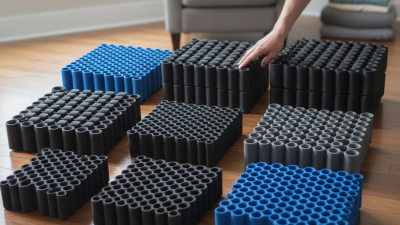
Air cushions use adjustable air cells to distribute pressure. They may suit wheelchair users with limited movement or a higher risk of skin damage. Their pressure settings need regular checking. Too much air can reduce stability, while too little may allow contact with the seat base. Alternating-air designs can change support areas over time, but they may feel unfamiliar and require careful maintenance. Coccyx cushions, often shaped with a rear opening, can relieve pressure near the tailbone. They are useful after certain injuries, although the opening may not fit every posture.
A healthcare professional should assess persistent pain, redness, numbness, or skin changes. Redness that does not fade needs prompt attention. Cushion height also matters because it can affect foot support and transfer safety. No cushion solves every problem. Fit, inspection, and regular repositioning still matter.
Pressure cushions matter because prolonged sitting can restrict blood flow around the hips, tailbone, and thighs. Older adults face higher risks from fragile skin, limited movement, and reduced sensation.
The World Health Organization reports that falls cause about 684,000 deaths worldwide each year, with adults over 60 experiencing the greatest fatal-fall risk.
A cushion cannot prevent every fall or pressure injury. That assumption needs correcting.
AHRQ has also cited approximately 2.5 million hospital patients developing pressure ulcers annually in the United States. Prevention requires more than softness.
Choose a cushion that matches the person’s body size, sitting position, mobility, and medical needs. Look for pressure redistribution, stable support, a washable breathable cover, and a non-slip base.
Avoid donut-shaped designs, which may increase pressure around vulnerable tissue. The user’s hips should stay centered, with both feet supported. Never place the cushion on a tilted or unstable chair.
Check the skin daily, especially over the tailbone and sitting bones. Redness that does not fade within 30 minutes needs professional attention.
Repositioning remains important; NICE guidance recommends regular movement, with intervals based on individual risk. Follow the cushion’s cleaning instructions, and replace compressed or damaged materials.
People with existing wounds, poor circulation, diabetes, or reduced sensation should seek assessment from a clinician or seating specialist before use. A soft cushion may feel comfortable yet provide inadequate protection. Comfort alone is not proof of safety.