Celebrating 45 Years of clinical innovation, comfort, and caregiver support at Broda.
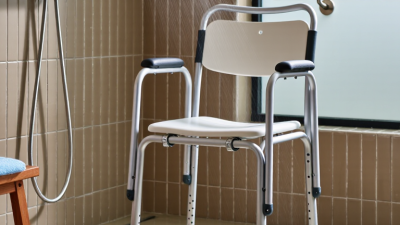
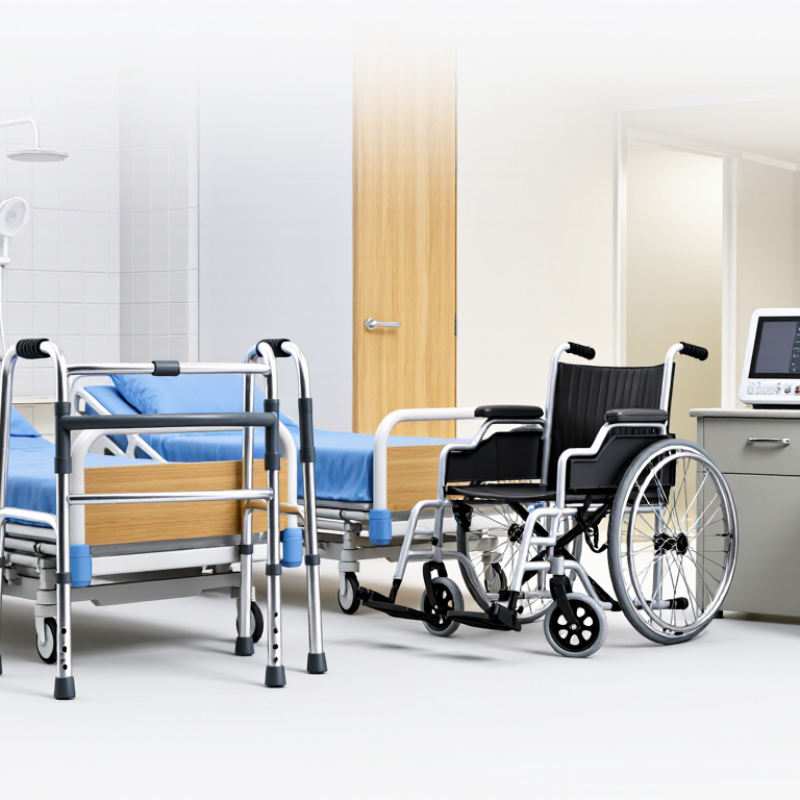
Explore the Legacy!Durable medical equipment can make everyday tasks safer and more manageable at home. A walker beside the bed, a shower chair in a tiled bathroom, or a breathing device near a bedside table can support daily routines. The category is broad, so “top” does not always mean most important. Needs differ with a person’s condition, living space, mobility, and care plan. That is worth remembering.
This guide introduces common types of dme medical equipment, including mobility aids, hospital beds, wheelchairs, oxygen equipment, and devices used to monitor or manage health conditions. It explains what each category is generally designed to do and what practical details may matter, such as fit, storage, setup, and user training. A wheelchair that clears a hallway easily may still be difficult to lift into a car. Small details count.
Equipment should be selected with input from an appropriate healthcare professional, especially when it affects breathing, transfers, or fall risk. A qualified supplier can also explain setup, maintenance, and safe operation. Coverage and eligibility vary by plan and location, so readers should confirm details with their provider or insurer. This overview is a starting point, not a substitute for individual advice. Some choices remain imperfect; the right equipment should fit the person, not just the list.
Medicare uses four core conditions to define durable medical equipment (DME). Under the CMS Medicare Benefit Policy Manual, an item must withstand repeated use, serve a primarily medical purpose, generally be unsuitable for someone without an illness or injury, and be appropriate for use in the home. A wheelchair, for example, may meet these basic tests when a person’s condition limits safe movement around the house. The details matter.
Meeting all four conditions does not guarantee payment. Medicare also considers whether the equipment is medically necessary, whether a qualified practitioner orders it when required, and whether the supplier meets program rules. A device used mainly outside the home may need closer review. That part can feel less clear.
MedPAC’s March 2024 Report to Congress places Medicare fee-for-service spending on DMEPOS at roughly $8 billion in 2022. DMEPOS includes more than DME, so the figure should not be read as DME spending alone. Before ordering equipment, patients can ask their clinician and supplier to confirm coverage requirements for the specific item.
Mobility aids are a major category of durable medical equipment (DME), supporting people who have difficulty walking or standing. The CDC reports that 13.7% of U.S. adults have a mobility disability. That figure represents many different needs, from balance problems to limited endurance; it does not point to one ideal device.
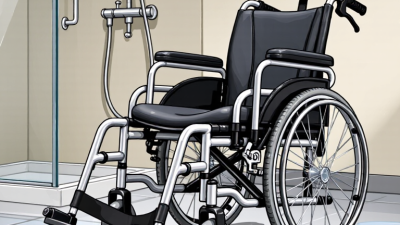
Canes may offer light support, while walkers provide a broader base for balance. Manual wheelchairs and power mobility devices can help people travel farther when walking is difficult. The right choice depends on strength, coordination, home layout, and daily routines. Small details matter. A walker that is too tall can strain the shoulders, while wheels may catch on a thick rug or doorway threshold. A healthcare professional or physical therapist can assess fit and teach safe use. Caregivers can also help check that pathways are clear and frequently used items remain within reach.
A mobility aid may increase independence, but it cannot remove every obstacle. That distinction is easy to overlook. Someone may still need help on stairs, in a crowded bathroom, or during a sudden change in symptoms. Needs can also shift over time, so a device that worked last year may feel less secure today. Regular reassessment is practical, not a sign of failure.
| Equipment Type | Common Examples | Typical Purpose | Practical Consideration | Verified Information |
|---|---|---|---|---|
| Canes | Single-point and four-point canes | Provide a hand-held support point while walking. | The handle and height should suit the user; a clinician can advise on fit and safe use. | Canes are a common mobility aid; Medicare lists canes among examples of DME. |
| Crutches | Underarm and forearm crutches | Assist walking and may help reduce weight placed on a leg, when directed. | Correct fitting and instruction matter for balance and safe use. | The appropriate device depends on the person’s mobility and medical needs. |
| Walkers | Standard, two-wheel, and four-wheel walkers | Provide support during walking; some designs include wheels and a seat. | Different designs offer different levels of support and maneuverability. | Walkers are listed by Medicare as an example of DME. |
| Manual wheelchairs | Self-propelled and attendant-propelled wheelchairs | Support mobility for people who cannot walk safely or effectively for some or all activities. | Fit, seating, environment, and whether the user or a helper will propel it are important considerations. | Wheelchairs are among the DME examples listed by Medicare. |
| Powered mobility devices | Power wheelchairs and scooters | Provide powered mobility for eligible users with mobility limitations. | A power wheelchair and a scooter are different devices; assessment, fit, and safe operation should be considered. | Medicare describes coverage rules for power wheelchairs and scooters; coverage depends on requirements being met. |
| Hospital beds | Adjustable home hospital beds | Allow bed-position adjustments for people who meet medical criteria. | The required features and home setup depend on the person’s needs. | Hospital beds are listed by Medicare as an example of DME. |
| Oxygen equipment | Home oxygen equipment and related supplies | Provides prescribed oxygen therapy. | Use should follow the prescribing clinician’s instructions. | Oxygen equipment is included among Medicare’s DME examples. |
| Continuous positive airway pressure (CPAP) equipment | CPAP machine and related supplies | Supports prescribed treatment for obstructive sleep apnea. | Equipment and supplies should be used as prescribed and maintained according to instructions. | Medicare identifies CPAP devices as covered equipment for eligible patients who meet coverage requirements. |
Mobility disability context: The CDC reported that 13.7% of U.S. adults had a mobility disability, based on 2016 Behavioral Risk Factor Surveillance System data.
Sources: CDC, Disability Prevalence and Health Care Access Among Adults, 2016; Medicare, Durable Medical Equipment (DME) Coverage.
Equipment examples are not a ranked list. Medical suitability and insurance coverage depend on individual needs and applicable requirements.
Respiratory equipment is an important type of durable medical equipment (DME) for people living with chronic obstructive pulmonary disease (COPD). The CDC reports that over 16 million Americans have COPD. Breathing can feel especially difficult during activity or a flare-up. The right equipment depends on a person’s symptoms, test results, and care plan.
Supplemental oxygen equipment, such as a stationary concentrator or portable system, may be prescribed when blood oxygen levels are too low. It is not needed by everyone with COPD. A clinician should assess oxygen needs and explain how to use equipment safely, including during sleep or travel. Small details matter, like keeping tubing clear of walkways.
Nebulizers turn liquid medicine into a mist that can be inhaled through a mouthpiece or mask. Some people find this easier than using an inhaler, though setup and cleaning take time. That part is easy to underestimate. A respiratory therapist or clinician can demonstrate proper use and help check whether the device suits the person’s treatment plan. Equipment supports care; it does not replace regular medical follow-up.
The CDC’s National Diabetes Statistics Report, 2024, estimates that 38.4 million Americans had diabetes in 2021. That is 11.6% of the population. Diabetes-related durable medical equipment can support daily glucose checks, insulin delivery, and foot protection. The right equipment depends on treatment plans and individual needs.
Common examples include blood glucose meters, test strips, continuous glucose monitors, insulin pumps, and therapeutic shoes. The American Diabetes Association’s Standards of Care recognize glucose-monitoring technology as an important part of diabetes management, particularly for people using insulin.
A meter means a small device, a strip, and a finger prick at the kitchen table. A continuous monitor instead uses a sensor worn on the body; its readings and features vary by model. Helpful, but not magic.
Medicare coverage rules also identify certain diabetes supplies, insulin pumps, and therapeutic shoes as potentially covered equipment when eligibility requirements are met. Coverage and documentation requirements differ, so patients should check their plan and clinician’s guidance.
Shoes need proper fitting; even a small pressure spot can matter when sensation is reduced. The equipment list looks straightforward on paper. Real life is less tidy: supplies run out, sensors can be uncomfortable, and not every device suits every routine.
A hospital bed or patient lift can make daily care safer, especially when standing or transferring becomes difficult. Under Medicare Part B, covered durable medical equipment is generally paid at 80% of the Medicare-approved amount after the yearly Part B deductible is met. The patient usually pays the remaining 20%. That share applies to the approved amount, not necessarily the supplier’s full charge.
Coverage depends on medical need. A clinician must prescribe the equipment and document why it is needed at home. For example, a hospital bed may be considered when a person needs positioning that an ordinary bed cannot provide. A patient lift may help move someone safely between a bed and chair. Details matter. A prescription alone does not guarantee payment.
Before ordering, check that the supplier is enrolled in Medicare and ask whether it accepts assignment. This can help clarify expected costs. Keep the prescription and relevant medical records. Approval rules can feel fussy, and the process may take patience. Coverage may differ by equipment type and individual circumstances, so confirm current requirements with Medicare or the supplier before purchase.
Medicare Part B Cost Sharing for Covered Hospital Beds and Patient Lifts
For covered durable medical equipment, including qualifying hospital beds and patient lifts, Medicare Part B generally pays 80% of the Medicare-approved amount after the deductible is met. The beneficiary generally pays the remaining 20%. Coverage and costs depend on eligibility and supplier rules.