Celebrating 45 Years of clinical innovation, comfort, and caregiver support at Broda.

Explore the Legacy!

Why Choose a Bariatric Shower Chair for Safe Bathing?

A safe shower should feel steady, not like a test of balance. For people who need extra room or support, a bariatric shower chair can make bathing more manageable. Its wider seat, reinforced frame, and supportive arms provide a stable place to sit while washing. That matters when wet tile, a narrow tub, or tired legs turn an ordinary routine into a risky one.

Nursing pioneer Florence Nightingale wrote, “The very first requirement in a hospital is that it should do the sick no harm.” Her words are not about shower chairs, but the safety principle still fits. A chair should match the user’s weight, body size, bathroom layout, and transfer needs. Check the manufacturer’s weight rating and measure the space before buying. Also consider seat height, drainage, non-slip feet, and whether the chair fits securely in the shower.

Small details count. A seat that shifts, arms that block a transfer, or legs that do not sit evenly can undermine confidence. And a chair alone cannot remove every hazard. Grab bars, careful transfers, and advice from an occupational therapist may also help. The right setup can make bathing feel calmer. It may not feel perfect every day, and that deserves a second look.
Why Choose a Bariatric Shower Chair for Safe Bathing?

Bathing Risk: CDC Reports 1 in 4 Adults Aged 65+ Fall Each Year

CDC reports that about one in four U.S. adults aged 65 and older falls each year, and roughly 14 million older adults report a fall. A wet bathroom can make steady movement harder, especially when standing to wash or stepping over a tub edge. A bariatric shower chair provides a seated option, reducing the need to balance while bathing. It does not prevent every fall. CDC’s STEADI guidance also emphasizes checking individual fall risks and making practical safety changes at home.

Tips: Check the chair’s stated weight capacity and fit before use. Place it on a level surface, and confirm its feet grip the floor. Keep soap and towels within reach; twisting for them can unsettle balance. A handheld showerhead may help reduce reaching. Small details matter. If transferring into the tub feels uncertain, ask a clinician or occupational therapist to assess the setup. One chair cannot fix every bathroom hazard, and that deserves an honest look.

Source: CDC, Older Adult Falls data and STEADI fall-prevention guidance.

Bariatric Shower Chairs: Purpose, Users, and Stability Features

A bariatric shower chair is designed for people who need a wider seat or a higher weight capacity while bathing. It may help adults with limited stamina, reduced mobility, or difficulty standing for long periods. Some people also find a seated shower easier after surgery or during recovery. Needs differ, though. Not every model fits.

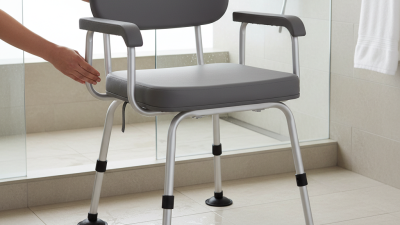
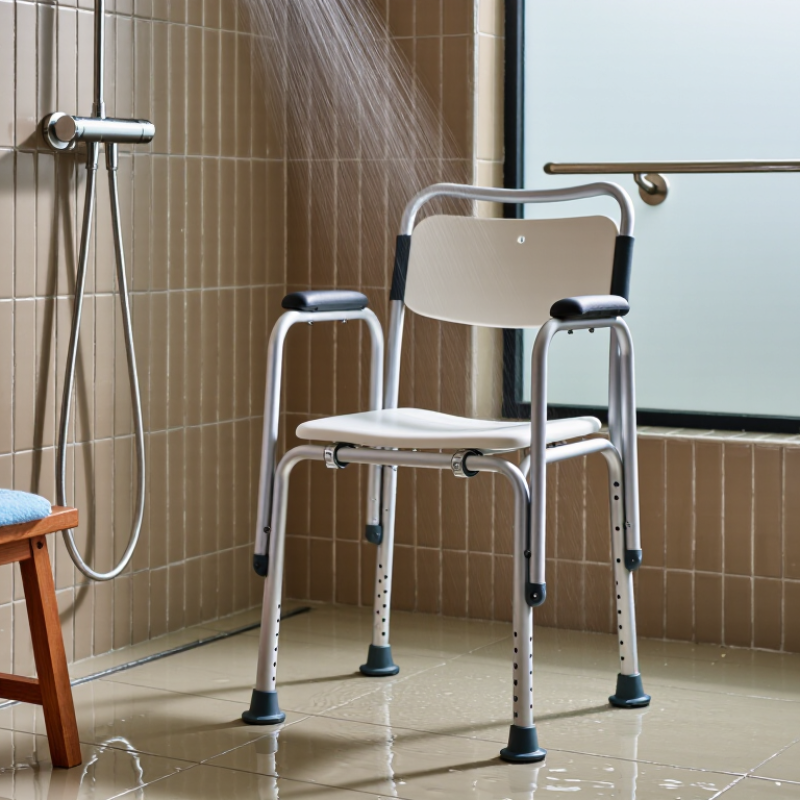
Stability depends on more than the chair’s size. Check its stated weight limit, seat width, and leg adjustment range before use. Rubber-tipped feet can help grip a clean, level shower floor, while a backrest or armrests may offer useful support. They are not substitutes for careful transfers. A chair that rocks, sits unevenly, or blocks the shower door should not be used.

Measure the shower space, including the distance to faucets and grab bars. The chair should stay clear of the drain and leave room to sit down safely. Keep the floor free of soap buildup, and check the feet and frame for looseness or damage. A wider chair can still feel awkward in a compact stall; trying the fit with a clinician or occupational therapist may reveal problems before daily use.

Why Choose a Bariatric Shower Chair for Safe Bathing? — Bariatric Shower Chairs: Purpose, Users, and Stability Features

Feature or Consideration Purpose Who May Benefit Stability or Safety Details What to Check
Higher weight capacity Supports users whose needs exceed the limit of a standard shower chair. People who need a higher-rated bathing seat or additional capacity margin. Some bariatric models are rated around 400–500 lb (181–227 kg); ratings vary by model. Choose a chair with a stated capacity above the user’s weight. Follow the manufacturer’s instructions and do not treat example ranges as a guarantee for a specific chair.
Wider seat Provides more seating room and may make sitting and repositioning more comfortable. Users who find standard-width seats restrictive or uncomfortable. A wider seat can improve fit, but stability also depends on the frame, leg placement, floor contact, and correct assembly. Compare the chair’s usable seat width with the user’s needs and the available shower space.
Reinforced frame and cross-bracing Helps the chair support its rated load during normal use. Users who need a sturdier bathing seat for regular transfers and seated washing. Reinforced construction and secure joints can reduce unwanted movement when the chair is assembled and used as directed. Check the stated weight limit, inspect joints and fasteners, and assemble all parts according to the instructions.
Non-slip feet Help the chair grip the shower floor. Anyone using a shower chair, especially people with limited balance or strength. Rubber or other non-slip tips need full contact with a clean, level surface to work properly. Confirm all feet sit flat, are in good condition, and are suitable for the shower floor. Replace worn or damaged tips as directed.
Seat with drainage openings Allows water to drain instead of pooling on the sitting surface. Users who need to bathe while seated or want a seat that dries more readily. A textured or contoured surface may help with seating, but it does not replace careful positioning or supervision when needed. Look for a smooth, easy-to-clean seat with drainage holes and no sharp edges.
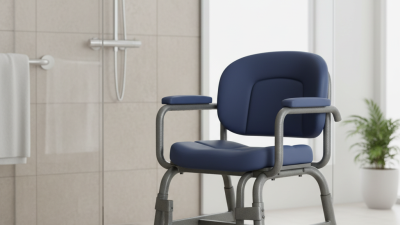
Backrest and armrests Can provide added support while sitting; armrests may offer handholds for controlled transfers. Users who benefit from back support or have difficulty lowering onto or rising from a seat. These features should be securely attached. Armrests are not a substitute for grab bars unless specifically designed and installed for that purpose. Check that the user can reach and use the supports comfortably, and confirm they do not obstruct transfers or shower access.
Adjustable legs Help set the seat at a suitable height and accommodate some unevenness in user fit. Users who need a customized seat height or caregivers helping with setup. All legs should be set to the same intended height, locked securely, and planted firmly before use. Check the adjustment range against the user’s transfer needs and the shower floor; verify each locking mechanism before bathing.
Shower-space fit Ensures the chair can be positioned without blocking access, controls, or safe movement. Users, caregivers, and households choosing a chair for a specific shower or tub. A chair that fits the space can be positioned securely and leave room for entry, exit, and assistance. Measure the shower or tub area, doorway, and chair footprint. Check whether the model is intended for a shower, a tub, or both.
Regular inspection and cleaning Helps identify wear, looseness, or residue that could affect safe use. All users and caregivers. Loose parts, damaged feet, or soap buildup may affect the chair’s condition or contact with the floor. Follow the care instructions; check the frame, seat, fasteners, and feet regularly, and stop using the chair if it is damaged or unstable.

Important: A shower chair does not prevent every fall. Select and use one according to its instructions, the user’s needs, and the bathroom layout. Ask a healthcare professional or occupational therapist for help if transfers or bathing require additional support.

Capacity and Standards: ADA 610.4 Tests Seats With 250 lb of Applied Force

A bariatric shower chair can make bathing safer by providing a wider seat and a stable base for people who need extra support. Capacity matters, but the number needs context. Under ADA 610.4, seats are tested with 250 pounds of applied force under specified conditions. That test evaluates seat strength; it does not automatically set the chair’s user-weight limit. Not the same thing. Check the chair’s stated capacity and follow its installation instructions.

A suitable chair should stay steady on a wet, level surface. Look for secure legs, slip-resistant feet, and a seat that fits the user without crowding. Armrests may help with sitting and standing, but they should not be used to lift or reposition the chair unless the instructions allow it. The test standard is useful, though it cannot tell you whether a particular chair will feel comfortable or stable in your bathroom. Measure the shower area, and check that the chair clears the door and controls.

Tips: Before each use, check for loose fittings, cracked parts, and shifting feet. Small details matter. If anything feels unstable, pause and reassess.

Why Choose a Bariatric Shower Chair for Safe Bathing?

Capacity and Standards: ADA 2010 §610.3 specifies a 250 lb (1,112 N) applied-force test for shower-seat components.

The 250 lb value is a structural test force applied at points on the seat, fasteners, mounting devices, and supporting structure—not a stated user weight capacity. ADA §610.4 addresses seat installation. Check the chair’s manufacturer-rated capacity and installation instructions when selecting a bariatric shower chair.

Choosing a Chair: Compare Rated Capacity, Seat Width, and Adjustability

Choosing a bariatric shower chair starts with the person, not the product label. Check the chair’s rated capacity and follow the manufacturer’s instructions. Avoid choosing a model right at its stated limit. Capacity alone does not guarantee a secure fit or stable transfers. Also inspect the feet and frame for damage, and make sure the chair sits firmly on the shower floor. No wobble.

Seat width needs careful attention. Measure the user while seated, then compare that measurement with the usable seat width. Allow enough room for comfortable positioning, but check that the chair still fits through the shower opening. Measurements can be awkward, and guessing is tempting. Measure twice. A chair that looks roomy online may leave little clearance beside the shower wall or curtain.

Adjustability matters when the user’s feet need stable support. Set the seat height so transfers feel manageable and the feet can rest securely, if possible. Check that each leg adjusts evenly and locks as intended. Small details count. If the person needs hands-on help, has difficulty sitting upright, or cannot transfer safely, ask a qualified healthcare professional or occupational therapist to assess the setup. A chair can be well rated and still be the wrong fit for that bathroom.

Safe Use and Care: Check Stability, Non-Slip Feet, and Weight Limits

A bariatric shower chair can make bathing more manageable, but only when it is stable and correctly rated for the user. The CDC’s 2011 MMWR report estimated 234,094 bathroom-related injuries among people aged 15 and older in 2008; falls caused about 81 percent. That figure covers bathrooms broadly, not shower-chair users alone, but it shows why small safety checks matter.

Before sitting, press down gently on the seat and check for rocking, loose fasteners, or cracked tubing. A sturdy-looking frame can still shift. Place the chair on a level surface, with all non-slip feet touching the floor. Wipe away soap, hair, or grit that could reduce their grip, and replace worn or split tips.

Check the chair’s stated weight limit against the user’s weight, and do not assume a wider seat means a higher capacity. Read the manufacturer’s instructions for assembly and inspection intervals. CDC guidance notes that one in four adults aged 65 and older falls each year, though not every fall happens in the bathroom. A chair is not a cure-all. Keep the floor as dry as possible, and ask a clinician or occupational therapist to assess fit if transfers feel awkward. Each time, recheck the feet and seat before use.