Celebrating 45 Years of clinical innovation, comfort, and caregiver support at Broda.

Explore the Legacy!

10 Best Wheelchair Pillows for Comfort and Support

Choosing the right wheelchair pillow is more than a comfort decision. It can influence posture, pressure distribution, temperature, and daily confidence. The World Health Organization and UNICEF reported in 2022 that more than 2.5 billion people need assistive products worldwide. That number may reach 3.5 billion by 2050. Wheelchair seating will remain an important part of that growing need.

Pressure matters. The National Pressure Injury Advisory Panel describes pressure injuries as localized damage caused by sustained pressure or pressure combined with shear. A thin, flat pillow may feel soft at first. After several hours, however, it can compress, trap heat, or shift beneath the pelvis. Small details count. Look at foam density, contouring, cover breathability, cleaning instructions, and compatibility with the wheelchair seat.

Rory Cooper, PhD, a wheelchair researcher and founder of the Human Engineering Research Laboratories, has emphasized that “wheelchairs are tools for independence.” His point applies to seating accessories, too. A wheelchair pillow should support movement, not create another obstacle.

No single model suits every body. That is the uncomfortable part. A cushion that helps one user may worsen pelvic tilt or discomfort for another. Clinical assessment remains valuable, especially for people with reduced sensation or previous skin problems. This guide compares ten wheelchair pillow options through a practical lens: support, pressure management, materials, durability, portability, and value. The goal is not to promise perfection. It is to make the next choice more informed.
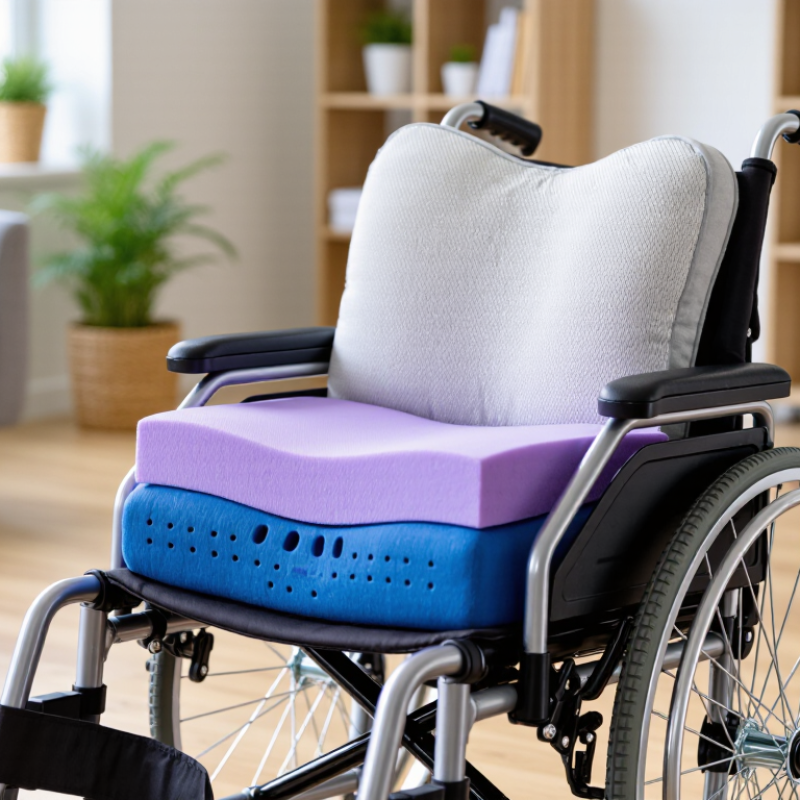
10 Best Wheelchair Pillows for Comfort and Support

Types of Wheelchair Pillows and Their Key Support Features

Choosing among the 10 best wheelchair pillows starts with understanding their support systems. The WHO and UNICEF Global Report on Assistive Technology estimates that more than 2.5 billion people need assistive products worldwide. That number may reach 3.5 billion by 2050. A wheelchair pillow is not merely a soft layer. It influences pelvic alignment, pressure distribution, heat control, and daily sitting tolerance.

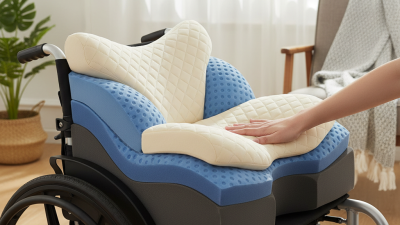
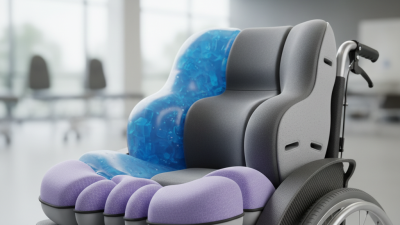
Foam pillows provide stable positioning and usually suit users who need firm pelvic support. Contoured foam can reduce sliding, although poorly fitted shapes may create pressure at the thighs. Gel pillows spread load across broader areas and feel cooler, but they can become heavy and lose effectiveness when placed incorrectly. Air-cell cushions offer adjustable immersion and envelopment. They require regular inflation checks. Hybrid designs combine foam, gel, or air for balanced stability and pressure redistribution. They can be useful for users with changing needs, but complexity may discourage consistent maintenance.

Pressure-relieving features matter most for people sitting for many hours. National Pressure Injury Advisory Panel guidance emphasizes individualized seating, skin inspection, and regular weight shifts. Look for a washable cover, breathable fabric, a non-slip base, and a height that preserves foot contact with the floor. Clinical seating assessments should also check hip angle, trunk stability, and cushion depth. No pillow fits everyone. Even a well-designed cushion may fail after weight changes, posture changes, or damp storage. That is the part many buying guides overlook. Surface comfort is only the beginning.

10 Best Wheelchair Pillows for Comfort and Support

Types of wheelchair pillows and their key support features

How to read this chart: Each score represents the typical support emphasis of a wheelchair pillow design on a 1–5 scale, where 5 indicates a stronger design focus. Actual comfort and clinical suitability vary by user, posture, mobility, and professional assessment.

How to Choose the Right Wheelchair Pillow for Comfort

Choosing a wheelchair pillow begins with the user, not the product label. In practice, comfort depends on posture, sitting time, body shape, and movement needs. Measure the wheelchair seat before shopping. The pillow should fit without folding or pressing against the frame. A cushion that is too narrow can leave the hips unsupported. One that is too deep may push the knees upward.

Pressure relief matters most for people who sit for several hours. Foam can provide stable support, while air or gel designs may reduce concentrated pressure. However, softer is not always better. The pelvis may sink unevenly, causing leaning and discomfort. Look for a firm base, supportive contours, and a washable, breathable cover. Check whether the cushion keeps its shape after repeated use. Small details matter.

Try the pillow with normal clothing and footrest settings. Sit for at least fifteen minutes, then notice pressure, heat, and hip alignment. A rehabilitation therapist can assess posture and recommend suitable materials or dimensions. Inspect the skin regularly, especially around the hips and tailbone. Redness that does not fade needs professional attention. No pillow solves every problem. I have found that users often choose softness first, then regret losing stability. Comfort should feel supportive, not unstable. Reassess the fit after weight, posture, or wheelchair changes.

Top Materials Used in Wheelchair Pillow Construction

10 Best Wheelchair Pillows for Comfort and Support

Top Materials Used in Wheelchair Pillow Construction

Material choice strongly affects pressure relief, posture, heat, and daily comfort. High-density polyurethane foam offers stable support and easy shaping. Memory foam softens with body heat, but it may retain warmth during long sitting. Gel layers spread pressure across the pelvis. However, gel can shift, feel heavy, or lose consistency in colder rooms. Air-cell designs provide adjustable pressure, though they require regular inflation checks. Honeycomb structures improve airflow and reduce weight. No material wins every time.

The World Health Organization and UNICEF reported in 2022 that more than 2.5 billion people need assistive products worldwide. This figure highlights the importance of practical, accessible seating support. Yet, a Cochrane review on wheelchair cushions found limited evidence proving one cushion material prevents pressure injuries better than another. Professional assessment still matters. A seating specialist should check pelvic alignment, cushion height, transfer ability, and skin condition. A pillow that feels soft may still create poor posture.

Tips: Press the cushion after thirty minutes of sitting. Notice heat, numbness, or uneven sinking. Inspect foam for permanent compression. Keep air cushions correctly inflated. A washable, breathable cover helps manage moisture, but it cannot fix an unsuitable core. I would also question “maximum comfort” claims. Comfort changes with body shape, climate, and sitting time. Testing remains imperfect, but careful observation often reveals more than specifications alone.

10 Best Wheelchair Pillows for Comfort and Support - Top Materials Used in Wheelchair Pillow Construction
No. Wheelchair Pillow Type Primary Materials Support and Pressure Characteristics Best Use Useful Features Important Considerations
1 Contoured Memory Foam Cushion Viscoelastic memory foam with a high-density polyurethane foam base Conforms to the pelvis and thighs while helping distribute seated pressure Daily wheelchair use and users who prefer molded body support Contoured surface, stable positioning, removable washable cover Can retain heat and may feel less responsive during transfers
2 High-Resilience Foam Cushion Firm, resilient polyurethane foam with a breathable fabric cover Provides consistent support with limited sinking and good weight distribution Active users who need a firm, lightweight cushion Quick recovery after compression, low maintenance, easy handling May feel too firm for users needing advanced pressure relief
3 Gel-Infused Foam Cushion Polyurethane foam combined with a silicone or polymer gel layer Combines foam stability with gel-based pressure redistribution Users seeking a balance of comfort, support, and moderate cooling Pressure-relieving gel layer, contoured options, durable construction Usually heavier than basic foam and should be kept away from sharp objects
4 Air-Cell Cushion Interconnected polyurethane air cells with a coated textile cover Adjustable air volume allows pressure redistribution and immersion around the pelvis Users with significant pressure-management needs Adjustable inflation, low contact pressure, flexible cell configuration Requires regular inflation checks and careful protection from punctures
5 Honeycomb Cushion Flexible thermoplastic elastomer or molded polymer honeycomb structure Open-cell geometry spreads load while allowing controlled flex and airflow Users who prioritize ventilation and a responsive sitting surface Highly ventilated structure, washable design, good resilience The flexible surface may require a supportive wheelchair base
6 Gel Overlay Cushion Polymer gel in a sealed pouch placed over foam or a firm base Adds localized pressure redistribution without completely changing seat height Users needing additional comfort on an existing firm seat Easy to place over a seat, cushioning effect, low-profile options May shift if not secured and can increase overall cushion weight
7 Alternating-Air Cushion Multiple air chambers made from flexible polyurethane or similar coated fabric Cycles air pressure between chambers to vary loading across contact areas Long-duration sitting where frequent pressure variation is desired Powered or manual air control, adjustable pressure, dynamic support Needs a reliable pump or control system and may produce operating noise
8 Coccyx-Cutout Foam Cushion High-density polyurethane foam with a rear cutout and stretch fabric cover Reduces direct contact beneath the tailbone while supporting surrounding areas Users experiencing localized coccyx discomfort Rear pressure-relief cutout, stable foam core, simple maintenance Incorrect sizing or pelvic positioning can reduce its effectiveness
9 Wedge and Lateral-Support Cushion Layered polyurethane foam with firmer side bolsters and a stretch cover Encourages pelvic alignment and limits side-to-side movement Users who need additional positioning support during seated mobility Pelvic contouring, lateral stability, anti-slip bottom option Must match the wheelchair width and the user’s postural requirements
10 Breathable Fiber-Filled Cushion Polyester fiber or hollow siliconized fiber in a quilted textile shell Provides soft, conforming comfort with modest pressure distribution Shorter periods of sitting and users who prefer a soft surface Lightweight, washable cover, flexible and easy to transport May compress over time and generally offers less postural support than foam or air designs

Ten Wheelchair Pillows Compared for Comfort and Support

Ten Wheelchair Pillows Compared for Comfort and Support

Choosing among ten wheelchair pillow designs requires more than checking softness. The World Health Organization reports that about 1.3 billion people live with significant disability worldwide. For wheelchair users, daily comfort depends on pressure distribution, posture, temperature, and transfer needs. This comparison reviews foam, memory foam, gel, air, honeycomb, contoured, wedge, coccyx-cutout, bariatric, and hybrid pillows. Each design solves a different problem.

Foam pillows are stable and affordable, while memory foam molds closely around the pelvis. Gel models may reduce heat, but they can feel heavy during transfers. Air cushions offer adjustable support, although inflation needs regular checking. Honeycomb structures improve airflow, yet some users dislike their uneven feel.

Contoured and wedge designs can support pelvic alignment, but incorrect sizing may increase discomfort. Coccyx cutouts relieve tailbone pressure for some users. Bariatric options provide wider support. Hybrid pillows balance materials, but their performance varies. The comparison is useful, not perfect.

Tips: Measure the wheelchair seat before buying. Keep hips level and feet supported. Check the cover for moisture resistance and easy washing. A rehabilitation professional can assess posture and pressure mapping when skin protection is a concern. The National Pressure Injury Advisory Panel emphasizes individualized risk assessment, rather than relying on one cushion type. Inspect skin after sitting, especially near the tailbone and hips. Stop using a pillow if numbness, persistent redness, or new pain appears. Temperature and comfort still need personal testing.

Care, Safety, and Proper Positioning for Wheelchair Pillows

A wheelchair pillow should support comfort without disturbing safe posture. The right choice depends on body shape, sitting tolerance, pelvic stability, and daily mobility. A cushion that feels soft at first may still create uneven pressure after several hours. Firm, stable support is often more useful than excessive padding.

Position the pillow flat and centered on the seat. Keep the pelvis level, with both thighs supported and feet resting securely. Avoid folded towels or loose layers, which can shift and increase sliding. Check the skin after sitting, especially over the tailbone, hips, and thighs. Redness that remains after moving deserves professional advice. A rehabilitation clinician can assess posture, pressure, and cushion height more accurately than appearance alone. The backrest and foot supports also affect positioning.

Tips: Choose a washable, breathable cover. Check seams and compression every week. Remove the pillow if it becomes damp, damaged, or uneven. Help the user change position regularly, even when the cushion feels comfortable. Never use a pillow to force a tilted body into place. That can hide a problem. It is easy to focus on softness and forget stability. Caregivers should observe transfers, because a cushion that supports sitting may make transfers harder. Small adjustments can matter, but uncertain changes should be reviewed by a qualified healthcare professional.