Why Choose a Reclining Wheelchair for Better Comfort?
Choosing a reclining wheelchair is not simply a matter of adding more movement to a chair. It can change how a person rests, eats, talks, and manages fatigue during a long day. A gentle tilt may reduce pressure on the hips. A reclined back can support safer repositioning, easier breathing, or short periods of sleep. Yet comfort is personal. A feature that helps one user may create sliding, poor posture, or discomfort for another.
Dr. Rory Cooper, a respected rehabilitation engineer and wheelchair researcher, often connects mobility with personal freedom and dignity. His widely cited observation is clear: “Mobility is a basic human right.” That principle matters when evaluating a reclining wheelchair. The best model should match the user’s body, transfer ability, daily routine, and clinical guidance. Seat depth, head support, elevating leg rests, cushion firmness, and control placement all deserve careful attention. Small details matter.
A practical example is a user who spends six hours beside a desk. Reclining slightly may ease back tension, while proper leg support can prevent the feet from hanging painfully. However, reclining alone does not solve pressure management. It may also affect vision, reaching, and vehicle positioning. That part is easy to overlook. Buyers should test the chair with a qualified therapist or experienced supplier whenever possible. Personal experience, professional assessment, and reliable product information should work together. The choice may not be perfect on the first attempt. Honest reassessment is part of finding genuine comfort.

What Is a Reclining Wheelchair?
A reclining wheelchair is a mobility chair with an adjustable backrest. The back can move from an upright position toward a more open angle. This change supports rest, positioning, and comfort during longer periods of sitting. Unlike a standard wheelchair, it can reduce the feeling of being held rigidly upright.
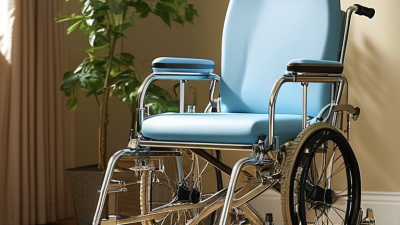
The mechanism usually includes a reclining back, adjustable head support, and elevating leg rests. Some models also offer pressure-relieving cushions and adjustable armrests. These features work together, but they are not automatically suitable for every user. A reclining back is different from tilt-in-space. Reclining opens the hip angle, while tilt-in-space moves the seat and back together. That distinction matters for posture and pressure management.
Comfort depends on careful fitting. A trained clinician or seating specialist should check the user’s hip position, trunk control, head alignment, and foot support. When the back reclines, the body may slide forward. This can increase shear against the skin. Small details matter. A poorly adjusted headrest may push the neck forward. Leg rests that sit too high may strain the knees. Regular skin checks, safe transfer techniques, and caregiver supervision are important, especially for people with limited movement or sensation. It is tempting to view reclining as the complete answer. It is not. The chair must match the person, their daily routine, and their changing physical needs.
How Reclining Features Improve Comfort and Posture
Why Choose a Reclining Wheelchair for Better Comfort?
A reclining wheelchair can change how the body rests during long periods of sitting. Its backrest opens the hip angle and reduces pressure across the lower spine. This position may help users who experience fatigue, muscle tightness, or limited trunk control. A small adjustment can make a big difference.
Comfort depends on more than reclining alone. The seat depth, cushion, head support, and footrests must work together. When the back reclines, the pelvis can slide forward if the seat does not provide enough support. That movement may create friction, poor posture, and pressure near the tailbone. A trained therapist or seating specialist can assess these risks and adjust the chair safely.
Slow changes matter.
Caregivers should recline gradually and observe the user’s breathing, head position, and skin condition. Regular pressure relief remains important, even when the backrest feels comfortable. Reaching for items may also become difficult in a reclined position, so essential objects should stay nearby. It is easy to believe that more recline always means more comfort. That assumption is not always correct. Some users feel better with moderate support and frequent repositioning instead. Personal comfort, posture, and daily activities should guide the setup, not a single preferred angle.
Who Benefits Most from a Reclining Wheelchair?
A reclining wheelchair can offer more than a comfortable backrest.
It changes the user’s sitting angle, helping some people rest during long periods of mobility. Users with limited trunk control, muscle weakness, chronic fatigue, or painful hip and knee positions may benefit most. A caregiver may also find personal care easier when the backrest opens gradually.
The need is substantial.
The WHO Wheelchair Provision Guidelines report that only 5–15% of people needing wheelchairs have access to one. The WHO and UNICEF Global Report on Assistive Technology estimates that more than 2.5 billion people need assistive products worldwide. These figures show the wider access problem, but they do not prove that every user needs reclining support. The choice is not always obvious.
People who cannot reposition independently may gain better pressure management and rest periods. However, reclining can create sliding and skin shear if the seat angle, cushion, or footrests are poorly adjusted. That risk deserves attention. A qualified therapist should assess posture, skin condition, transfers, breathing, and daily routines before selection. Users with respiratory limitations may appreciate a more open position, but individual medical advice remains essential. The chair should move smoothly, support the head when required, and remain stable during recline. Comfort matters, yet comfort alone is an incomplete test.
Key Features to Consider Before Choosing One
Why Choose a Reclining Wheelchair for Better Comfort?
Key Features to Consider Before Choosing One
A reclining wheelchair can ease fatigue during long periods of sitting. Its backrest changes position, helping users rest without leaving the chair. However, comfort depends on more than reclining range. A wider angle is not always better. Some users may slide forward or experience increased pressure near the hips. A clinical seating assessment can identify safer positions.
Check the seat width, depth, and cushion design carefully. The user’s hips should remain supported without tight side pressure. A pressure-relieving cushion may reduce discomfort, but softer is not always better. Stable support matters. Look for adjustable head and neck support, especially when the backrest moves. Footrests should support the legs without pressing behind the knees. Small gaps can cause discomfort over time.
Safety features deserve equal attention. Reliable brakes, anti-tip wheels, and a strong frame help during transfers and outdoor use. The reclining mechanism should move smoothly, without sudden drops. Caregivers should test the controls and learn how to position the user correctly. One overlooked detail is transport: some reclining models are bulky and difficult to place in a vehicle. Measuring doorways and storage space first can prevent an expensive mistake. A short trial is useful, because real comfort may differ from showroom comfort.
Why Choose a Reclining Wheelchair for Better Comfort?
A reclining wheelchair can improve comfort by allowing the backrest, leg supports, and seating position to be adjusted for rest, posture changes, and pressure management. The chart shows common adjustment ranges to verify before choosing a model; exact specifications vary by wheelchair.
What to consider: Check the available recline angle, leg-rest elevation, seat width, seat depth, head support, cushion compatibility, and whether the chair maintains safe positioning during adjustment.
How to Use and Maintain a Reclining Wheelchair Safely
Why Choose a Reclining Wheelchair for Better Comfort?
A reclining wheelchair can reduce discomfort during rest, feeding, or recovery. It also supports posture changes when sitting upright becomes tiring. However, reclining is not automatically safe. A 2022 WHO and UNICEF report estimates that over 2.5 billion people need assistive products worldwide. Access remains limited in many regions. Proper training matters.
Lock the brakes before transfers. Move footrests away, and keep both feet supported afterward. Tell the user before changing the back angle. Recline slowly, checking the head, hips, clothing, and tubes for pressure or pulling. Avoid reclining on slopes or uneven ground. Never treat the chair as a vehicle seat unless it has approved crash-tested features, as addressed by ISO 7176-19:2022. A caregiver should stay nearby if balance is uncertain.
Check brakes, tires, castors, fasteners, upholstery, and recline locks before every use. Look for loose parts or unusual resistance. Keep moving joints clean and dry, following the equipment manual. Pressure injuries can develop quietly; the NPIAP 2019 guideline highlights the importance of reducing pressure and shear. Change position according to clinical advice, not a fixed guess. I still recheck the pelvis after reclining. Small errors happen. They can change alignment quickly. Powered models also need charged batteries and dry connectors.