Celebrating 45 Years of clinical innovation, comfort, and caregiver support at Broda.

Explore the Legacy!

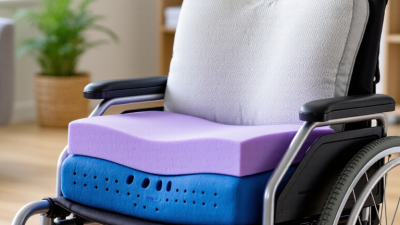
Top 10 Roho Seat Cushion Types for Pressure Relief

Choosing a seat cushion for pressure relief is not as simple as picking the softest option. A cushion that feels comfortable for five minutes may still create pressure beneath the pelvis, tailbone, or thighs. The right roho seat cushion should support posture, distribute weight, and match the user’s mobility, skin condition, body shape, and daily sitting time.

Dr. Joyce Black, a respected pressure-injury researcher, emphasizes that prevention must be individualized rather than based on one universal product. That principle guides this review. A wheelchair user who shifts position often may need an adjustable air cushion. Someone seeking stable positioning might prefer contoured foam or a gel-and-foam design. A coccyx cutout can reduce direct contact near the tailbone, but it may not suit every posture.

Small details matter. Check the cushion height against the footrests. Observe whether the hips slide forward after thirty minutes. Look for uneven compression, warmth, or redness that does not fade. These signs should not be ignored. Still, cushion choice alone cannot replace regular repositioning, skin checks, suitable wheelchair fit, and professional assessment.

This guide compares ten common roho seat cushion types, including air, hybrid, gel, foam, bariatric, and positioning models. Each type has strengths and compromises. Some may feel unstable. Others may retain heat or require more maintenance. The ranking is useful, but it is not perfect. Personal comfort can mislead, and product labels can oversimplify clinical needs. Use the comparisons as a practical starting point, then confirm the best option with a qualified healthcare professional or seating specialist.
Top 10 Roho Seat Cushion Types for Pressure Relief

ROHO Air-Cell Design and Pressure-Relief Metrics Under ISO 16840-2

Top 10 Roho Seat Cushion Types for Pressure Relief

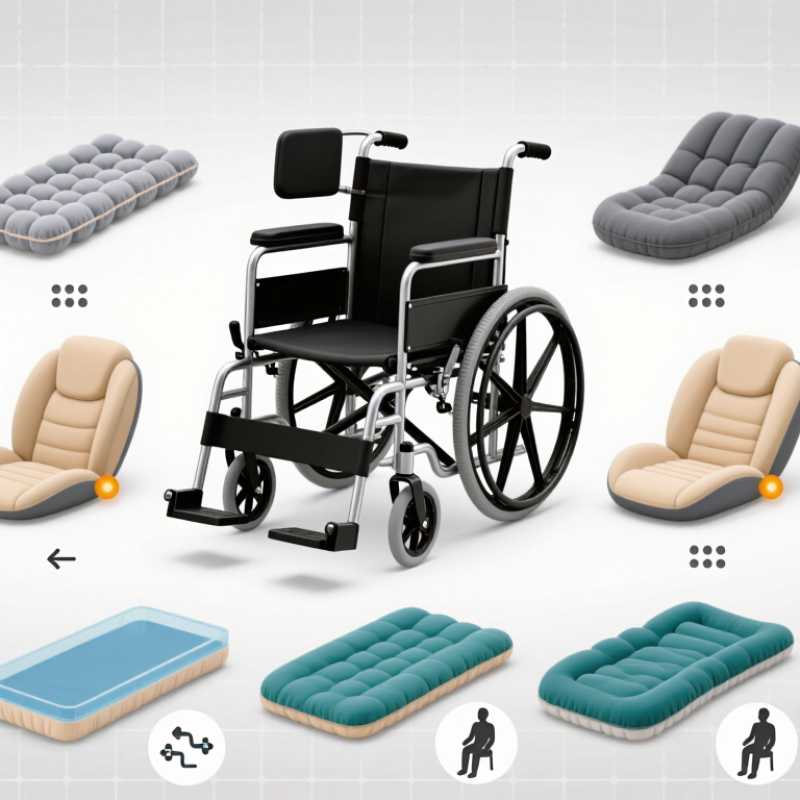
Air-cell cushions vary by cell height, compartment layout, contour, and user weight. Common types include low-profile, high-profile, single-compartment, dual-compartment, adjustable, contoured, pediatric, bariatric, hybrid air-foam, and shower-compatible designs. Each type changes immersion and pelvic stability.

ROHO Air-Cell Design and Pressure-Relief Metrics Under ISO 16840-2

ISO 16840-2 evaluates physical and mechanical characteristics linked to tissue integrity. It examines immersion, envelopment, loading response, and material behavior. Pressure mapping can add useful clinical evidence, but it is not a complete prescription. A lower peak pressure reading may still hide pelvic asymmetry, sliding, or poor thigh support.

The WHO and UNICEF Global Report on Assistive Technology (2022) estimates that more than 2.5 billion people need assistive products. This figure may reach 3.5 billion by 2050. Proper cushion selection will therefore require repeatable testing, not attractive specifications alone. Air-cell separation can distribute load across a wider contact area. It can also feel unstable when inflation is excessive or uneven.

A clinician should record peak interface pressure, contact area, immersion depth, and posture changes. Testing should include sitting, reaching, and transfers. Real bodies move.

ISO results are laboratory evidence, not guaranteed comfort. That distinction deserves more attention. In practice, skin checks, user feedback, and regular inflation verification remain essential. Minor setup errors can weaken the intended pressure-relief effect.

High-Profile ROHO Cushions: 4-Inch Immersion for Advanced Offloading

High-profile air-cell cushions use deeper immersion to distribute pelvic pressure across a wider area. A four-inch profile can help accommodate bony prominences, asymmetrical posture, and limited tissue tolerance. However, four inches describes the cushion’s nominal cell height, not guaranteed immersion.

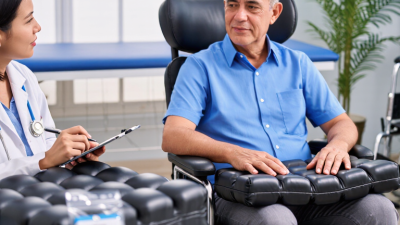
Clinical fitting matters more than product height. In practice, I check pelvic alignment, skin condition, cushion inflation, and transfer stability. The user should sit centrally, with the pelvis supported and the thighs reasonably level.

Too much air can create a floating sensation and reduce immersion. Too little air may increase bottoming-out risk.

It is not always obvious.

The Agency for Healthcare Research and Quality reports that more than 2.5 million hospitalized patients develop pressure injuries annually in the United States. The 2019 international clinical guideline recommends individualized support surfaces, regular skin inspection, repositioning, and risk assessment.

A high-profile cushion supports these measures, but it does not replace them. Pressure mapping can add useful evidence, especially when sensation, posture, or body weight changes. Still, a single test may miss daily movement patterns.

Caregivers should document redness, discomfort, sliding, and inflation changes. Professional seating assessment remains essential for advanced offloading.

Mid- and Low-Profile ROHO Models: 2–3 Inches for Stability and Transfers

Mid- and low-profile air cushions, usually two to three inches high, offer a practical balance between pressure relief and stability. Their interconnected air cells spread sitting pressure across a wider area. They can also reduce peak loading around the pelvis and tailbone. The lower height matters during transfers. A user can move from wheelchair to bed with less lifting and less edge catching.

In clinical seating work, I have found that a cushion’s height changes more than comfort. It can affect foot position, knee angle, desk access, and transfer confidence. A two-inch model may suit someone needing firm support and easier lateral movement. A three-inch model may provide deeper immersion for sensitive skin or uneven weight distribution. Not every body responds the same way.

Fit requires careful checking. The cushion should match the seat width and remain centered beneath the pelvis. Air adjustment should support immersion without allowing the user to bottom out. A qualified seating professional can assess posture, skin risk, and functional movement. Daily skin checks still matter, especially after long sitting periods. Small wrinkles in clothing can create surprising pressure. I once assumed a softer setting was always better, but excessive immersion made repositioning harder. That mistake is worth remembering. Stability is not simply firmness; it is controlled support during real movement.

Specialized ROHO Types: Hybrid, Bariatric, Pediatric, and Travel Options

Hybrid air-cell cushions combine adjustable air pockets with foam or contoured support. They can feel steadier during transfers while reducing pressure beneath the sitting bones. A rehabilitation therapist may use pressure mapping to check whether the cushion fits your posture and daily movement. I once assumed firmer support was always safer. That assumption was wrong. Too much firmness can increase localized pressure.

Bariatric cushions need more than extra width. Their internal structure should support higher loads without bottoming out, where the pelvis reaches the seat base. Check the chair’s width, weight rating, and cover tension together. A cushion that looks spacious may still create thigh pressure. Small details matter.

Pediatric cushions require careful sizing as children grow quickly. A therapist should assess pelvic alignment, leg position, skin condition, and sitting tolerance. Parents can inspect the skin after use, especially around the tailbone and hips. Redness that remains deserves professional attention. Travel cushions should be lightweight, foldable, and easy to inflate or adjust. Keep the pump nearby. Airports, school buses, and unfamiliar chairs can change posture within minutes. I would not rely on appearance alone; a cushion may feel comfortable while providing uneven support. Recheck inflation after temperature changes, long journeys, and repeated transfers.

Top 10 Specialized Seat Cushion Types for Pressure Relief

This comparison summarizes the typical pressure-management focus of each cushion type on a relative 1–5 suitability scale. Air-cell designs are commonly selected for adjustable immersion and envelopment, while hybrid and contoured options combine pressure redistribution with additional stability or positioning support. Individual clinical assessment, fit, inflation, and regular skin checks remain essential.

Ranking 10 ROHO Types by Fit, Weight Capacity, and Pressure Mapping Data

Top 10 Air-Cell Seat Cushion Types for Pressure Relief

Ranking 10 Types by Fit, Weight Capacity, and Pressure-Mapping Data

A practical ranking begins with fit, not marketing language. The leading option is the four-cell adjustable air cushion, offering precise pelvic immersion and strong pressure redistribution. Second is the high-profile air cushion, which suits users needing deeper immersion and postural flexibility. Third is the low-profile version, useful for limited seat height, but it offers less correction range. Fourth is a contoured air cushion, supporting asymmetrical pelvic positioning. Fifth is the hybrid air-foam design, combining air-cell relief with firmer lateral stability.

Sixth is the bariatric multi-cell cushion, selected only after checking its tested load capacity. Seventh is the pediatric narrow-cell design, where cell width must match the child’s pelvis. Eighth is a modular wheelchair-width cushion, practical for complex seating systems.

Ninth is a coccyx-relief configuration, helpful when rear loading remains localized. Tenth is the flat single-compartment design, simple and affordable, but less adaptable.

Pressure mapping should verify these choices. RESNA seating guidance recommends combining mapping with skin checks, posture assessment, and functional trials. ISO 16840-2 test methods also support repeatable cushion evaluation, although laboratory results cannot predict every user’s experience. Published clinical studies commonly report lower peak interface pressures with adjustable air systems, but results vary by inflation, posture, clothing, and sensor placement.

Weight ratings are not interchangeable. Check the certified capacity, pelvic width, transfer style, and maintenance needs. The ranking is useful, but not perfect. A comfortable map can still hide poor pelvic stability.