Celebrating 45 Years of clinical innovation, comfort, and caregiver support at Broda.

Explore the Legacy!

Where to Buy the Best Roho Cushions in China?

Finding the best roho cushions in China requires more than comparing online prices. A suitable cushion can affect posture, comfort, skin protection, and daily independence. Buyers should examine authorized medical suppliers, established rehabilitation retailers, and reputable hospital equipment distributors. Product authenticity matters because genuine Roho cushions usually include identifiable packaging, serial information, and manufacturer guidance.

China offers several purchasing routes, including specialist medical stores, verified e-commerce shops, and local distributors serving rehabilitation clinics. Each option has practical differences. A physical supplier may allow a fitting assessment. An online seller may offer broader model choices and faster delivery. However, product descriptions can be incomplete. That is where careful questions become important.

Ask whether the cushion is new, correctly sized, and supported by a valid warranty. Confirm the model, cell height, cover type, inflation pump, and return policy. If possible, request photographs of labels and packaging before payment. A trained therapist or seating specialist can also evaluate pelvic alignment and pressure needs. Personal experience helps here, but it is not enough alone.

Fit is highly individual.

A cushion that feels soft may not provide stable support. A firmer model may improve balance but feel unfamiliar during the first week. Users should check inflation regularly and inspect the cells for leaks. Small details, such as a smooth cover and reliable valve, become noticeable during long sitting periods. Some sellers may confidently recommend one model for everyone, yet that advice deserves reflection. The best choice depends on body shape, mobility, medical needs, budget, and after-sales support. This guide explains where to look, what evidence to request, and how to choose roho cushions with greater confidence in China.
Where to Buy the Best Roho Cushions in China?

WHO’s 2.5B Assistive-Product Need: Start With Clinical Fit

China’s assistive-product market is expanding, but the best wheelchair cushion is not chosen by price alone. The World Health Organization estimates that 2.5 billion people need at least one assistive product. That figure makes clinical fit more urgent than promotional claims.

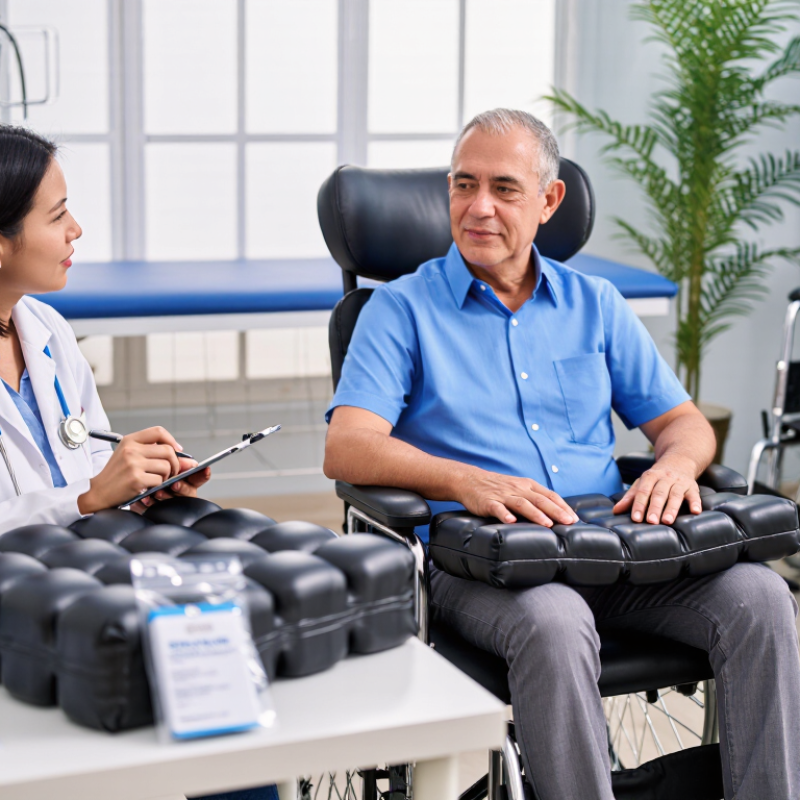
A suitable air-cell cushion should match the user’s posture, weight, sitting tolerance, and skin risk. A rehabilitation clinician can assess pelvic alignment and pressure distribution. Pressure mapping may reveal a dangerous hotspot beneath one sitting bone. A short trial matters.

Fit comes first.

In China, buyers should check cell height, cushion dimensions, inflation control, and repair support. Ask whether the supplier provides pressure-adjustment guidance in clear Chinese or English. Confirm the return policy before opening the package. A cushion that feels soft in a showroom may become unstable during an eight-hour workday.

My first assessment was too quick. I once focused on comfort and overlooked transfer stability. That mistake changed how I compare products. Users should also test the cushion with their actual wheelchair, clothing, desk height, and daily route. A qualified supplier should explain limitations, cleaning methods, and inspection intervals without exaggeration. Independent clinical advice remains valuable, especially for people with reduced sensation or previous pressure injuries. Some online listings look convincing. Documentation may still be thin.

Where to Buy the Best Roho Cushions in China? - WHO’s 2.5B Assistive-Product Need: Start With Clinical Fit

Evidence-based purchasing framework for wheelchair cushions, clinical assessment, and supplier verification

Evaluation Dimension Evidence-Based Data or Benchmark Clinical Fit Implication What to Verify Before Purchase in China Reference
Global assistive-product demand More than 2.5 billion people currently need at least one assistive product worldwide. Large demand does not mean one cushion suits every user; assessment and individual configuration remain essential. Ask whether the seller provides fitting guidance, user instructions, adjustment support, and post-purchase service. World Health Organization, Global Report on Assistive Technology, 2022
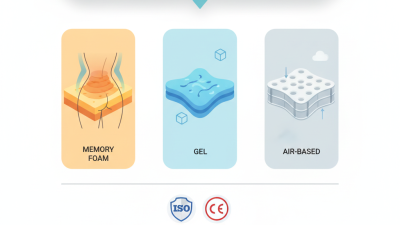
Cushion technology Common wheelchair-cushion designs include air-cell, foam, gel, honeycomb, and hybrid constructions. Technology should be selected according to skin condition, posture, stability, transfer ability, maintenance capacity, and tolerance for adjustment. Request the material specification, adjustment method, repair procedure, cleaning instructions, and replacement-part availability. ISO 16840-2:2018; clinical wheelchair-seating practice
Width and depth selection A cushion should generally match the wheelchair seat dimensions and support the user without excessive side or front overhang. Incorrect dimensions can reduce pelvic stability, interfere with transfers, or create pressure at the thighs and lateral pelvis. Measure the wheelchair seat width and depth, then compare them with the usable cushion dimensions rather than the package dimensions. ISO 16840-2:2018; wheelchair seating assessment principles
Pressure-injury risk Risk is influenced by pressure, shear, friction, moisture, posture, duration of sitting, sensation, mobility, and tissue condition. A pressure-relieving cushion is only one part of prevention; regular skin checks, repositioning, and proper seating setup are also required. Confirm whether a qualified clinician should prescribe or review the cushion for users with current or previous pressure injuries. International pressure-injury prevention and treatment guidelines, 2019
Pelvic positioning and stability Cushion contour, immersion, envelopment, firmness, and support surfaces affect pelvic alignment and sitting stability. A highly adjustable cushion may improve immersion and pressure distribution but may require regular maintenance and user training. Check whether the user can maintain a level pelvis, balanced trunk, safe foot position, and functional reach while seated. RESNA wheelchair seating and mobility clinical practice resources
Weight and transfer requirements A cushion must be compatible with the user’s body weight and the dynamic loads created during transfers and daily wheelchair use. A cushion that is too soft, too high, or poorly secured may reduce transfer safety and wheelchair stability. Verify the tested user-weight range, cushion height, base stability, non-slip features, and compatibility with the wheelchair frame. Manufacturer technical documentation; ISO 16840-2:2018
Air-cell adjustment and maintenance Air-based cushions require correct inflation or adjustment and periodic inspection for leakage, valve damage, and cover wear. Incorrect inflation can change immersion, stability, bottoming-out risk, and pressure distribution. Request a written adjustment protocol, repair kit availability, leakage-test method, spare-cover options, and service response time. Product instructions for use; clinical seating assessment practice
Fire and material safety Cushion covers and materials may be tested under different national or regional flammability requirements; test methods are not automatically interchangeable. Material compliance should be assessed for the intended market, care environment, and institutional purchasing requirements. Obtain current test reports, material composition, cleaning limits, and declarations applicable to the destination market. Applicable national regulations; laboratory test documentation
Quality and performance testing ISO 16840-2 provides methods for determining physical and mechanical characteristics of wheelchair seat cushions; it is not a clinical prescription. Laboratory data can support comparison, but it cannot replace an individual seating assessment. Request the exact test standard, laboratory identity, test date, sample configuration, and whether results apply to the offered model. ISO 16840-2:2018
China procurement and after-sales support Online listings may not provide sufficient information about clinical suitability, traceability, warranty coverage, or replacement parts. The lowest purchase price may create higher total cost if fitting, repair, cleaning, or replacement support is unavailable. Verify legal seller information, invoice availability, warranty terms, return conditions, delivery time, service location, and spare-part access. Buyer due diligence; applicable Chinese medical-device and consumer-product requirements
Final clinical decision The best cushion is the one that matches the user’s clinical needs, wheelchair configuration, environment, and ability to maintain it safely. Clinical fit should take priority over brand recognition, marketing claims, appearance, or price alone. Whenever possible, arrange assessment by a qualified rehabilitation professional and conduct a follow-up review after real-world use. WHO assistive-technology principles; professional wheelchair-seating practice
Important: This table is an educational purchasing framework, not a medical prescription. Users with impaired sensation, a current pressure injury, significant postural asymmetry, or complex neurological conditions should receive an individualized seating assessment.

Compare ROHO Sizes, Cell Heights, and Weight Limits Before Ordering

When shopping for an air-cell wheelchair cushion in China, compare measurements before comparing prices. Product photos can be misleading. Measure the chair seat width and depth, then leave enough room for proper positioning. A cushion that is too large may fold against the frame. One that is too small can reduce pelvic support.

Cell height changes the riding experience. Lower cells may feel more stable and suit users needing easier transfers. Taller cells can provide deeper immersion and better pressure distribution, but they may feel less steady. Ask for the inflated height, not only the product description. Weight limits also require careful checking. Use the user’s current weight, clothing, and daily equipment when reviewing the stated capacity. Never treat the limit as a comfortable target.

Before ordering, request an actual size chart, valve photos, repair-kit details, and written warranty terms. Confirm whether the supplier tests inflation and leakage before shipping. A seating therapist or qualified rehabilitation professional should assess posture and skin-risk needs. In practice, buyers often focus on width and overlook height. I made that mistake once. The cushion fitted the chair, but the added height affected foot placement. Ask about replacement parts and return procedures in China. Keep screenshots of every specification, because listings can change without notice.

Verify FDA 510(k), ISO 16840-2 Tests, Serial Numbers, and Warranty

Where to Buy the Best Roho Cushions in China?

Buying a wheelchair cushion in China requires more than comparing prices. I inspect the seller’s technical documents, product labels, and after-sales terms before placing an order. A clear product page helps, but it does not prove medical reliability.

Ask for the FDA 510(k) number and check it in the official FDA database. Confirm that the listed device matches the cushion’s model, intended use, and legal manufacturer. A copied certificate image is not enough.

ISO 16840-2 test evidence also deserves careful review. Request the complete report, not only a logo or one-page summary. Check the laboratory name, test date, sample model, pressure measurements, and testing conditions. The report should clearly identify the tested cushion.

Small differences matter. I once focused too heavily on test results and overlooked the actual production model. That was a useful warning.

Record the serial number shown on the cushion, box, and invoice. They should match. Ask whether the seller can verify production records before shipment.

Read the warranty in plain detail: coverage period, air-cell repairs, replacement parts, shipping costs, and exclusions. Get these terms in writing. Keep photos of the valve, label, packaging, and serial number.

A trustworthy supplier answers specific questions without rushing you. Some sellers may lack perfect English, but vague answers about safety documents should still make you pause.

Rank China Sources: Authorized Dealers, Hospitals, and Major E-Commerce

For buyers in China, authorized medical-device dealers deserve the highest rank. They usually provide model guidance, size checks, purchase invoices, and warranty documents. Ask for the seller’s business license and product registration details. A reliable dealer should explain air-cell adjustment, cover care, and replacement procedures. Request photos of the packaging before payment. Small details matter.

Hospitals and rehabilitation centers rank next, especially for users with pressure injuries or limited posture control. A clinician can assess sitting balance, skin condition, pelvic alignment, and cushion height. Some centers offer pressure mapping or supervised trials. The cushion may cost more there, but poor fitting can cost more later. Availability is not always consistent. Call ahead.

Major Chinese e-commerce platforms offer convenience and broader price comparisons. Choose stores with long operating histories, clear return policies, verified invoices, and recent reviews containing real product photographs. Avoid listings with vague model numbers or unusually low prices. Check whether the seller ships from China and supports local service. Ratings can mislead. A crowded review page does not prove authenticity. My ranking is not perfect, because regional service quality changes quickly. Even a trusted seller may lack the correct size. Measure the wheelchair seat and confirm the user’s weight range before ordering. A short fitting session is worth arranging.

Where to Buy the Best Roho Cushions in China?

This practical checklist compares common purchasing routes in China. Authorized dealers and hospitals are generally stronger for authenticity checks and fitting support, while major e-commerce platforms usually provide broader delivery access. Scores indicate whether a channel typically offers each feature, not market share or sales volume.

Calculate Landed Cost: Price, VAT, Delivery, Fitting, and Returns

Where to Buy the Best Roho Cushions in China?

The product price is only the starting point. A cushion quoted at 80 USD may cost much more after shipping, VAT, fitting, and returns. Ask the supplier for a formal invoice, product specifications, package dimensions, and the correct customs classification. These details support a more reliable landed-cost calculation.

Delivery charges depend on weight, carton size, destination, and shipping method. Air freight may arrive quickly, but sea or rail transport can reduce costs for larger orders. Confirm whether the quoted price includes export handling, insurance, and last-mile delivery. VAT rules vary by destination, so verify them with a qualified customs broker before payment. Do not rely on a vague “tax included” promise.

Fitting also deserves a real budget. You may need a compatible cover, pump, valve adjustment, or professional seating assessment. Ask who pays if the cushion does not fit the wheelchair or user. Read the return policy carefully, especially for opened medical-support products. Some sellers accept returns only for defects, while others deduct inspection or restocking fees. Keep photos, measurements, invoices, and delivery records. My estimates are never perfect; exchange rates and customs delays can change the final figure. That uncertainty should appear in the spreadsheet, not remain hidden.