Celebrating 45 Years of clinical innovation, comfort, and caregiver support at Broda.
Explore the Legacy!Choosing the right roho cushions is not a simple product comparison. It is a clinical, technical, and purchasing decision. For wheelchair users, a cushion can influence pelvic stability, skin protection, posture, and daily comfort. Small details matter. Air-cell height, inflation level, cover material, and user weight can change performance.
The World Health Organization and UNICEF reported in the Global Report on Assistive Technology that more than 2.5 billion people need assistive products worldwide. This number may reach 3.5 billion by 2050. These figures show why global buyers need dependable seating solutions, not attractive specifications alone. WHO wheelchair provision guidance also emphasizes assessment, fitting, training, and follow-up. A cushion should fit the person and the wheelchair together.
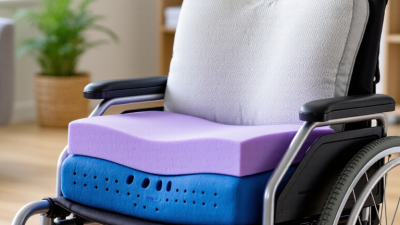
ROHO cushions use interconnected air cells to support pressure redistribution and immersion. However, no single model suits every user. A high-profile cushion may offer deeper immersion, while a low-profile design can support easier transfers. ISO 16840-2 provides a recognized method for evaluating wheelchair seating interface pressure, but laboratory results cannot replace clinical judgment. That limitation deserves attention.
This guide compares leading roho cushions for international buyers. It considers pressure management, adjustability, durability, maintenance, shipping practicality, and user support. Commercial market reports, including analyses from Grand View Research, indicate continued growth in wheelchair cushion demand, although market estimates differ by methodology. Buyers should verify certification, warranty terms, replacement parts, and local service availability. The cheapest option may become expensive after one damaged valve or poorly explained setup. That is an uncomfortable reality. Reliable decisions require evidence, user experience, and careful fitting rather than brand reputation alone.
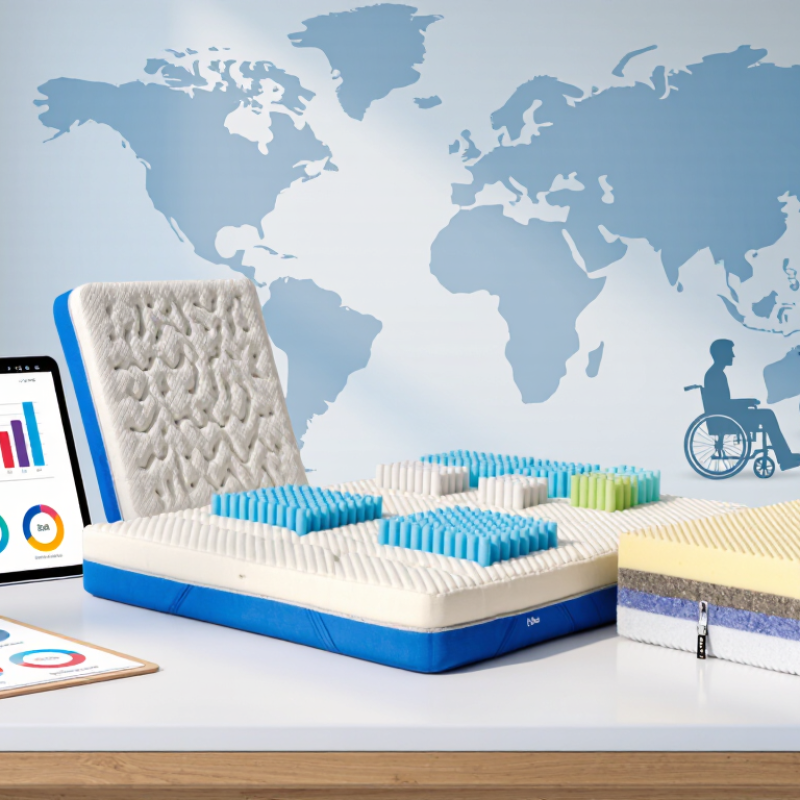
ROHO Cushion Basics: Design, Materials, and Pressure Management
For global buyers, cushion selection starts with pressure management, not appearance. WHO and UNICEF reported in 2022 that more than 2.5 billion people need assistive products worldwide. That need may reach 3.5 billion by 2050. A wheelchair cushion must support posture, limit tissue loading, and remain stable during daily movement.
Common designs use air cells, molded foam, gel, or layered materials. Air systems can adapt closely around the pelvis, but they require regular inflation checks. Foam offers predictable support and simpler maintenance. Gel can improve immersion, although weight and temperature may become practical concerns. The NPIAP 2019 clinical guidelines emphasize individualized risk assessment and pressure redistribution. No cushion works equally well for every body.
Tips: Check pelvic alignment, sitting tolerance, transfer habits, and cleaning requirements. Use pressure mapping when trained professionals are available. It can reveal high-load areas beneath the pelvis, but it does not replace clinical judgment. Measure the wheelchair width carefully. A cushion that is too wide may reduce lateral support. A cushion that is too narrow may create edge pressure.
Material claims deserve skepticism. “Pressure relieving” does not mean injury-proof. ISO 16840-2 testing can help compare wheelchair cushion performance, yet laboratory results may not mirror a user’s home, climate, or work routine. I have found that maintenance is often underestimated. Small leaks, compressed foam, or a loose cover can quietly change support. Reassessment remains necessary.
When global buyers compare air-cell wheelchair cushions, comfort is only one part of the decision. The cushion should match the user’s width, posture, weight, and daily sitting time. An incorrect size may create pressure points near the hips or thighs. It may also reduce stability during transfers. Adjustable air cells can support pressure redistribution, but they require careful inflation. Too much air can feel unstable. Too little can reduce support.
Compare the cell height, air-adjustment method, cover fabric, and base stability. A washable, breathable cover is useful in warm climates and busy care settings. Check whether replacement valves, pumps, and covers are available in the destination market. Import documentation, warranty terms, and user instructions should be clear. These details often matter more than attractive product photos. Buyers should also review testing information and seek guidance from a qualified seating specialist, especially for users with limited sensation or previous skin damage.
Tips: Measure the wheelchair seat first. Do not guess the cushion size. Test the sitting position with normal clothing and foot support. Inspect air pressure regularly, including after temperature changes. A lower price may seem practical, but difficult maintenance can increase long-term costs. I would also compare the return process before ordering. It is easy to overlook this detail. No cushion suits everyone, and even professional recommendations may need adjustment after real-world use.
For global buyers, the best cushion type depends on posture, skin condition, body weight, and daily routine. Air-cell cushions offer adjustable immersion and pressure distribution for users at risk of skin breakdown. They can feel unstable at first, especially during transfers. A firm foam base may improve balance for active wheelchair users.
Bariatric air cushions provide a wider support area and stronger weight capacity. Pediatric cushions need smaller dimensions, gentle contours, and room for growth. Lightweight travel cushions suit frequent flights, taxis, or temporary seating. They are convenient. However, thin models may provide less protection during long sitting periods.
Tips: Measure the wheelchair seat before ordering. Check the user’s weight range and inflation method. Ask a qualified clinician to assess posture and pressure risks. After fitting, inspect the skin regularly and adjust air levels gradually. A small pressure gauge can improve consistency. Real-world comfort may differ from product data. Some users need several adjustments before finding stable support. Personal trials are valuable, but they should not replace professional assessment.
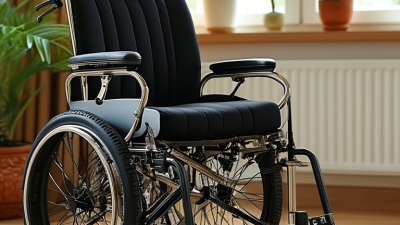
Matching an air-cell wheelchair cushion to the user matters more than choosing the most expensive model. Start with wheelchair width, seat depth, and the user’s sitting posture. A cushion that is too wide may shift during transfers. One that is too short can leave the thighs unsupported. Measure the chair, not just the user.
Body Support Body support needs careful observation. For a user with pelvic asymmetry, adjustable air cells may provide better pressure distribution than a flat foam surface. Check whether the cushion supports the pelvis without forcing the hips forward. The user’s feet should remain stable, while the knees stay close to a natural angle. Small changes matter. A few centimeters can affect balance.
During practical fitting, a seating specialist should inspect skin condition, movement, and transfer habits. Use pressure-mapping data when available, but do not treat it as the only answer. Comfort after ten minutes may differ from comfort after six hours. Recheck inflation regularly, especially after air travel, temperature changes, or seasonal use. Buyers should request cleaning instructions, repair support, load limits, and conformity documents from suppliers. These details are easy to overlook.
There is no perfect cushion for every wheelchair. Some users need firmer lateral stability. Others need softer immersion. The first choice may need adjustment. That is not failure; it is useful feedback.
Global buyers should assess air-cell wheelchair cushions by fit, clinical need, and service access. The World Health Organization’s 2022 global report estimates that 1.3 billion people live with significant disability. That scale makes dependable seating equipment and replacement planning essential.
Before purchase, confirm seat width, depth, user weight, pelvic stability, and transfer habits. A qualified wheelchair clinician or seating technician should check immersion and posture. NPIAP, EPUAP, and PPPIA guidelines support individualized pressure-injury prevention, regular skin inspection, and appropriate support surfaces. Comfort alone is not enough. A cushion may feel soft but still allow bottoming out during long sitting.
Maintenance requires a simple routine. Check inflation each day, especially after air travel, temperature changes, or heavy transfers. Inspect valves, seams, and the cover for slow leaks. Clean with mild soap and water, then air-dry completely. Avoid sharp objects, direct heaters, and harsh solvents. Keep a compatible repair kit and a manual pump nearby. Local technical support matters more than a low purchase price. Import delays can leave a user without safe seating. There is no universal replacement date. Replace the cushion after persistent leakage, damaged cells, valve failure, material cracking, or changed clinical needs. Reassess after weight change or surgery. A perfect schedule does not exist. That is the uncomfortable part. Record inspections, repairs, and skin responses for safer decisions.
A practical comparison of air-cushion configurations, sizing, care requirements, purchasing considerations, and replacement indicators
| Cushion Category | Typical User Profile | Common Size Range | Typical Construction | Primary Benefits | Buying Considerations | Routine Maintenance | Replacement Indicators |
|---|---|---|---|---|---|---|---|
| Low-Profile Air Cushion | Users who need a lower seating height, easier transfers, or improved foot contact with the floor. | Approximately 38–51 cm wide × 38–51 cm deep; height commonly under 8 cm when inflated. | Interconnected air cells with a sealed air chamber and adjustable inflation valve. | Low weight, easy portability, pressure redistribution, and a relatively stable seating position. | Confirm wheelchair seat width and depth; allow room for the cover and avoid excessive overhang. | Check inflation and valve security daily; inspect for punctures weekly; clean the cover according to its care label. | Persistent air loss, damaged cells, cracked valve components, or loss of the original cushioning response. |
| High-Profile Air Cushion | Users who require more immersion, air volume, and pressure redistribution than a low-profile design can provide. | Approximately 38–51 cm wide × 38–51 cm deep; height commonly 8–10 cm when inflated. | Higher air cells or a deeper interconnected air-cell structure. | Greater immersion, enhanced pressure redistribution, and better accommodation of some postural needs. | Check the available seat-to-floor height, transfer ability, cushion dimensions, and compatibility with the wheelchair. | Perform a daily pressure and position check; keep the air cells free from sharp objects and excessive heat. | Repeated under-inflation, inability to maintain pressure, torn cell seams, or changes in seating stability. |
| Contoured Air Cushion | Users who need additional pelvic positioning, lateral stability, or improved contact with the cushion surface. | Usually available in standard wheelchair widths; exact dimensions vary by contour and seating system. | Air cells combined with a contoured base, positioning features, or a shaped cover. | Improved pelvic alignment, better lateral support, and more consistent positioning for daily use. | Professional seating assessment is recommended; verify the contour, usable seat depth, and cover orientation. | Check that the cushion is correctly oriented each day; inspect the base, cover, and valve during weekly cleaning. | Persistent pelvic sliding, structural deformation, torn cover, damaged base, or inability to achieve the prescribed position. |
| Modular or Zoned Air Cushion | Users with asymmetric posture, different pressure needs across body regions, or complex seating requirements. | Commonly offered in wheelchair-compatible widths and depths; dimensions depend on the number of zones. | Separate or adjustable air zones that can be tuned for different anatomical areas. | More precise pressure management and the ability to adjust support by body region. | Confirm the number of valves, adjustment method, spare-part availability, and local service support. | Check each zone individually; label valves if necessary; inspect for uneven inflation and slow leaks. | One zone repeatedly loses air, a valve cannot be adjusted, or the cushion no longer supports the prescribed posture. |
| Paediatric Air Cushion | Children and smaller users who require a suitable seat width, depth, and lower overall cushion volume. | Commonly below adult wheelchair dimensions; measure the child and wheelchair rather than relying on age alone. | Smaller interconnected air cells with an appropriately scaled cover and valve arrangement. | Reduced risk of oversized support surfaces, lower weight, and easier integration with paediatric seating. | Measure growth-related changes regularly; confirm that the cushion does not restrict foot support or transfers. | Check fit and inflation daily because growth and activity can quickly change seating requirements. | Outgrown dimensions, insufficient pelvic support, damaged cover, or a seating posture that can no longer be maintained. |
| Bariatric-Size Air Cushion | Larger users who need a wider seating surface and a cushion designed for the intended load range. | Often wider or deeper than standard wheelchair sizes; exact dimensions and load limits vary by model. | Expanded air-cell layout, reinforced cover, or a larger support surface. | Broader contact area, improved comfort, and better fit when standard dimensions are insufficient. | Verify the manufacturer’s stated weight capacity, wheelchair frame width, transport access, and cover durability. | Inspect seams and valves frequently; ensure the cushion is fully supported across its entire base. | Visible stretching, damaged seams, bottoming out, repeated leakage, or use beyond the stated load capacity. |
| Travel or Backup Air Cushion | Users who need a lightweight secondary cushion for travel, emergency replacement, or temporary seating. | Usually selected to match the primary wheelchair seat; compact storage dimensions vary. | Lightweight air-cell structure with a removable cover and manual inflation valve. | Easy to carry, suitable for travel, and useful as a contingency option. | Check folded dimensions, carrying weight, inflation time, airline or transport requirements, and storage protection. | Inflate and inspect before every trip; store dry and away from sharp objects, oils, and prolonged direct sunlight. | Slow inflation, leakage during storage, unavailable repair components, or damage discovered before travel. |
| Global Buying Checklist | Applicable to international buyers, distributors, clinics, and wheelchair users purchasing across borders. | Match the cushion width and depth to the actual wheelchair seat; do not select by nominal size alone. | Consider cushion type, cover, valve design, repair kit, and included inflation equipment as one package. | Reduces sizing errors, shipping problems, fitting delays, and unexpected maintenance costs. | Confirm metric dimensions, local import rules, warranty coverage, replacement-part access, delivery time, and return conditions. | Request care instructions in the user’s language and keep a record of purchase date, size, and inspection results. | Replace when safe performance cannot be restored through approved repair, adjustment, or cover replacement. |
| Recommended Inspection Schedule | All users of adjustable air cushions. | Applies regardless of cushion width or depth. | Visual inspection, pressure check, valve check, cover inspection, and surface cleaning. | Helps identify slow leaks, incorrect inflation, contamination, and wear before they affect seating. | Use the manufacturer’s instructions for the exact inflation method and pressure-setting procedure. | Daily: pressure and position Weekly: leak and cover check Monthly: detailed condition review |
Escalate inspection frequency after heavy use, transport, accidental puncture, exposure to moisture, or a change in the user’s posture. |
Important: Dimensions, height, weight capacity, inflation settings, cleaning methods, and warranty terms vary by model. Buyers should verify the current technical specification and obtain a professional seating assessment when pressure management or postural support is clinically important.