Celebrating 45 Years of clinical innovation, comfort, and caregiver support at Broda.
Explore the Legacy!A shower commode combines toileting support, bathing access, and safer movement in one mobility device. It may look simple, but its design solves several daily challenges. A user can sit securely, roll into a suitable shower area, and reduce unnecessary transfers. Some models also include a removable commode opening, locking casters, arm supports, and adjustable footrests.
Dr. Rory Cooper, a leading wheelchair and accessibility expert, says, “The wheelchair is not a prison; it is a vehicle to freedom.” That principle also applies to a shower commode. The right equipment should support choice, dignity, and practical independence. It should not make the bathroom feel like a clinical room.
How does a shower commode work? Its frame supports the user during bathing and toileting. Locking wheels keep the chair stable during use. A padded seat can improve comfort, while a sliding or removable armrest may simplify transfers. The commode pan collects waste when direct bathroom access is unavailable. Not every model performs equally well.
Fit matters most.
Seat width, height, weight capacity, and bathroom clearance must match the user and space. Caregivers should also check transfer methods, wheel locks, skin protection, and cleaning requirements. A technically advanced chair can still fail in a cramped bathroom. That is an easy detail to overlook.
This guide explains the main types, operating features, safety considerations, and selection questions. It also examines common mistakes, because real bathrooms are rarely perfect. Sometimes, the best choice is not the most expensive one.
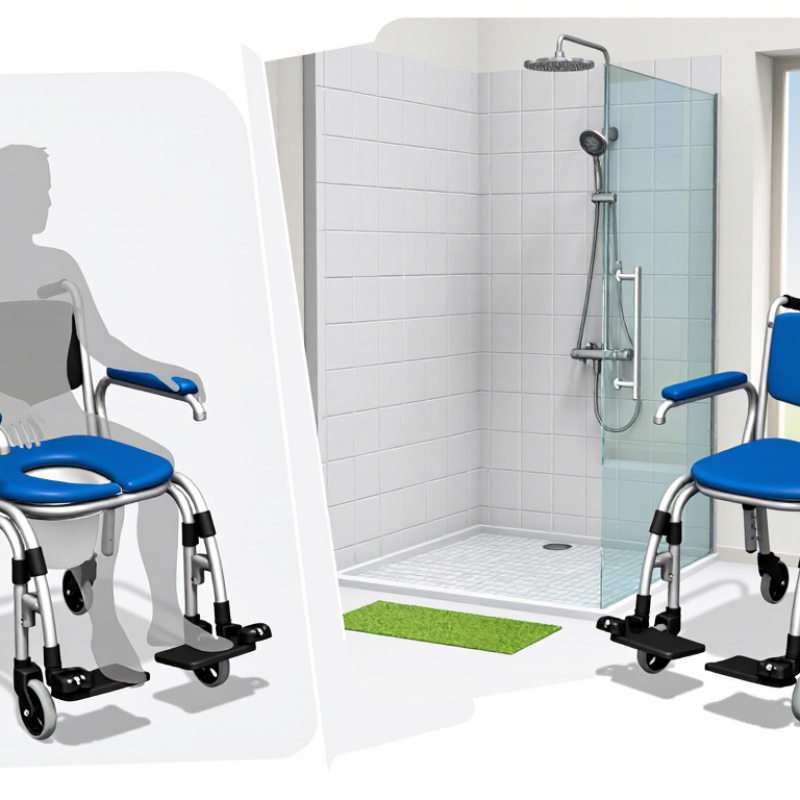
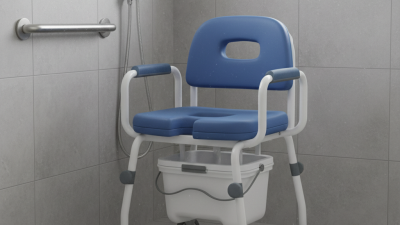
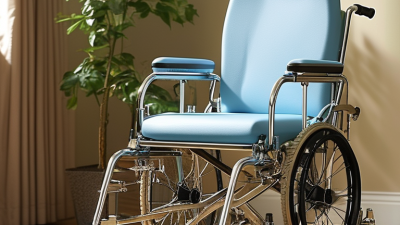
A shower commode is a wheeled, waterproof chair designed for toileting and bathing. It usually includes a seat opening, arm supports, footrests, and lockable casters. The chair can move between a bed, toilet, and shower area, reducing unnecessary transfers. Its purpose is practical: to support people with limited balance, strength, or mobility during personal care.
The need is substantial. The World Health Organization and UNICEF reported in the Global Report on Assistive Technology that more than 2.5 billion people currently need at least one assistive product. This number may reach 3.5 billion by 2050. The U.S. Centers for Disease Control and Prevention also reports that more than one in four adults aged 65 and older falls each year. A shower commode cannot remove every risk. It can, however, create a more stable sitting position on wet surfaces.
Good use depends on correct fitting and preparation. Lock the casters before transfers. Keep the floor clear. Check that the seat height allows the user’s feet to rest securely. A caregiver may need to guide the chair, but should avoid pulling the user by the arms. This detail is often missed. Users should also inspect brakes, frame joints, and the seat opening regularly. The chair must fit the bathroom, the user, and the transfer method. One design will not suit everyone. A qualified occupational therapist or healthcare professional can assess posture, weight capacity, skin protection, and caregiver technique before use.
A shower commode combines a bathing chair and a toileting aid in one movable frame. Its main structure usually includes a corrosion-resistant metal frame, a waterproof seat, armrests, a backrest, and a removable collection pan. The seat opening must align with the pan without sharp edges. Small details matter. Rounded surfaces reduce skin contact pressure and simplify cleaning. Height-adjustable legs can position the seat over a toilet or beside a bed. However, adjustment mechanisms may loosen over time, so routine inspection remains essential.
Swivel casters support movement across wet floors, while independent locking brakes help stabilize the chair during transfers. Footrests should swing away or detach, giving the user clearer access from the side. Padded armrests may improve comfort, but excessive padding can absorb moisture and complicate sanitation. The CDC reports that more than 14 million older adults fall each year in the United States, making transfer stability a practical safety concern. The World Health Organization also identifies falls as a major source of injury among older adults. These figures support stronger attention to brakes, seat height, and caregiver reach. Still, no design fits every body or bathroom. A narrow frame may improve access, yet reduce lateral stability. Professional assessment is wise, especially when users have weak balance or limited trunk control.
| Component or Design Feature | Typical Construction or Specification | How It Works | Primary Benefit | Important Safety or Care Consideration |
|---|---|---|---|---|
| Integrated Seat | Contoured, water-resistant seat with an opening or removable section | Supports the user while bathing and allows water to drain below the body. | Combines shower seating with toileting functionality in one device. | Choose a seat width and shape that provide stable, comfortable support without restricting transfers. |
| Commode Opening | Central opening positioned above a removable collection pan or toilet | Allows waste to pass through the seat rather than requiring the user to stand or transfer again. | Helps users with limited mobility maintain greater privacy and reduce transfer demands. | The opening and surrounding surfaces should be cleaned and disinfected after use according to the care instructions. |
| Collection Pan or Bucket | Removable, corrosion-resistant pan or bucket with a handle | Catches waste when the chair is used away from a fixed toilet. | Enables toileting in bedrooms, bathrooms, or other suitable locations. | Secure the pan fully before use, empty it promptly, and check for cracks or loose fittings. |
| Water-Resistant Frame | Commonly formed from coated steel, stainless steel, or reinforced polymer components | Provides the structural base for the seat, backrest, arm supports, and wheels. | Allows the chair to be used in wet environments while supporting routine cleaning. | Inspect joints, welds, coatings, and fasteners for corrosion, looseness, or damage. |
| Height Adjustment | Telescoping legs or indexed adjustment holes; many models offer approximately 45–55 cm seat height | Changes the seat height to improve foot contact, transfer alignment, or clearance over a toilet. | Supports safer transfers and can accommodate different users and bathroom layouts. | All legs must be adjusted to the same height, and adjustment pins must be fully engaged before use. |
| Castor Wheels | Four swivel castors, often with a diameter of approximately 10–12.5 cm | Allow the chair to roll over suitable indoor surfaces and pivot in confined spaces. | Improves maneuverability during transfers and shower positioning. | Wheels are intended for controlled indoor movement; uneven thresholds, loose mats, and wet floors can increase risk. |
| Wheel Locks | Individually operated parking brakes on some or all castors | Pressing the brake prevents the wheels from rolling or swiveling while the user transfers or showers. | Improves stability when the chair is stationary. | Engage the brakes on a level surface and test that the chair does not move before transferring. |
| Armrests | Fixed, removable, swing-away, or flip-back supports with padded or molded surfaces | Provide lateral support and a surface for pushing during transfers, depending on the design. | Can improve positioning, comfort, and transfer access. | Do not use armrests as the sole lifting point unless the instructions specifically permit it. |
| Footrests | Fold-up, swing-away, detachable, or height-adjustable foot supports | Support the lower legs and help keep the feet clear of wheels during movement. | Improves posture and reduces the chance of the feet contacting the floor or obstacles. | Footrests should be moved aside during transfers when appropriate and should not be used to stand on. |
| Backrest and Postural Support | Water-resistant back panel, tension upholstery, or contoured support | Helps maintain an upright sitting position during showering and toileting. | May reduce fatigue and improve comfort during longer periods of use. | Postural needs vary; users requiring specialized trunk support may need professional assessment. |
| Shower Compatibility | Open, washable surfaces and drainage-friendly construction | Water flows around the user and drains toward the shower floor or a suitable drainage system. | Permits bathing without transferring to a separate shower chair. | Keep the shower area free of loose items and confirm that the floor provides adequate traction. |
| Transfer Clearance | Open sides, removable armrests, or swing-away components on selected designs | Creates space for lateral, standing, or assisted transfers according to the user's abilities. | Can reduce the distance and effort required to move between surfaces. | Transfer method should be selected with a qualified caregiver or clinician when balance or strength is limited. |
| Load Capacity | Common rated user capacities range from approximately 100 to 160 kg, depending on construction | Defines the maximum user weight the chair is designed to support under stated conditions. | Provides a measurable basis for selecting an appropriate model. | Never exceed the manufacturer's stated weight limit, and account for movement and accessories where applicable. |
| Drainage and Hygiene Surfaces | Smooth, non-absorbent surfaces with limited dirt-trapping gaps | Allow water and cleaning solution to run off rather than soaking into upholstery or exposed materials. | Helps control odor, residue, and microbial contamination when maintained properly. | Rinse away soap residue, dry the chair, and follow the recommended disinfectant compatibility guidance. |
| Overall Operating Principle | Mobile wheeled frame combined with a shower seat and commode system | The user sits securely while the chair is positioned over a shower area, floor drain, or toilet, depending on the design and setting. | Reduces the number of transfers required for bathing and toileting. | A shower commode is not automatically safe for every user; assessment of posture, transfers, bathroom layout, and caregiver support is essential. |
Note: Dimensions, weight capacities, and operating features vary by design. Always verify the product's instructions, inspect the chair before use, and seek professional guidance when the user has significant balance, posture, or transfer limitations.
A shower commode combines a waterproof seat, arm supports, wheels, and a toilet opening. It helps people shower and manage toileting with fewer transfers. The process begins with a professional fit check. An occupational therapist or trained caregiver should assess posture, weight capacity, bathroom space, and transfer ability. This matters because CDC data reports that more than one in four adults aged 65 and older falls annually.
The user transfers onto the locked commode beside the bed or bathroom. The caregiver checks that both rear brakes are engaged. Feet rest on the footplates, or remain supported safely during a supervised transfer. The commode then moves slowly over a level surface. Thresholds can create sudden jolts.
In the shower, the caregiver locks all wheels again before water starts. A handheld showerhead reaches the back, legs, and skin folds more easily. Warm water should be tested against the user’s hand first.
After washing, the caregiver dries the skin carefully, especially beneath the thighs and around the opening. The pan or drainage system is removed, emptied, and disinfected according to facility instructions.
WHO and UNICEF’s Global Report on Assistive Technology estimates that over 2.5 billion people need assistive products worldwide. Access alone is not enough. Poor positioning, wet floors, or rushed transfers can still cause harm.
In practice, the routine may need adjustment. The “perfect” setup is rarely perfect on the first attempt.
A shower commode is a wheeled chair designed for bathing and toileting. It usually has a waterproof seat, a supportive backrest, arm supports, and an opening beneath the user. Some models can roll over a toilet, while others use a removable container. Locking casters help keep the chair still during transfers. The design reduces the need to walk between the bedroom, bathroom, and shower.
People with weak balance, limited leg strength, or reduced coordination may benefit from using a shower commode. It can help older adults who feel unsteady on wet floors. It may also support people recovering from surgery, living with paralysis, or managing conditions that cause fatigue. Caregivers can assist from a safer position instead of lifting someone across a slippery bathroom. This matters. A small bathroom can make transfers difficult.
A shower commode is not automatically suitable for everyone. The user’s weight, hip width, posture, and transfer ability should match the chair’s specifications. A healthcare professional or occupational therapist can assess these needs. In practice, the first transfer may feel awkward, even with help. That is worth acknowledging.
Users may need time to learn how to position their feet, lock the wheels, and use the arm supports. The chair should be checked regularly for loose parts, damaged padding, and poor stability. Clean surfaces also reduce hygiene concerns, but cleaning routines must follow the equipment instructions.
A shower commode combines a wheeled shower chair with an opening and removable toileting pan. It supports users who cannot safely stand, pivot, or reach a bathroom independently. The World Health Organization reports about 684,000 fatal falls worldwide each year, with adults over 60 facing the greatest risk. A stable commode can reduce unnecessary transfers, but it cannot replace trained assistance.
Safety begins before entering the bathroom. Lock all casters, check the footrests, and confirm the user’s weight stays within the equipment rating. Keep the floor clear and use warm, not hot, water. Caregivers should support transfers according to the person’s strength and balance. Never leave a high-risk user alone. Small oversights matter.
Hygiene depends on consistent cleaning. Remove the pan promptly, empty it carefully, and disinfect every surface that contacts skin or waste. Follow the disinfectant’s required contact time; wiping too quickly may leave pathogens behind. The CDC recommends cleaning and disinfecting frequently touched healthcare surfaces according to product instructions. Rinse soap residue from the frame, then dry joints, upholstery, and casters completely. Moisture encourages odor and corrosion. Inspect bolts, brakes, seams, and cracks before each use. Replace damaged parts rather than improvising repairs. CDC data estimates that more than 3 million older adults receive emergency treatment for falls annually in the United States. That figure makes routine checks feel less optional. Still, equipment alone is not enough. A rushed caregiver can create the very risk the commode was meant to reduce.