Celebrating 45 Years of clinical innovation, comfort, and caregiver support at Broda.
Explore the Legacy!A chair can feel comfortable at first, then become tiring after an hour. The seat may be firm, flat, or simply a poor fit. An air cushion for chair use offers a practical way to adjust the sitting surface. Its flexible air chamber shifts slightly as you move, rather than holding one rigid shape. Some models let you add or release air, making it easier to change firmness at home or work.
Small details matter. A cushion that is too full may feel unstable. One that is too soft can compress until it offers little support. Check its dimensions, valve design, cover, and stated weight limit before buying. Then test it for short periods and make gradual adjustments. A textured cover may help reduce slipping, while a removable cover can simplify cleaning. Features differ between products, so read the manufacturer’s instructions instead of assuming every cushion works the same way. A few minutes of testing can be more useful than guessing from a product photo.
An air cushion is not a cure-all. It cannot fix every chair, posture, or source of discomfort. People who sit for long stretches may also benefit from standing, changing position, and adjusting chair height. If discomfort persists or worsens, consult a qualified health professional. Comfort is personal. What helps one person may not help another, a point that is easy to overlook when shopping. This guide explores why people choose air cushions, what to check, and where their limits begin.
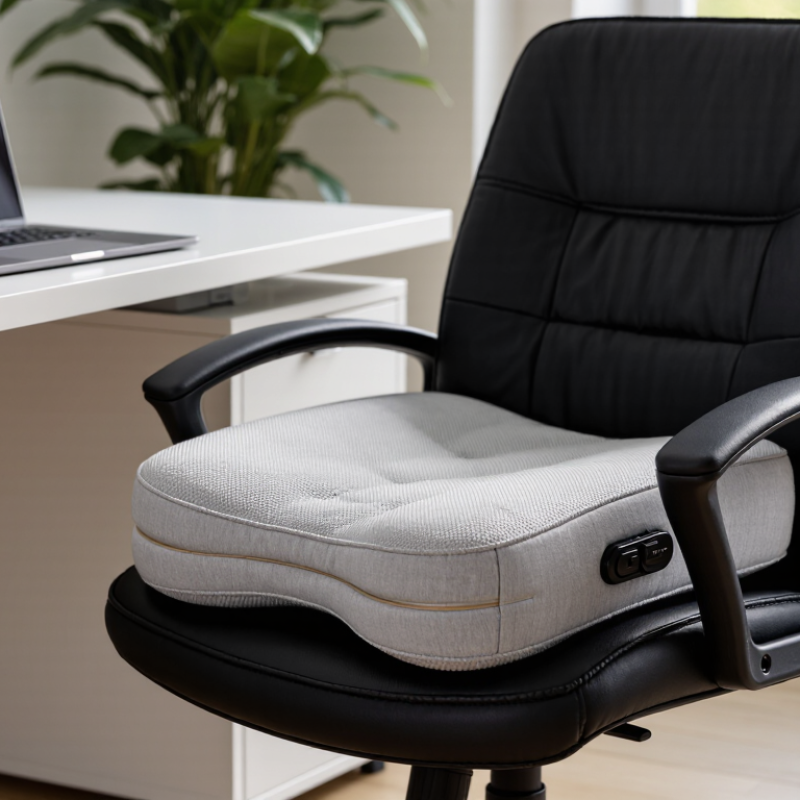
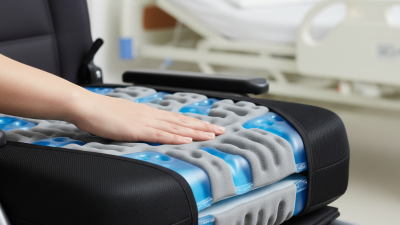
An air cushion for a chair is a seat pad with one or more flexible chambers filled with air. Unlike a solid foam pad, it changes shape slightly as you sit. Some designs use connected air cells; others have a single chamber and a valve for adding or releasing air. The surface may feel gently springy, not like sitting on a balloon.
The cushion’s purpose is to spread sitting pressure across a wider area. When you shift your weight, air moves within the chamber, allowing different parts of the seat to respond. That can make long periods at a desk or in a wheelchair more comfortable for some people. It may also help reduce pressure on sensitive areas, but fit and inflation matter. Too much air can make the seat unstable. Too little can let you sink through to the chair beneath.
A useful cushion should sit flat and stay in place. Check its size against the chair, and follow the maker’s instructions for inflation and cleaning. Small adjustments can change the feel. Still, an air cushion is not a cure for pain or a substitute for professional advice when discomfort persists. It can take a few tries to find a comfortable setting.
An air cushion supports sitting by allowing its sealed cells to move slightly as your weight shifts. This can spread pressure across a wider area and adapt around the pelvis, rather than pushing against one rigid surface. Small shifts matter. The cushion may also soften the feel of a hard chair, but comfort alone does not confirm good support. If it is overinflated, it can feel unstable; if underinflated, the pelvis may sink too far. Fit matters, and so does adjusting the cushion to the person and chair.
Research offers useful context, but not a blanket promise. In a 2010 randomized trial of 232 nursing-home wheelchair users, pressure ulcers developed in 0.9% of participants using skin-protection cushions, compared with 6.7% using segmented-foam cushions over six months (Brienza et al., Archives of Physical Medicine and Rehabilitation). The study tested a category of cushions, not air cushions alone, so its results should not be treated as proof that every air design works equally well. A cushion also cannot replace breaks from sitting or a well-adjusted chair. It is worth checking whether your feet rest comfortably and whether pressure builds in one spot; a plush surface can still be the wrong fit.
An air cushion may help when a firm chair creates a sharp pressure point beneath the hips or tailbone. Its flexible air cells can spread contact across a wider area, though the result depends on cushion shape, inflation, and fit. Too much air can feel unstable; too little may let the seat bottom out. Small details matter, like whether your feet rest flat or the cushion lifts your thighs against the chair edge. Comfort is personal, not guaranteed.
The need is common in long sitting sessions. A 2008 American Journal of Epidemiology study estimated that U.S. adults spent about 7.7 hours a day sedentary, based on activity-monitor data. That figure describes a population, not a required cushion use time. For wheelchair users, RESNA seating guidance also emphasizes regular pressure relief; a cushion does not replace movement or individualized assessment. A modest improvement, perhaps less soreness during desk work, may still be useful. I would not treat it as a cure for pain. Persistent discomfort or skin changes call for professional advice.
Which sitting needs might an air cushion address?
Air cushions may help distribute sitting pressure and add cushioning on firm seats. Suitability depends on the cushion’s design and the person’s needs. Scores are qualitative illustrations, not clinical measurements or product-performance data.
An air cushion can make a firm chair feel less harsh by adding a flexible layer beneath the hips. Its shifting air may reduce concentrated pressure during ordinary sitting, while allowing small posture changes. The effect depends on the cushion’s shape, firmness, and the user’s body. A cushion is not a guaranteed fix for pain or a substitute for clinical advice. Not always.
There are trade-offs. An overinflated cushion can feel unstable, and a soft one may let the hips sink too far. Some designs need occasional adjustment or inflation. They can also raise the seat height, leaving feet dangling or knees at an awkward angle. Fit matters. A cushion that slides, bunches, or presses against the chair edges can distract more than it helps. People with persistent discomfort, reduced sensation, or specific seating needs should ask a qualified health professional for guidance.
Tips: Start with moderate firmness, then adjust in small steps. Sit for 20 to 30 minutes and notice whether your feet rest flat and your hips feel level. Check that the cushion stays in place when you shift. Keep the chair’s back support usable; adding a cushion can change your posture. It may take a few tries to find a comfortable setup.
Choosing an air cushion starts with the chair and the person using it. Measure the seat, and check the cushion’s size and weight limit. A cushion that overhangs the seat may shift or feel unstable. Look for a cover that stays in place and can be cleaned easily. If the cushion is for pressure relief, ask a healthcare professional to help select one suited to your needs. Air cushions are not all the same.
Inflate it according to the instructions, then sit down and check how your weight settles. You should feel supported, not perched on a firm balloon. Small adjustments matter. It may take a few tries to find a comfortable level, and more air is not always better.
Keep the valve accessible, check for leaks, and make sure the cushion does not slide when you sit or stand. Recheck inflation regularly, especially after moving the cushion or changing rooms. Stand up carefully.
If you notice new pain, numbness, skin redness that does not fade, or reduced stability, stop using it and seek professional guidance. An air cushion can help with comfort, but it does not replace position changes or movement.