Celebrating 45 Years of clinical innovation, comfort, and caregiver support at Broda.
Explore the Legacy!What Are the 2026 Best Pressure Cushions for Elderly?
Choosing the 2026 best pressure cushions for elderly users requires more than comparing prices or star ratings. Comfort, pressure redistribution, stability, breathability, and daily maintenance all matter. A cushion that feels soft in a shop may create heat after several hours. It may also shift when someone transfers from a wheelchair or dining chair.
This guide examines pressure cushions for elderly adults with practical care needs in mind. We consider memory foam, gel, air-cell, and hybrid designs. Each option has different strengths. Some cushions support longer sitting, while others suit occasional use. A washable cover can be surprisingly important. So can a non-slip base. Small details often affect whether an older person uses the cushion consistently.
Clinical advice should remain part of the decision. People with limited mobility, fragile skin, reduced sensation, or existing pressure injuries may need professional assessment. No cushion removes every pressure-related risk. Regular repositioning and skin checks still matter. That point is easy to overlook. Product testing also has limits, because comfort depends on body shape, posture, chair design, and personal preference. Therefore, the “best” choice is not universal. It should match the user’s weight, mobility, sitting duration, and care routine. We will compare useful features honestly, including drawbacks, maintenance demands, and situations where a cushion may not perform as expected.
What Makes a Pressure Cushion Suitable for Elderly Users in 2026?
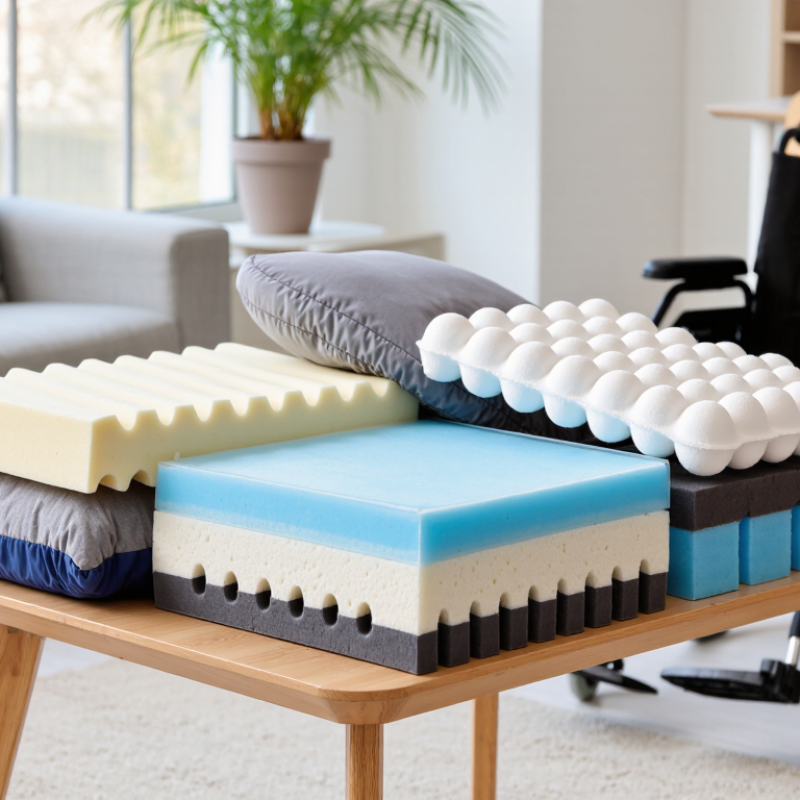
A pressure cushion for elderly users in 2026 should support comfort, posture, and daily independence. It must spread body weight instead of creating hard pressure points beneath the hips or thighs. A stable base matters, especially for users who transfer from a chair frequently. The cover should feel soft, resist moisture, and allow airflow. Small details matter.
Cushion height also affects safety. If it raises the user too much, feet may lose firm contact with the floor. That can increase sliding and reduce transfer confidence. A suitable cushion should match the chair, body size, weight, and sitting duration. Memory foam, air cells, and layered materials can perform differently. None is perfect. Professional fitting remains important.
Caregivers should check the skin after extended sitting, especially around the tailbone, hips, and thighs. Redness that does not fade needs attention from a healthcare professional. A washable cover supports hygiene, while a lightweight design helps with travel and cleaning. Some newer models include pressure-monitoring features, but data cannot replace direct observation. Older users may also dislike complex controls. Simplicity often works better. A physiotherapist or occupational therapist can review posture, cushion thickness, and transfer technique. Even a well-designed cushion may fail when it slides, compresses unevenly, or stays damp.
What Are the 2026 Best Pressure Cushions for Elderly? - What Makes a Pressure Cushion Suitable for Elderly Users in 2026?
| Cushion Type | Best Suited For | Pressure Redistribution Method | Typical Thickness | Typical Weight Capacity | Main Advantages | Important Limitations | Suitability for Elderly Users in 2026 |
|---|---|---|---|---|---|---|---|
| Contoured High-Resilience Foam | Older adults who need stable daily seating, postural support, and simple operation. | Contoured foam distributes body weight over a larger contact area and supports the pelvis and thighs. | 8–10 cm (3–4 in) | Approximately 100–150 kg (220–330 lb), depending on density and construction. | Good stability, no pump or inflation, relatively low maintenance, and easy transfers. | May retain heat; performance can decline when the foam becomes compressed or damaged. | Very suitable for independent users and everyday chairs when postural stability is important. |
| Air-Cell Cushion | Users at moderate to high risk of prolonged sitting pressure who can receive help with setup. | Interconnected air cells allow immersion and envelopment around bony areas, reducing concentrated loading. | 6–10 cm (2.5–4 in) | Approximately 100–150 kg (220–330 lb), subject to cell design and inflation settings. | Strong pressure redistribution, adjustable firmness, and relatively light weight. | Requires correct inflation, regular inspection for leaks, and may feel less stable during transfers. | Highly suitable when pressure management is the priority and a caregiver can check inflation. |
| Gel-and-Foam Hybrid | Older adults seeking a balance between pressure relief, comfort, and sitting stability. | A gel layer reduces shear and peak loading while the foam base provides support and shape retention. | 7–9 cm (3–3.5 in) | Approximately 100–160 kg (220–350 lb), depending on the base foam and gel insert. | Stable, comfortable, and generally easier to use than fully air-filled designs. | Heavier than basic foam; gel can become firmer in cold conditions and may retain heat. | Suitable for users who need dependable daily comfort without frequent adjustments. |
| Alternating-Air Cushion | Users with very limited mobility or prolonged sitting periods who have professional supervision. | An air pump periodically changes the inflation pattern to vary pressure across contact areas. | 8–12 cm (3–5 in) | Approximately 100–150 kg (220–330 lb), depending on the pump and air-cell system. | Provides dynamic pressure variation and can support users with prolonged sitting needs. | Needs power, pump maintenance, noise management, and careful positioning; less convenient for transport. | Conditionally suitable when recommended and monitored by a healthcare professional. |
| Viscoelastic Memory Foam | Older adults who prioritize cushioning comfort and need a low-maintenance solution. | Temperature-sensitive foam conforms to the body and helps spread pressure across the seating surface. | 7–10 cm (3–4 in) | Approximately 100–140 kg (220–310 lb), depending on foam density and construction. | Quiet, stable, easy to use, and does not require inflation or electrical power. | Can feel warm, may make transfers more difficult, and may not provide sufficient protection for high-risk users alone. | Suitable for lower-risk users, provided the cushion remains supportive and is inspected regularly. |
| Pressure-Relieving Modular Cushion | Users with asymmetry, pelvic instability, or changing postural requirements. | Replaceable or adjustable modules allow targeted support, contouring, and pressure redistribution. | 8–12 cm (3–5 in) | Approximately 100–160 kg (220–350 lb), depending on the module configuration. | Adaptable fit, improved positioning options, and the ability to modify support as needs change. | Usually costs more and should be fitted or adjusted by a trained seating specialist. | Highly suitable for complex seating needs when individualized assessment is available. |
Related Posts
-
Top 10 Pressure Cushions for Ultimate Comfort and Support?
-
2026 Best Pressure Cushions for Ultimate Comfort and Support?
-
What is a Pressure Relief Cushion and How Does It Work?
-
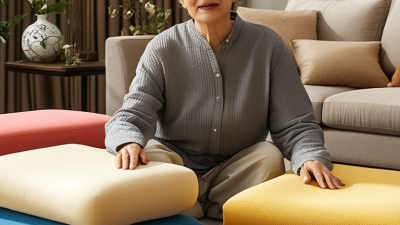
Top 5 Pressure Cushions for Elderly Comfort and Support?
-
Top 10 Benefits of Using a Geriatric Chair for Caregivers?
-
China Top Geri Chair Manufacturers and Suppliers?