Celebrating 45 Years of clinical innovation, comfort, and caregiver support at Broda.

Explore the Legacy!

Why Choose Pressure Relief Cushions for Global Buyers?

Why Choose Pressure Relief Cushions for Global Buyers?

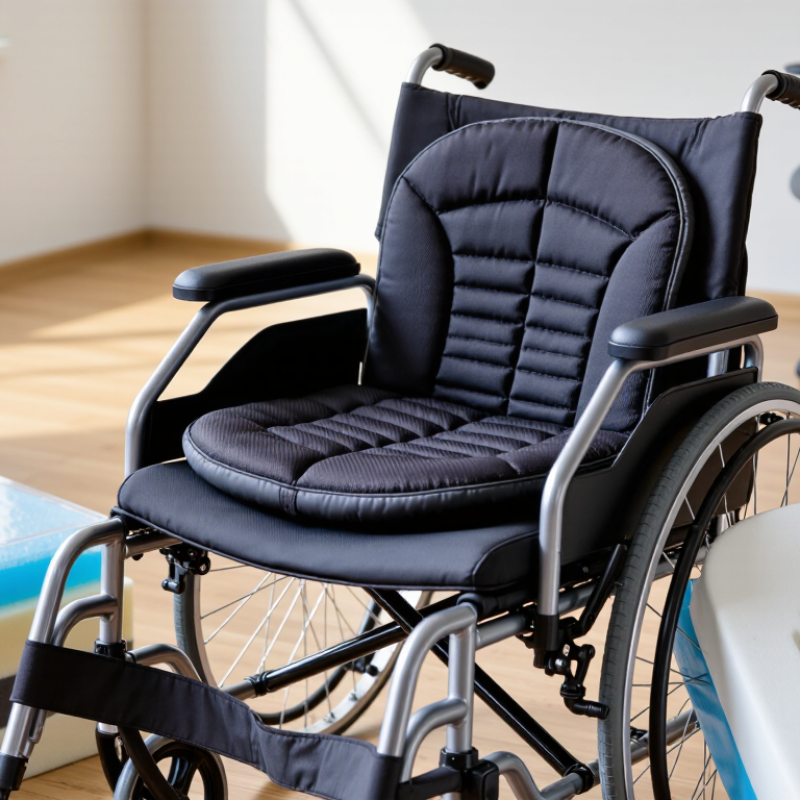
For global buyers, pressure relief cushions are more than soft seating accessories. They support comfort, posture, skin protection, and daily mobility. A well-designed cushion can reduce concentrated pressure beneath the pelvis during long periods of sitting. It may also improve stability on wheelchairs, office chairs, and rehabilitation seats.

Dr. Rory Cooper, a respected wheelchair seating researcher and founder of the Human Engineering Research Laboratories, has stated, “A wheelchair is not a chair; it is a mobility device.” His observation matters when evaluating cushions. The cushion becomes part of the user’s mobility system, not merely an added layer of foam. Buyers should examine pressure distribution, material resilience, cover breathability, cleaning requirements, and product testing. Details matter. A damp cover or flattened foam can change the user’s sitting experience within months.

International purchasing adds practical concerns. Buyers may need consistent product specifications, traceable materials, clear packaging, and dependable technical support. Test information, such as results related to pressure mapping or recognized wheelchair cushion standards, should be reviewed carefully. Marketing claims alone are not enough. Ask for evidence.

Still, no cushion suits every body, diagnosis, climate, or chair. One size never fits everyone. A heavier user may require different support from a lightweight user. A humid region may demand stronger moisture management. Some choices remain imperfect, especially when comfort, cost, durability, and shipping conditions compete. That uncertainty deserves honest discussion. By comparing verified performance with real user needs, global buyers can choose pressure relief cushions with greater confidence and fewer costly mistakes.
Why Choose Pressure Relief Cushions for Global Buyers?

What Are Pressure Relief Cushions and How Do They Work?

Why Choose Pressure Relief Cushions for Global Buyers?

Pressure relief cushions are seating products designed to reduce concentrated pressure beneath the body. They are commonly used in wheelchairs, office chairs, vehicle seats, and care environments. Their purpose is practical: improve comfort and support during prolonged sitting.

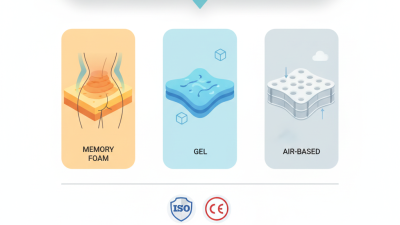
Most cushions use shaped foam, air cells, gel layers, or a combination of materials. These structures spread body weight across a larger surface area. They can also support posture and reduce pressure points around the pelvis and thighs. A well-designed cushion may include ventilation channels, a washable cover, and a stable base.

Small details matter. A slippery cover can reduce real-world performance.

The cushion works through immersion and envelopment. Immersion allows the body to sink slightly into the surface. Envelopment helps the material fit around the body instead of pressing against one small area.

However, results vary between users. Weight, sitting position, temperature, and daily use all affect performance. No cushion suits everyone.

Global buyers should check dimensions, load capacity, material safety information, cleaning instructions, and packaging quality. Local climate also matters. Humid regions may need breathable covers, while colder markets may prefer denser foam. Product claims should be supported by clear testing methods and realistic use instructions. In my experience, comfort cannot be judged from photographs alone. Sample testing remains important, although it adds time and cost.

Which Pressure Relief Features Matter to Global Buyers?

Global buyers look beyond a soft surface when choosing pressure relief cushions. They examine how evenly the cushion distributes body weight during long sitting periods. Fit matters. A suitable design should support the pelvis without forcing the user into an unnatural posture. Contoured foam, air cells, or layered materials can reduce pressure around sensitive areas, but performance depends on body shape, weight, and sitting duration.

Moisture control is another practical concern. Breathable covers and quick-drying fabrics help reduce heat and skin irritation in humid regions. The cover should also be removable, washable, and resistant to repeated use. Buyers should request clear information about foam density, weight limits, compression recovery, and material safety testing. Vague claims create unnecessary risk. Independent laboratory reports are more useful than attractive product descriptions.

Stability also matters in wheelchairs, office chairs, vehicles, and care environments. A non-slip base can limit movement, while a lightweight structure supports easier transport. For air-filled models, buyers should check valve quality and adjustment accuracy. Too much air may increase pressure instead of reducing it. Too little may weaken posture. There is no universal setting. In practical evaluations, small adjustments often change comfort significantly, so suppliers should provide clear fitting guidance and realistic testing instructions. One limitation is often overlooked: even a well-designed cushion cannot correct every seating problem. Regular posture reviews remain necessary.

How Do Cushion Materials and Designs Affect User Comfort?

Pressure relief cushions are chosen globally because comfort depends on more than softness. In practical seating assessments, material response often matters first. Memory foam spreads load slowly and supports stable posture. Gel layers reduce concentrated pressure around the hips. Air cells can adjust to different body shapes, but they need careful inflation. A cushion that feels soft in a showroom may feel warm after six hours.

Cover fabric changes the experience too. Breathable, washable textiles help manage heat and moisture. A firm, shaped edge can support transfers without collapsing. However, raised contours may restrict movement for some users. Flat designs feel less intrusive, yet they may provide less lateral stability. Small details matter. Zippers should not press into the skin. Seams need smooth finishing.

For international buyers, dimensions and maintenance deserve equal attention. A cushion should fit the chair without shifting during daily use. Non-slip bases improve stability, especially on smooth surfaces. Materials should be checked for durability, cleaning instructions, and relevant safety documentation. User weight, sitting duration, climate, and mobility needs all change the best choice. There is no universal “most comfortable” design. That assumption is tempting, but incomplete. In real use, comfort may decline when foam compresses or air pressure changes. Testing samples for several hours gives more honest evidence than a brief hand press.

Why Choose Pressure Relief Cushions for Global Buyers? – How Do Cushion Materials and Designs Affect User Comfort?
Material or Design Typical Technical Data Pressure-Relief Mechanism Comfort Advantages Potential Limitations Recommended Use Overall Comfort Suitability
High-Resilience Polyurethane Foam Typical density: 30–45 kg/m³
Medium to firm support
Good shape recovery
Distributes body weight across a wider contact area while maintaining stable support. Balanced cushioning, good breathability, moderate heat retention, and reliable long-term support. May feel firm for users who prefer a softer surface; performance depends strongly on foam formulation. Office chairs, vehicle seats, dining chairs, and general daily seating. Good
Viscoelastic Memory Foam Typical density: 45–85 kg/m³
Slow recovery
Usually medium-soft to medium-firm
Conforms to body contours and reduces concentrated loading around the hips and sitting bones. High conformity, soft initial feel, and effective contouring for users who remain seated for long periods. Can retain body heat, recover slowly in cold environments, and feel less stable during frequent movement. Long-duration sitting, wheelchair cushions, home seating, and pressure-sensitive users. Very Good
Gel-Infused Foam or Gel Overlay Gel layer commonly: approximately 5–20 mm
Foam core varies by construction
Gel spreads localized loads and can moderate surface temperature when properly ventilated. Softer surface feel, improved immersion, and potentially lower heat buildup than solid memory foam. Increased weight, possible gel migration, and limited cooling benefit if airflow is restricted. Premium comfort cushions, warm climates, and extended seated use. Very Good
Latex Foam Typical density: approximately 60–95 kg/m³
High resilience
Fast recovery
Elastic cell structure provides responsive support and helps reduce bottoming-out. Resilient feel, good ventilation in pin-core designs, and strong recovery after repeated loading. Usually more expensive; natural latex may cause sensitivity for some users; less contouring than memory foam. Users who want responsive support, breathable seating, and frequent position changes. Very Good
Air-Cell Cushion Adjustable air pressure
Cell height commonly: approximately 5–10 cm
Requires periodic pressure checks
Air cells redistribute load and can reduce sustained pressure at vulnerable contact points. Highly adjustable, lightweight, and capable of accommodating different body shapes and postures. Requires correct inflation, may feel unstable, and can be affected by temperature and air leakage. Advanced pressure management, wheelchair seating, and users needing adjustable support. Excellent when correctly adjusted
Contoured or Wedge-Shaped Profile Common front-to-rear height difference: approximately 1–5 cm
Angle varies by application
Positions the pelvis and thighs to improve weight distribution and reduce sliding. Can improve posture, pelvic stability, and sitting comfort during desk or vehicle use. Incorrect angle or size may increase pressure behind the knees or alter hip alignment. Office chairs, vehicle seats, posture correction, and users requiring pelvic positioning. Good to Very Good
Waterfall Front Edge Rounded or sloped front edge
Usually integrated into foam or molded cushions
Reduces direct compression beneath the thighs and improves circulation space behind the knees. Less pressure at the front edge, easier leg movement, and improved comfort for shorter users. May provide less thigh support for very tall users or seats with limited depth adjustment. Office seating, compact vehicle seats, and users sensitive to front-edge pressure. Good
Coccyx Cut-Out Rear relief opening commonly: approximately 3–8 cm deep
Shape and size vary by cushion
Removes direct contact beneath the tailbone and reduces localized impact during sitting. May improve comfort for users with coccyx sensitivity or discomfort after prolonged sitting. Can reduce rear support if oversized; positioning must match the user’s anatomy. Tailbone-sensitive users, recovery seating, and firm chair surfaces. Good when correctly positioned
Ventilated 3D Spacer-Fabric Cover Three-dimensional knitted structure
Common thickness: approximately 3–10 mm
Allows air movement and moisture transfer at the interface between the user and cushion. Improves perceived coolness, reduces moisture accumulation, and supports everyday hygiene. Does not replace an adequate pressure-relieving core; some fabrics may feel less soft. Humid climates, warm indoor environments, and extended daily use. Good as a complementary feature
Water-Resistant Removable Cover Typically made from coated polyester, polyurethane-laminated fabric, or similar textiles
Washability depends on care label
Does not directly redistribute pressure, but protects the cushion core and supports consistent hygiene. Useful for healthcare, travel, hospitality, and high-frequency cleaning requirements. Non-breathable coatings may increase heat and moisture if ventilation is limited. Global distribution, commercial seating, healthcare environments, and outdoor transport. Good for hygiene and durability

Note: The technical figures are typical industry ranges rather than universal specifications. Actual comfort and pressure performance depend on cushion thickness, foam formulation, user weight, posture, cover construction, climate, and correct product sizing. Density values are commonly reported in kg/m³; pressure-relief performance should be verified through product-specific testing and user trials.

What Safety, Durability, and Maintenance Standards Should Buyers Check?

Global buyers should inspect pressure relief cushions as safety equipment, not ordinary soft furnishings. In clinical and transport settings, small design details can affect comfort and skin protection. Ask for pressure-mapping results under stated user weights. Check whether testing covers static and repeated loading. The test method matters. A single impressive number proves little. Cushion structure should distribute pressure without bottoming out. It should also remain stable during transfers and routine movement. Look for clear instructions, warnings, and defined user limits. Keep records.

Durability checks should include seam strength, cover abrasion, compression recovery, and resistance to moisture. Materials need documented compatibility with approved cleaning agents. Some covers look waterproof but leak through zippers or stitched corners. That failure is easy to miss. Request batch traceability and independent laboratory reports. Verify flammability, biocompatibility where relevant, and electrical safety for powered models. Requirements vary by destination, so buyers should compare supplier evidence with current regional rules. Do not rely on a certificate image alone. Confirm its scope, date, and issuing laboratory.

Maintenance is part of safety. A cushion needs a practical inspection schedule, not vague advice. Staff should identify flattened cells, damaged valves, odor, moisture retention, and uneven inflation. Replacement covers and repair parts should remain available for the expected service period. Cleaning instructions must state dilution, contact time, drying method, and prohibited chemicals. I would also test a sample in real handling conditions before purchasing volume. Laboratory performance can be overvalued. Daily use is less tidy. A cushion may perform well in testing but frustrate caregivers if it is heavy, noisy, or difficult to clean. Ask users, then revise the specification.

How Can Global Buyers Compare Suppliers, Costs, and Shipping Options?

Global buyers choosing pressure relief cushions should compare suppliers beyond the quoted unit price. A reliable supplier can explain foam density, cover fabric, load capacity, and expected service life in clear terms. Ask for recent test reports, material specifications, and sample cushions before placing a large order. Samples reveal more. Check whether seams stay flat, the cushion recovers after compression, and the cover remains breathable during extended use.

Cost comparison should include the full landed cost, not just the factory quotation. Request separate figures for products, packaging, tooling, documentation, freight, insurance, and destination charges. A low price may hide weak packaging or costly replacement rates. I have seen buyers overlook carton dimensions, then pay more because shipping volume increased sharply. That mistake is easy to make. Compare payment terms, minimum order quantities, production capacity, and defect-handling procedures as well. A supplier with consistent inspection records may offer better value than the cheapest option.

Shipping choices also need practical review. Compare air, sea, rail, and consolidated freight by delivery time, risk, tracking, and total cost. Confirm the shipping term, export responsibilities, customs documents, and delivery location in writing. Freight changes quickly. Ask for a realistic production schedule, not an optimistic promise. Build a small time buffer for port delays and inspections. I would also test one shipment before scaling up, because supplier communication can weaken when order volumes increase. That detail deserves attention.