Celebrating 45 Years of clinical innovation, comfort, and caregiver support at Broda.
Explore the Legacy!How Much Does a Wheelchair Cost in 2026? The honest answer depends on mobility needs, equipment type, customization, and funding support. A basic manual wheelchair may cost several hundred dollars. A lightweight or ultralight model can exceed $2,000. Power wheelchairs often range from $2,500 to more than $15,000.
The price tag rarely tells the whole story. A properly fitted seat cushion, pressure-relief system, ramp, battery, or specialized control can add hundreds or thousands of dollars. Delivery, clinical assessment, repairs, and replacement parts also influence the long-term wheelchair cost. Mark Sullivan, a rehabilitation equipment specialist, explains, “A wheelchair is not simply purchased; it is fitted, adjusted, and maintained for real life.”
That point matters. A chair used indoors may need different features from one used across uneven sidewalks, wet pavements, and public transport. The wrong frame can create discomfort, poor posture, or expensive replacement decisions later. Small details matter. Tire type matters. Seat width matters.
Insurance, government programs, and private payment plans may reduce the amount paid by the user. Coverage rules vary widely, and approval is not guaranteed. Confirm every requirement before ordering equipment. A written quote should separate the chair, accessories, delivery, training, and future maintenance.
This guide examines realistic 2026 prices without pretending one average fits everyone. Some estimates remain imperfect. Prices change by region, supplier, and clinical configuration. Still, careful comparison can reveal better value, safer choices, and fewer costly surprises.
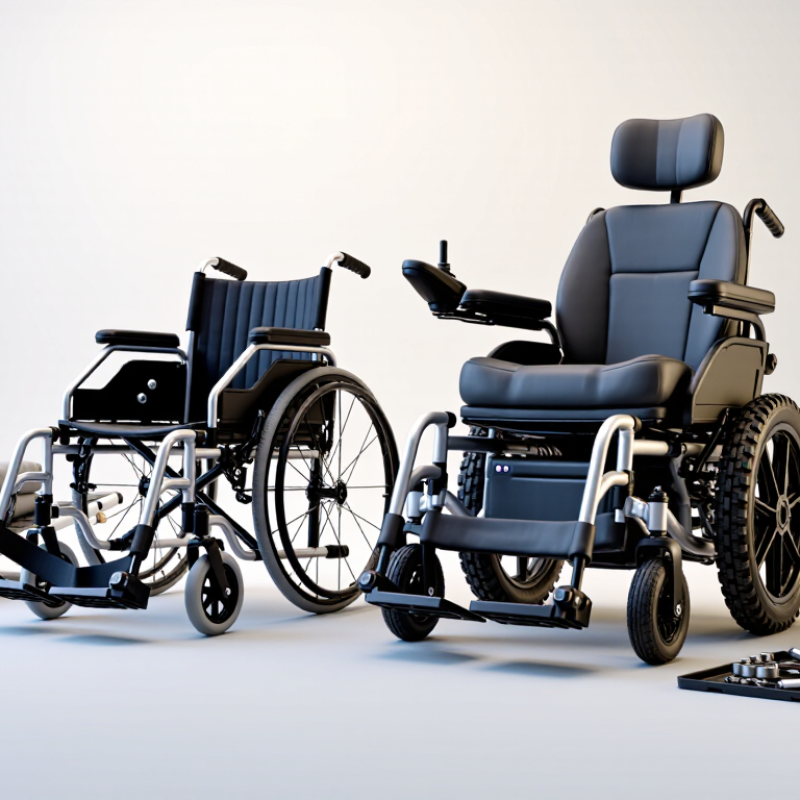
In 2026, wheelchair prices vary sharply by design, materials, and clinical requirements. A basic manual wheelchair commonly costs about $150 to $600. Lightweight or highly adjustable models may range from $700 to $2,500. Power wheelchairs often begin near $1,500 and can exceed $15,000 with advanced seating, batteries, and control systems.
These figures reflect typical United States cash prices, not guaranteed final bills. The Centers for Medicare and Medicaid Services publishes code-specific DMEPOS fee schedules, with allowed amounts changing by equipment category and locality. Coverage may reduce the patient’s share, but documentation, medical necessity, deductibles, and supplier rules still matter.
A professional assessment can prevent an expensive mismatch. A narrow seat may look economical, yet cause pressure or posture problems later.
Global access also affects price discussions. The World Health Organization and UNICEF reported in the Global Report on Assistive Technology that more than 2.5 billion people need assistive products, while access remains limited in many regions. That demand can influence availability and service costs.
Repair planning is often overlooked. Batteries, tires, cushions, and adjustments may add hundreds of dollars annually.
My estimate is imperfect because regional taxes and service fees change quickly. Buyers should request an itemized quote, warranty terms, delivery charges, and expected maintenance costs before paying.
How Much Does a Wheelchair Cost in 2026?
Key Factors That Influence Wheelchair Prices
In 2026, a basic manual wheelchair may cost about $150 to $800 before delivery and accessories. A lightweight or highly adjustable model often ranges from $900 to $3,000. Powered wheelchairs can cost $2,000 to more than $15,000. These figures are broad estimates, not fixed promises. Local taxes, supply changes, and professional fitting can alter the final bill.
The frame material strongly affects price. Steel is usually affordable but heavier. Aluminum reduces weight, while advanced materials can increase cost sharply. Seat width, cushion design, footrests, wheel size, and folding mechanisms also matter. A pressure-relieving cushion may add several hundred dollars. Powered models cost more because of motors, batteries, controllers, and electronic safety systems. Battery capacity matters too.
Terrain and daily use should guide the purchase. A wheelchair for smooth indoor floors needs different features than one used outdoors on ramps or uneven paths. A licensed rehabilitation professional can assess posture, mobility, and transfer needs. That assessment may prevent an expensive mismatch. Insurance or public health coverage might pay part of the cost, but eligibility rules vary by location and medical documentation. Check carefully. It is easy to underestimate maintenance, replacement batteries, delivery, and repair fees. My earlier assumption that the cheapest chair saves money was incomplete; poor fit can create discomfort and further expenses. Ask for a written quote with every included service.
Typical U.S. retail price ranges vary widely by wheelchair type, materials, adjustability, powered functions, and seating requirements.
Manual transport chairs and standard manual wheelchairs are generally the least expensive options. Lightweight materials, reclining or tilt-in-space mechanisms, powered drive systems, customized seating, and advanced rehabilitation features can substantially increase the final price. The figures shown are typical estimated U.S. retail ranges for 2026 and exclude insurance payments, taxes, delivery, maintenance, and accessories.
How Much Does a Wheelchair Cost in 2026?
In 2026, wheelchair prices vary sharply by design, materials, and clinical support. A basic manual wheelchair usually costs about $100–$500. Transport models often range from $150–$600, but they are not designed for independent daily movement. Lightweight or customized manual chairs commonly reach $700–$2,500. These figures reflect recent U.S. supplier quotations and should be treated as planning estimates, not guaranteed prices.
Powered wheelchairs typically cost $1,500–$15,000 before advanced seating, batteries, or delivery. Complex rehabilitation models may exceed $30,000 after pressure-relief cushions, programmable controls, and professional fitting. The Centers for Medicare & Medicaid Services publishes DMEPOS fee schedules, showing why approved reimbursement can differ from retail charges. Grand View Research also reported continued growth in the global wheelchair market, driven partly by powered mobility and rehabilitation technology. Growth does not mean lower prices.
A cheaper chair can become expensive when repairs, replacement batteries, ramps, or posture adjustments appear later. The World Health Organization stresses proper assessment, fitting, training, and follow-up in wheelchair provision. That matters in real use: a poorly fitted seat may cause discomfort after only one afternoon. I may be too cautious, but comparing the frame price alone is incomplete. Ask for the total delivered cost, warranty terms, service fees, and expected battery life before choosing.
| Wheelchair Type | Typical 2026 U.S. Purchase Price | Approx. Weight | Typical User or Purpose | Key Features | Potential Additional Costs |
|---|---|---|---|---|---|
| Basic Transport Wheelchair | $100–$300 | 15–25 lb | Short-term use, travel, appointments, and caregiver-assisted transport | Small rear wheels, folding frame, basic footrests, and limited self-propulsion | Cushions, upgraded footrests, ramps, and delivery may add $50–$500 |
| Standard Manual Wheelchair | $150–$600 | 35–50 lb | Occasional or everyday mobility on relatively smooth surfaces | Large rear wheels, removable footrests, folding frame, and basic adjustability | Pressure-relief cushion, positioning supports, and maintenance may add $100–$800 |
| Lightweight Manual Wheelchair | $600–$2,000 | 25–35 lb | Frequent users who need easier lifting, transport, and self-propulsion | Reduced frame weight, improved maneuverability, adjustable axle position, and better seating options | Custom seating, solid tires, wheel upgrades, and accessories may add $300–$2,000 |
| Ultra-Lightweight or Active-User Wheelchair | $2,000–$6,000 | 15–30 lb | Independent daily users, active mobility, and users who need precise fit and performance | Rigid or folding performance frame, extensive adjustability, rigid seating, and high-strength materials | Custom configuration, seating system, wheels, and specialty components may add $1,000–$4,000 |
| Heavy-Duty or Bariatric Manual Wheelchair | $500–$2,500 | 45–80 lb | Users requiring higher weight capacity, wider seating, or reinforced construction | Reinforced frame, wider seat options, stronger wheels, and higher-capacity brakes | Heavy-duty cushions, wider ramps, reinforced transfer equipment, and shipping may add $300–$2,000 |
| Tilt-in-Space Manual Wheelchair | $2,500–$7,000 | 45–75 lb | Users who need postural support, pressure management, or assisted repositioning | Seat and back tilt, adjustable positioning supports, pressure-relief options, and attendant controls | Specialized seating, headrests, lateral supports, and clinical fitting may add $1,000–$5,000 |
| Basic Folding Power Wheelchair | $1,500–$4,000 | 45–75 lb | Users who need powered mobility but prioritize portability and occasional use | Electric drive, joystick control, foldable frame, and removable or rechargeable battery | Spare batteries, vehicle lifts, ramps, and battery replacement may add $300–$2,500 |
| Standard Power Wheelchair | $3,000–$8,000 | 100–250 lb | Everyday indoor and outdoor mobility for users with limited upper-body strength | Powered drive wheels, joystick control, adjustable seating, suspension, and moderate range | Custom seating, lift systems, upgraded batteries, and service plans may add $1,000–$6,000 |
| Complex Rehab Power Wheelchair | $8,000–$20,000+ | 150–400 lb | Users with complex postural, neurological, mobility, or pressure-management needs | Custom seating, power tilt, recline, elevating leg rests, seat elevation, and advanced controls | Evaluation, custom seating, programming, transportation equipment, and repairs may add $3,000–$15,000+ |
| Standing Power Wheelchair | $12,000–$25,000+ | 180–400 lb | Users who may benefit from supported standing for daily activities and positioning | Powered standing function, advanced seating, postural supports, and programmable controls | Custom clinical configuration, batteries, maintenance, and accessible home modifications may add $3,000–$15,000+ |
| Sports or Adaptive Wheelchair | $2,500–$8,000 | 10–25 lb | Recreational or competitive sports such as basketball, tennis, or racing | Rigid ultralight frame, sport-specific geometry, anti-tip protection, and performance wheels | Sport wheels, positioning straps, gloves, repairs, and event equipment may add $300–$3,000 |
| Pediatric Wheelchair | $500–$8,000+ | 20–100 lb | Children and adolescents who need adjustable seating as they grow | Growth-adjustable frame, supportive seating, positioning components, and child-sized controls | Growth kits, replacement seating, repairs, and resizing may add $300–$4,000 |
| Price ranges are typical estimated U.S. purchase prices for 2026 and can vary according to configuration, seating needs, clinical evaluation, shipping, taxes, and local availability. Insurance, government benefits, and rental prices are not included. A professional seating assessment is recommended before purchasing a wheelchair for daily or long-term use. | |||||
A wheelchair’s listed price is only the beginning. Additional expenses can shape the real cost over time. A basic cushion may cost $50 to $200, while pressure-relieving models can cost much more. Some users also need adjustable footrests, arm supports, or posture belts. These parts improve comfort, but they are not always included.
Transportation creates another expense. A heavy wheelchair may require a vehicle lift or a ramp. Home changes can also add up, including threshold ramps, widened doorways, and bathroom safety rails. Maintenance matters too. Tires lose air, brakes need adjustment, and batteries eventually wear out on powered models. I once underestimated delivery fees and setup time. That mistake made the final budget feel less predictable. Costs vary by region and individual needs.
Tips: Ask for a complete written estimate before buying. Confirm delivery, fitting, repairs, and replacement-part charges. Measure doorways and vehicle storage space first. Keep receipts and service records. A seating assessment from a qualified therapist can prevent expensive changes later. Still, professional advice is not perfect. Your daily routine may reveal needs that a short appointment misses. Track discomfort, transfer difficulty, and travel problems for several days before choosing accessories. A cheaper chair can become costly if it causes pressure, poor posture, or repeated repairs.
A wheelchair’s price in 2026 depends on its purpose, fit, and required technology. A basic manual model may cost roughly $200 to $1,000. A customized manual chair can exceed $2,000. Power models often range from $1,500 to more than $8,000. These figures are estimates, not promises. Local suppliers, clinical needs, and insurance rules can change the final amount. Look beyond the sticker price.
Budget for cushions, batteries, repairs, delivery, and future adjustments. A cheap chair may become expensive if it causes pressure, poor posture, or difficult transfers. Ask a qualified occupational therapist or seating professional to assess your posture, home layout, and daily routes. Measure doorways and vehicle space before ordering. A chair that fits the showroom may fail in a narrow bathroom. That mistake is common.
Choose features that solve real problems, rather than adding every available option. For short indoor trips, a lightweight manual chair may be enough. For long distances or limited arm strength, powered mobility could justify the higher cost. Request a written quote with warranty terms, service fees, and replacement-part estimates. Check whether insurance covers the chair, and confirm required medical documentation before paying. If funds are limited, compare safe refurbished equipment through a reputable, inspected supplier. Still, refurbished does not always mean suitable. A professional inspection matters.