Celebrating 45 Years of clinical innovation, comfort, and caregiver support at Broda.
Explore the Legacy!Choosing the right roho seat cushion is about more than selecting a model or matching a chair’s dimensions. The cushion must suit the person’s posture, pressure needs, daily routine, and ability to adjust its air cells. A good fit can feel supportive without creating new pressure points. A poor fit may shift during transfers or leave the user feeling unstable. Details matter.
Seating specialist Michelle Lange, OTR/L, ATP/SMS, is known for her work in seating and mobility. A non-verbatim takeaway from her person-centered approach is: “Choose support for the person, not just the product.” This is a paraphrase, not a direct quotation. It captures an important point: comfort alone does not confirm that a cushion is appropriate. A qualified clinician or seating professional can help assess fit and skin-protection needs.
These seven tips will help you compare cushion size, cell height, stability, inflation, posture, maintenance, and everyday comfort. Check the manufacturer’s instructions for the specific model. Ask how the cushion performs during meals, desk work, and transfers—not only when sitting still. Watch for uneven contact, sliding, or changes in skin condition. Small signs count. An air cushion also needs regular checks; it is not a set-and-forget solution. Personal fit can take adjustment, and that part is sometimes underestimated. The goal is a practical choice that supports safer, more comfortable sitting in real life.
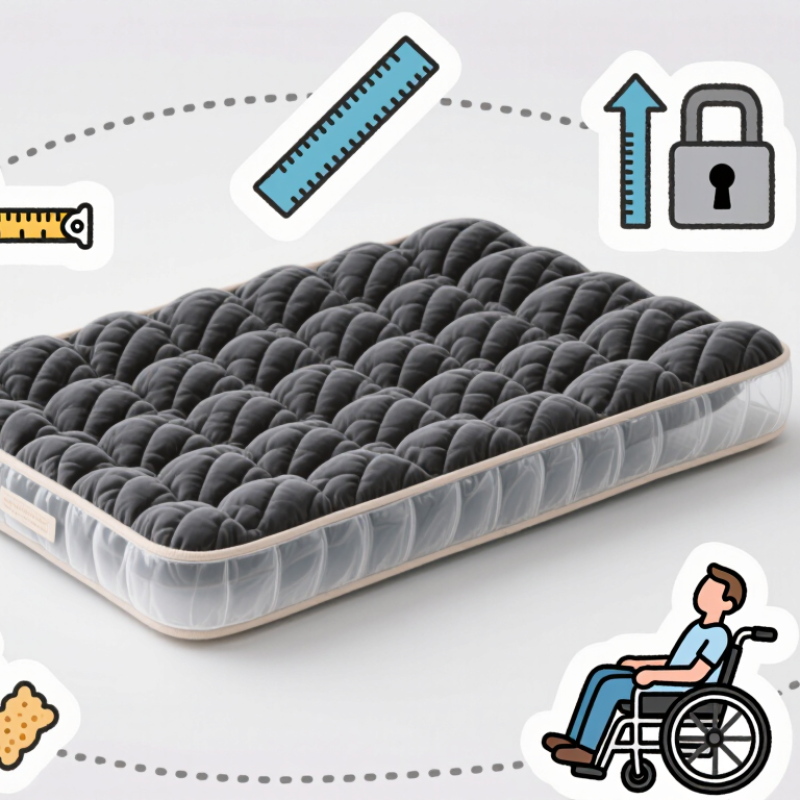
Choosing a pressure-relief cushion starts with posture and skin risk, not a catalog. Observe pelvic tilt, trunk lean, leg alignment, and whether the person slides forward during ordinary sitting. Ask about reduced sensation, past skin injuries, and how easily they can change position. Small clues matter. A footrest set too high or a slippery transfer can undermine an otherwise sensible setup.
Mobility shapes the choice, too. Consider daily sitting time, transfers, wheelchair propulsion, and whether the person can reliably shift weight. AHRQ’s 2014 hospital toolkit reports that more than 2.5 million people in the United States develop pressure ulcers each year. That figure is not a cushion-specific risk estimate, but it shows why pressure concerns deserve careful attention. Check skin after sitting, and look for signs that the pelvis is sinking too far or the cushion is bottoming out. A short trial may miss problems that appear later. Reassess comfort and posture during real activities, and involve a qualified seating clinician when pain, persistent asymmetry, or skin changes occur.
Air-cell cushions come in several layouts, and the design changes how they feel under the body. A single, interconnected air chamber can let cells shift as weight moves, helping the cushion contour around the pelvis. It may suit someone who needs pressure redistribution and can manage regular inflation checks. Too much air can feel unstable. Too little can let the user bottom out.
Compartmentalized designs divide the cushion into sections. Separate zones can help limit side-to-side movement or accommodate different needs across the seating area, but they still require careful setup. Contoured models may provide more guidance for the thighs and pelvis. Hybrid cushions combine air cells with a firmer base, offering a steadier feel for some users. That added stability may reduce how deeply the body settles into the air cells. Small details matter.
Match the design to posture, mobility, skin risk, and daily routine—not just the product description. A person who transfers often may value a stable surface, while someone who sits for long periods may need more immersion and frequent skin checks. Neither option fits everyone. Check that the cushion matches the chair, supports the user’s weight, and stays correctly positioned. A clinician or seating specialist can assess fit and setup; real-world comfort can differ from what a brief trial suggests.
Typical construction features of common cushion designs
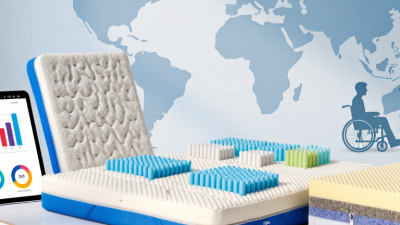
Air-cell designs allow adjustment of air pressure; contoured foam cushions use shaped foam for support; gel-and-foam hybrids combine foam with a gel component; and honeycomb elastomer designs use a flexible cellular structure. Features vary by product, so consider posture, skin-protection needs, comfort, maintenance, and professional guidance when choosing a cushion.
Before choosing a cushion, measure the seat’s usable width and depth, not just the chair’s outer dimensions. Include space taken by armrests, side rails, or a curved backrest. A cushion that hangs over the edges can shift during transfers or interfere with nearby parts. A cushion that is too small may leave parts of the seat uncovered. Small details matter.
Match the cushion’s shape to how you sit and how the seat is built. A flat seat often allows more options, while a contoured seat may need a cushion with a compatible base. Check where any cutouts, raised areas, or valves will sit; they should not press against the chair frame. If you use a wheelchair, confirm that the cushion’s added height still leaves comfortable access to the wheels and supports a stable sitting position. Measure twice. Then compare your measurements with the cushion maker’s sizing guide, since sizes and shapes vary. If your posture, skin condition, or transfer routine makes the fit uncertain, ask a seating specialist to assess it in the actual chair. A quick home check can help, but it is not always enough.
| Tip | What to check | Example measurement | Fit check |
|---|---|---|---|
| 1. Measure the usable seat width | Measure across the flat seating area between arm supports or other obstructions. | Usable width: 18 in (45.7 cm) | Choose a cushion that sits within the usable area without being squeezed by the sides. |
| 2. Measure the usable seat depth | Measure from the back of the seating surface to its front edge, allowing for any backrest or seat-front curve. | Usable depth: 17 in (43.2 cm) | Check that the cushion does not extend beyond the seat front or press awkwardly against the backrest. |
| 3. Compare the cushion’s actual dimensions | Use the product’s stated width and depth, not just a general size label. | Seat: 18 × 17 in (45.7 × 43.2 cm); cushion: 18 × 17 in | Confirm the cushion rests flat and is not forced into a smaller seat space. |
| 4. Match the outline to the seat shape | Check whether the seat is square, rectangular, contoured, or has a curved front or back. | Example: rectangular seat with a rounded front edge | A cushion with a compatible outline should sit evenly without folded or overhanging edges. |
| 5. Check for contours and cut-outs | Look for built-in contours, a front slope, or openings, and confirm their orientation. | Example: contoured cushion with a shaped front edge | Position the cushion as directed by its maker; do not assume a shaped cushion can be turned around. |
| 6. Account for cushion thickness | Compare the cushion height with the chair’s available space and the user’s seating position. | Example: a 3 in (7.6 cm) cushion raises the seated position by about 3 in before compression. | After fitting, check leg clearance, foot support, armrest height, and access to controls. |
| 7. Test the fit on the intended seat | Place the cushion on the actual chair and check its position with the user seated. | Check all four edges, the backrest, arm supports, and foot placement. | Follow the cushion maker’s fitting instructions; seek professional advice if positioning or pressure management is uncertain. |
Measurements above are examples only. Verify the dimensions and fitting instructions for the specific seat and cushion.
A suitable air-cell seat cushion should match your body, daily routine, and support needs. Adjustability matters because posture, clothing, and activity can change how the cushion feels. Look for clear guidance on adjusting air levels and positioning the cushion. Small changes matter.
Inflation needs careful attention. Too much air may feel unstable, while too little can reduce the cushion’s support. Follow the product’s fitting instructions rather than relying on a quick squeeze test. Sit in your usual position and check that your pelvis feels supported and your weight is distributed comfortably. If you are unsure, ask a seating specialist or clinician to help with setup.
Think about the support you need during a typical day. Consider how long you sit, whether you need help with transfers, and whether you have posture or skin concerns. A cushion that feels comfortable for five minutes may feel different after an hour. I would not assume the first adjustment is perfect; reassess after regular use and note any changes in comfort or stability. Seek professional advice if you have ongoing pain, redness, or difficulty maintaining your position.
Test fit, comfort, and care needs before choosing
A cushion should be assessed with the user in their usual chair, clothing, and sitting posture. Ask a qualified seating professional to check pelvic position, stability, and pressure distribution. Small details matter. Does the cushion shift when the user reaches for a cup? Does the edge press against the thighs? A brief trial can mislead; comfort at noon may fade after a full workday. Test it first.
Fit should be reviewed again after adjustments, since a small change in inflation or positioning can affect stability and comfort. The National Pressure Injury Advisory Panel’s pressure injury guidance supports individualized risk assessment and regular skin checks. New redness that does not fade deserves prompt attention from a healthcare professional. Do not rely on comfort alone.
Care needs matter, too. Check how the cushion is cleaned, dried, and inspected, and whether the user or caregiver can manage those steps consistently. The World Health Organization’s 2023 wheelchair-provision guideline estimates that 80 million people need wheelchairs worldwide. It reports access ranging from 5% to 35%, depending on the country. That figure describes wheelchair access, not cushion outcomes, but it highlights the value of practical, individualized assessment. A cushion that is hard to maintain may not be the best daily choice.