Celebrating 45 Years of clinical innovation, comfort, and caregiver support at Broda.

Explore the Legacy!

How to Choose the Best Transport Chair for Travel

Choosing the best transport chair for travel requires more than comparing prices or folded dimensions. Comfort, safety, portability, and caregiver control matter equally.

The World Health Organization and UNICEF reported in their 2022 Global Report on Assistive Technology that more than 2.5 billion people need assistive products worldwide. That figure may exceed 3.5 billion by 2050. These numbers reveal a growing need for practical mobility equipment, including the transport chair. Yet, global statistics cannot predict your airport queue, hotel corridor, or uneven pavement.

Rory Cooper, PhD, a leading wheelchair researcher and founder of the Human Engineering Research Laboratories, has said, “A wheelchair is not a medical device; it is a mobility device.” His point is important. A travel chair should support real movement, not simply look compact in a product photograph. Check its overall weight, folded size, seat width, footrest design, wheel locks, and caregiver handles. A lightweight frame may help on stairs, but it can feel less stable over rough ground. Small wheels save space, though they usually perform poorly outdoors. That trade-off is easy to underestimate.

The best choice depends on the traveler, the route, and the person pushing it. Sometimes, the “lightest” model is not the most useful. Bring a measuring tape. Test the brakes. Sit in the chair before traveling, if possible. Even careful advice has limits, and personal fit still needs professional review.
How to Choose the Best Transport Chair for Travel

Understanding Transport Chairs and Travel Requirements

A transport chair is a compact mobility seat pushed by an attendant, not usually propelled by the user. Its narrow frame, small rear wheels, and folding design suit airports, hotels, museums, and short outdoor routes. Understanding this difference matters because a wheelchair generally offers larger wheels for independent movement. The distinction is easy to miss.

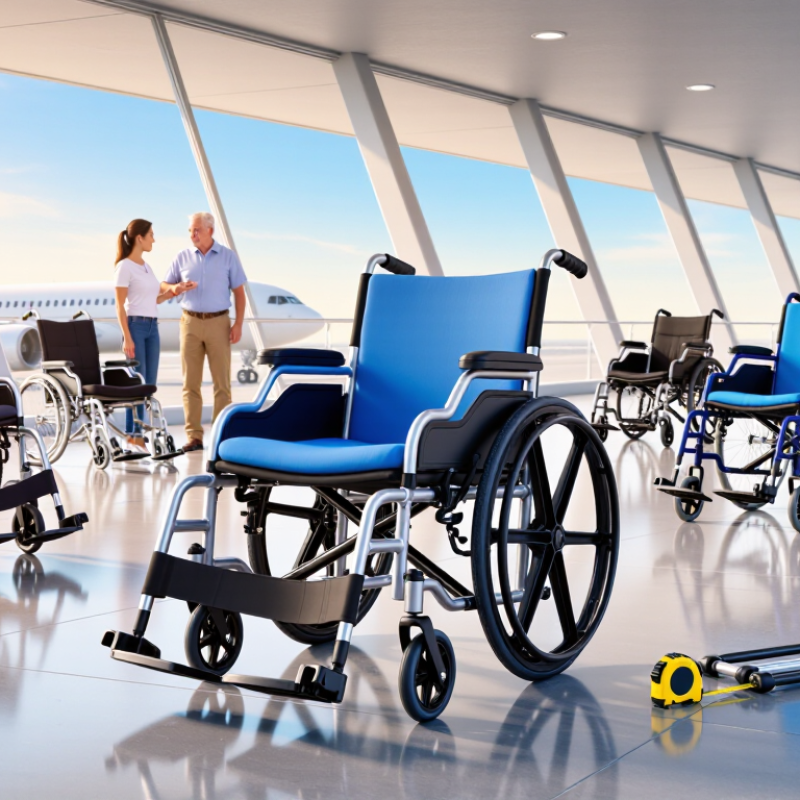
Travel requirements begin with the traveler, not the product. Measure hip width, seat depth, and doorway clearance before purchasing. Add winter clothing and a small cushion to your measurements. Check the chair’s weight if lifting it into a car or carrying it through a station. A lightweight frame helps, but an ultra-light design may feel less stable on uneven pavement. That trade-off deserves honest thought. Look for dependable wheel locks, padded handles, adjustable footrests, and a lap belt when appropriate. Fit matters. Test the brakes while the chair is occupied, preferably with a trained companion nearby.

Air travel requires direct confirmation from the carrier because handling procedures and size limits can vary. Ask how the chair should be folded, tagged, and collected at the destination. For long terminals, confirm whether assistance is available and whether the chair can reach the aircraft door. Inspect hinges, wheels, and locks before each trip. A loose footrest can become a hazard during transfers. I once underestimated how tiring repeated lifting could be; convenience on paper did not equal comfort in transit. Reconsider the route, not just the chair.

Assessing Chair Size, Weight, and Portability

How to Choose the Best Transport Chair for Travel

Assessing Chair Size, Weight, and Portability

A transport chair should fit both the traveler and the spaces around them. Measure the user’s hip width while seated, then add a little room for winter clothing. A seat that feels narrow can create pressure during long airport waits. Check the chair’s total width, folded height, and folded depth before purchasing. These measurements matter in hotel elevators, car trunks, and narrow bathroom doors.

Weight affects every transfer. A lightweight frame is easier for a companion to lift, but extremely light designs may feel less stable. Confirm the chair’s weight capacity, wheel size, brake access, and footrest clearance. I prefer testing the folding mechanism several times. It should close without pinched fingers or excessive force. Still, my first choice once folded easily but occupied too much trunk space.

Portability includes more than weight. Look for push handles that suit the attendant’s height and a secure seat belt for uneven paths. Removable or swing-away footrests can simplify transfers and storage. Before flying, measure the folded chair and contact the airline about current handling rules. Policies can change. A travel chair may pass through a doorway yet fail to fit beside packed luggage. Leave some space. Even careful planning can miss one awkward step, such as a steep curb outside the terminal.

Comparing Comfort, Safety, and Support Features

Choosing a transport chair for travel requires more than checking its folded size. Comfort, safety, and support can determine whether a short airport transfer feels manageable or exhausting. The CDC’s 2022 Behavioral Risk Factor Surveillance System estimated that 13.7% of U.S. adults have a mobility disability. That figure highlights the need for equipment designed around real daily movement, not only storage convenience.

Comfort begins with a properly measured seat. The user’s hips should fit without pressure, while the seat depth should support the thighs without touching behind the knees. A breathable cushion can reduce heat during long waits. Padded armrests and adjustable footrests may also prevent awkward leg positions. Small details matter. Still, thicker padding is not always better. Excess softness can reduce posture control and make transfers harder.

Safety needs closer attention. Look for dependable wheel locks, a stable frame, secure footrests, and visible safety belts. For vehicle travel, check whether the chair has been tested under ISO 7176-19 requirements for occupant restraint and wheelchair securement. Airport handling is different from passenger transport. The chair should never be treated as crash-tested unless documentation confirms it. The World Health Organization’s Global Report on Assistive Technology projects that more than 3.5 billion people may need assistive products by 2050. Support features must therefore suit varied body sizes, strength levels, and caregiver needs. A trial with the actual user remains essential, though even a careful trial cannot predict every uneven pavement or rushed transfer.

How to Choose the Best Transport Chair for Travel - Comparing Comfort, Safety, and Support Features
Travel Chair Profile Typical Chair Weight Typical Seat Width Typical User Weight Capacity Comfort Features Safety Features Support Features Best Travel Use Key Trade-Off
Ultralight Compact Approximately 15–20 lb 16–18 in Up to approximately 250–300 lb Padded seat and back; basic swing-away footrests; limited seat cushioning. Wheel locks, heel loops, safety belt, and attendant hand brakes on many models. Fixed or folding back support; minimal frame adjustment. Air travel, hotel corridors, cruises, museums, and short assisted outings. Easier to lift and store, but usually offers less cushioning and fewer adjustments.
Balanced Travel Approximately 20–28 lb 17–19 in Up to approximately 300–350 lb Thicker upholstery, padded armrests, adjustable or removable footrests, and improved back support. Locking rear wheels, attendant hand brakes, positioning belt, and anti-tipping design features. More supportive backrest; removable components can improve transfers and storage. Airports, shopping centers, theme parks, and full-day sightseeing with frequent stops. Provides a stronger comfort and stability balance, but is heavier than an ultralight chair.
Comfort-Focused Approximately 25–35 lb 18–20 in Up to approximately 300–400 lb Contoured or padded seat, padded armrests, higher backrest, adjustable footrests, and improved pressure distribution. Parking brakes, attendant hand brakes, secure positioning belt, and durable wheel assemblies. Enhanced trunk and leg support; some designs include reclining or elevating components. Long sightseeing days, waiting areas, outdoor venues, and users who need additional postural support. Better comfort and support may increase folded size and lifting effort.
Heavy-Duty Travel Approximately 30–45 lb 19–22 in Approximately 350–500 lb, depending on the model Wider seat, reinforced upholstery, padded armrests, and stronger footrest supports. Reinforced frame, larger locking wheels, attendant brakes, safety belt, and stability-focused construction. Wider seating platform and stronger lateral and leg support. Users requiring higher weight capacity or additional seating width for accessible transportation. Greater capacity and stability require more storage space and may be difficult for one person to lift.
Transit-Friendly Folding Approximately 20–32 lb 16–19 in Up to approximately 250–350 lb Padded seat and back, removable footrests, and compact folding upholstery. Wheel locks, safety belt, attendant brakes, and secure folding-lock mechanisms. Compact frame support with components designed for easier vehicle loading. Car trunks, taxis, rideshare vehicles, buses, trains, and transfers between transport modes. Compact storage is convenient, but smaller wheels may provide a less comfortable ride over uneven surfaces.
Outdoor-Ready Travel Approximately 28–40 lb 17–20 in Up to approximately 300–400 lb Padded seat, supportive backrest, larger rear wheels, and footrests with improved ground clearance. Reliable wheel locks, attendant hand brakes, anti-tipping geometry, and a secure lap belt. Stronger frame, improved wheel stability, and better support on mildly uneven walkways. Parks, outdoor attractions, paved trails, campuses, and venues with mixed surfaces. Larger wheels and reinforced construction improve handling but add weight and folded bulk.
Selection note: Before traveling, confirm the chair's actual folded dimensions, total weight, user weight capacity, seat width, doorway clearance, and transport rules with the airline, railway, hotel, or other transportation provider. A transport chair is generally designed to be pushed by an attendant rather than self-propelled by the seated user.

Checking Mobility Needs and Travel Compatibility

Choosing a transport chair for travel begins with the person, not the luggage size. The World Health Organization estimates that 1.3 billion people experience significant disability worldwide. That figure is broad, but every traveler has different limits. Check walking distance, transfer ability, trunk control, and fatigue before comparing chairs. Can the user sit comfortably for two hours? Can a companion push safely over uneven pavement?

Travel compatibility needs equal attention. Measure the folded chair, including wheels and footrests. Compare those dimensions with vehicle trunks, train storage areas, and accommodation elevators. A lightweight frame may help, but narrow wheels can struggle on cobblestones. Test the chair before departure. A short indoor trial can hide problems. A longer route often reveals pressure points, weak brakes, or awkward handles.

Air travel requires extra care. The U.S. Department of Transportation reported 11,527 mishandled wheelchairs and scooters in 2023, representing about 1.3% of reported devices. This data supports using removable cushions, clear handling instructions, and protective packaging where practical. The chair should have reliable brakes, secure footrests, and marked lifting points. Ask the carrier about gate delivery, battery restrictions, and storage procedures. Policies vary. My own checklist would include a backup cushion, repair tools, and photographs taken before check-in. I would also reconsider any chair that feels unstable during a simple curb transition.

Selecting the Best Chair for Your Budget and Trip Plan

Choosing the best transport chair for travel starts with your budget and trip plan. A low-cost chair may suit short museum visits, airport transfers, or occasional use. For longer outings, prioritize a padded seat, strong attendant brakes, and easy folding. Check the chair’s weight before buying. A 35-pound chair can feel heavy beside a crowded train platform. Seat width matters too, especially when wearing winter clothing. I once focused too much on price and underestimated storage space. That mistake made transfers harder than expected.

Tips: Match the chair to your route. Measure your vehicle’s trunk opening, hotel elevator, and doorway widths. If you are flying, confirm the carrier’s handling process and size requirements before departure. A removable footrest can simplify transfers, while larger rear wheels may improve comfort on uneven sidewalks. Ask a healthcare professional about posture support if the user needs extended seating. Small details often decide whether a trip feels manageable.

For a tight budget, compare total travel costs rather than the chair alone. You may need a carrying bag, cushion, rain cover, or repair kit. Test the brakes and folding mechanism several times at home. They should work without force or confusion. A transport chair is usually pushed by an attendant, so it may not suit independent movement. Be realistic about hills, cobblestones, and long waiting periods. The cheapest option is not always the most dependable.