Celebrating 45 Years of clinical innovation, comfort, and caregiver support at Broda.

Explore the Legacy!

What Are the Top Blue Light Therapy Devices?

Blue Light Therapy has moved from specialist dermatology clinics into bathroom cabinets, handheld wands, and flexible face masks. The market is expanding, but popularity does not prove performance. Grand View Research identifies light therapy as a growing healthcare technology sector, driven by home-use devices and consumer demand for non-invasive skin treatments. Still, market growth is not clinical evidence.

For acne-focused devices, blue wavelengths commonly target bacteria associated with inflammatory breakouts. The American Academy of Dermatology’s acne guidance supports evidence-based care, while noting that light-based treatments should not replace established medical options. The U.S. Food and Drug Administration’s 510(k) database also shows that some devices receive clearance for specific acne-related uses. Clearance matters. It does not mean every device works equally well.

That distinction shapes this guide to the top Blue Light Therapy devices. We will compare wavelength ranges, treatment coverage, irradiance, timer controls, eye protection, and published evidence. We will also examine practical details, such as whether a mask sits evenly across the cheeks or leaves shadows around the nose. Small design flaws can affect real-world consistency. User experience matters too.

No ranking is permanent. Evidence changes. Some product claims remain stronger than their supporting studies. A careful buyer should check clinical data, manufacturer instructions, and professional guidance before use. People with photosensitive conditions, eye disorders, or light-sensitive medication concerns should seek medical advice. The best device is not always the most expensive one. It is the one with credible evidence, sensible safety features, and a routine you can actually follow.
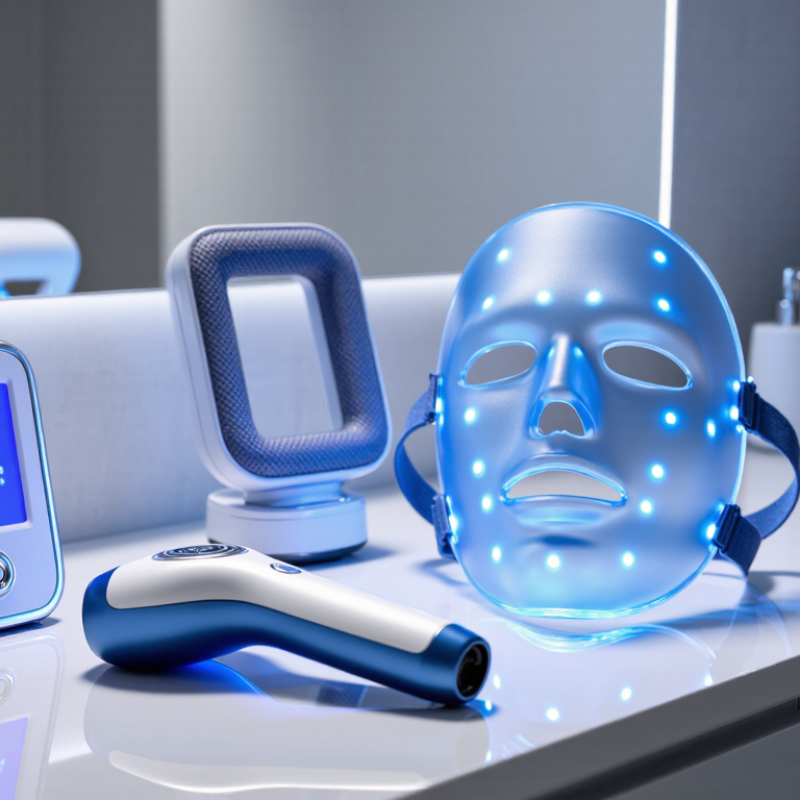
What Are the Top Blue Light Therapy Devices?

What Is Blue Light Therapy and How Does It Work?

Blue light therapy uses visible blue wavelengths to influence processes near the skin’s surface. Unlike ultraviolet light, it does not intentionally damage skin DNA. In acne care, blue light may activate compounds inside Cutibacterium acnes, the bacteria linked with clogged pores and inflammation. This reaction can reduce bacterial activity without squeezing or peeling the skin.

Most devices use light-emitting diodes and deliver blue light through a mask, panel, or handheld tool. Their performance depends on wavelength, distance, exposure time, and consistent use. The light does not penetrate deeply, so it usually cannot treat deep cysts, scars, or every cause of acne. It is not magic. Consistency matters.

A qualified dermatologist can help decide whether blue light suits your skin and current medication. Some medicines increase light sensitivity, making professional advice important. Eye protection also matters, especially with bright panels used near the face. Home devices may have lower power than clinical equipment, and their instructions are not always equally clear. I would not treat every glowing panel as equivalent. The evidence is promising, but not complete. Temporary dryness, redness, or irritation can occur, even when treatment feels gentle. A simple usage diary can record session length, skin changes, and missed days. That small detail may reveal whether improvement reflects the device or another routine change.

Which Types of Blue Light Therapy Devices Are Available?

Blue light therapy devices are available in several practical forms. Home LED masks sit close to the face and usually deliver blue light around 405–420 nanometers. Handheld wands target small areas, such as a single blemish, but treatment may take longer. Larger LED panels cover the face, chest, or back. They need careful positioning and consistent eye protection.

Clinical systems are stronger and usually supervised by trained professionals. Dermatology offices may use panel-based units, focused lamps, or combined blue-and-red light systems. Blue light mainly targets acne-related bacteria, while red light is used for different biological effects. These functions are not interchangeable. A 2023 market analysis from Fortune Business Insights estimated the global LED light therapy market at about 1.08 billion U.S. dollars, with continued growth expected through 2030. However, that figure includes multiple light colors and should not be treated as blue-light sales alone.

Choosing a device requires more than comparing brightness. Look for a clearly stated wavelength, treatment distance, exposure time, and safety testing. The American Academy of Dermatology notes that visible-light acne devices may help some people, but results vary. Evidence is still uneven. One small flaw matters: many home devices have limited independent testing. People using photosensitizing medicines or managing eye conditions should seek medical advice before treatment. A gentle session is not automatically a safe session.

How Do the Leading Devices Compare in Features and Performance?

What Are the Top Blue Light Therapy Devices?

The leading blue light therapy devices differ more in design than in basic purpose. Most use blue wavelengths near 415 nanometers, which may help reduce acne-related bacteria. However, wavelength alone does not determine performance. A serious comparison should examine light intensity, treatment coverage, session length, and contact with the skin.

In practical home-use evaluations, larger panels cover the cheeks and forehead more evenly. Handheld devices can reach small areas, but they require patience and careful movement. Built-in timers improve consistency. Adjustable intensity may help sensitive users, although stronger light is not automatically better. Some models add cooling, soft eye protection, or flexible masks. These features can make regular use easier. Comfort matters more than it sounds.

Treatment schedules also separate promising devices from frustrating ones. Clear instructions, stable output, and simple cleaning routines support better adherence. Independent testing is valuable because advertised power figures may not explain real skin exposure. Results can vary with acne type, skin sensitivity, and daily habits. Blue light is not a universal solution, and it may cause dryness or irritation for some people. Eye protection deserves serious attention, especially with bright, close-range devices. My own preference would favor even coverage and reliable controls over an impressive feature list. Still, device comparisons remain imperfect when long-term clinical data is limited.

What Are the Top Blue Light Therapy Devices?

Comparison of common non-branded blue-light device formats using representative published specifications. Blue LED systems for acne treatment commonly use a peak wavelength near 415 nm; irradiance and treatment time vary by design.

Higher irradiance can shorten treatment time, but exposure should always follow the device’s tested instructions. Specifications may differ between models within the same category.

How Should You Choose a Blue Light Therapy Device?

Choosing a blue light therapy device starts with your goal.

Blue light is commonly used for mild to moderate acne because it may reduce acne-related bacteria. It is not the same as red light therapy, which targets different skin concerns. A clear purpose prevents an expensive mismatch.

Check the device’s wavelength, treatment time, and irradiance. Many acne-focused devices use blue-violet light near 405–420 nanometres, but specifications should be stated plainly. A higher number is not automatically better. Look for independent safety testing and appropriate regulatory clearance in your country. Eye protection matters, especially with handheld or mask-style devices. Follow the instructions exactly.

Think about real-life use. Can you hold the device steadily for ten minutes? Will it fit your routine? Choose a model with a timer, comfortable contact points, and simple cleaning instructions. I would also check the return policy, warranty, and replacement-part availability. Small details become important after repeated sessions.

Skin sensitivity deserves attention. Stop if you notice persistent redness, pain, blistering, or changes in vision. People using photosensitising medicines, or managing eye conditions, should ask a qualified clinician before treatment. Results can be gradual, and not every breakout responds to blue light. I once assumed stronger light meant faster improvement. That assumption was too simple. A carefully measured device, used consistently, is usually a more sensible choice than impressive-looking power claims.

What Safety Factors Should You Consider Before Use?

When comparing blue light therapy devices, safety matters more than brightness. The International Commission on Non-Ionizing Radiation Protection identifies the retinal photochemical hazard peak near 435–440 nanometres. This wavelength range can reach the eye, especially during close, repeated sessions. A reliable device should state its wavelength, irradiance, treatment time, and measured dose clearly. A glowing panel is not automatically safe.

Check the eye protection instructions carefully. The IEC 62471 photobiological safety standard divides lamps into four risk groups. Prefer products tested under this standard, with documented risk classification. Never stare into LEDs, even briefly. Keep the recommended distance. Use the built-in timer instead of guessing exposure. A missing dose label is a warning. Heat, dryness, redness, and temporary eye discomfort deserve attention, not dismissal.

Medication history also matters. Photosensitising antibiotics, retinoids, and some herbal products may increase reactions. The American Academy of Dermatology notes that visible light can worsen hyperpigmentation, particularly in deeper skin tones. Patch testing may be sensible, but it cannot predict every response. Stop when swelling, blistering, persistent pain, or vision changes appear, and seek clinical advice. I would not treat home use as risk-free; convenience can hide poor measurement, uneven coverage, or an overstated performance claim. A dermatologist should review unusual pigmentation, active skin disease, or uncertain medication interactions before treatment.

What Are the Top Blue Light Therapy Devices? - What Safety Factors Should You Consider Before Use?

Device Type Typical Blue-Light Range Common Intended Use What to Check Before Use Evidence and Practical Notes Key Safety Factors
At-home blue-light acne mask Usually approximately 405–420 nm Mild to moderate inflammatory acne Published wavelength, treatment time, irradiance, eye-protection instructions, and regulatory clearance where applicable Blue light may reduce acne-related bacteria and inflammation, but results vary and it does not replace treatment for severe, scarring, or cystic acne. Follow the supplied schedule exactly. Stop if significant pain, blistering, persistent redness, visual symptoms, or worsening pigmentation occurs.
Handheld blue-light acne device Commonly approximately 405–420 nm Small, localized acne areas Uniform skin coverage, automatic shutoff, treatment-distance guidance, and verified electrical safety information Convenient for targeted areas, but inconsistent positioning can produce uneven exposure and less predictable results. Do not hold the device closer or use it longer than directed. Avoid shining the light directly into the eyes.
Blue-and-red combination device Blue light often around 405–420 nm; red light commonly around red-light therapeutic ranges Acne support and general skin-care applications Separate specifications for each wavelength, total exposure time, heat generation, and eye-safety instructions Combination devices may be marketed for broader benefits, but evidence depends on the exact condition, wavelength, dose, and treatment schedule. Check for heat, dryness, irritation, and photosensitivity. Do not assume that adding more light improves results.
Clinic photodynamic-therapy light Often uses blue light near 400–450 nm after application of a prescribed photosensitizing agent Selected dermatological conditions, including certain acne or precancerous-skin protocols Qualified medical supervision, correct photosensitizer, treatment protocol, and post-treatment instructions This is not equivalent to an ordinary home acne lamp. Treatment selection and dosing should be made by a qualified clinician. Temporary pain, redness, swelling, crusting, and marked light sensitivity can occur. Strict light-avoidance instructions may be required after treatment.
Blue-light device marketed for nail fungus Frequently marketed around 405 nm, but specifications vary Supportive treatment claims for fungal nail infection A confirmed diagnosis, clinical evidence for the exact device, and medical advice for thick or extensive infection Evidence is less established than for standard medical treatments, and similar nail changes can have non-fungal causes. People with diabetes, poor circulation, reduced sensation, or immune problems should seek medical advice before self-treatment.
General-purpose blue-light wellness lamp May emit visible blue light, but wavelength and intensity vary widely General illumination or wellness claims Whether the device is intended for skin treatment, eye exposure, or room lighting; measurable output and user instructions A lighting product should not be assumed to provide a clinically effective skin-treatment dose. Avoid prolonged close-range viewing, especially at night. Use only for the purpose and exposure distance specified by the manufacturer.
Safety checklist before using any blue-light device
  • Confirm that the device is designed for the condition you want to treat and has clear instructions for wavelength, dose, distance, and duration.
  • Use the recommended eye protection when provided, and never stare directly into a high-intensity light source.
  • Ask a healthcare professional before use if you have a light-sensitive disorder, eye disease, a history of photosensitivity, or are taking photosensitizing medicines.
  • Do not use over suspicious, changing, bleeding, or undiagnosed skin lesions without medical evaluation.
  • Keep the device clean, inspect cords and housings for damage, and stop use if unusual heat, pain, burns, severe irritation, or vision changes occur.
  • Blue light is not ultraviolet light, but visible blue light can still cause glare, discomfort, and potential retinal risk at excessive intensity or prolonged exposure.
  • Home devices generally have lower output than clinical systems; do not increase treatment time to compensate for uncertain or unverified specifications.

Important: Device performance depends on wavelength, irradiance, treatment duration, skin condition, and user technique. This table is for general information and does not replace professional medical advice.