Celebrating 45 Years of clinical innovation, comfort, and caregiver support at Broda.

Explore the Legacy!

10 Tips to Choose the Best Facial Analysis Machine?

Choosing a Facial Analysis Machine is not simply a matter of selecting the camera with the highest resolution. A reliable system should produce useful, repeatable information under real working conditions. That includes visible pores, uneven tone, fine lines, redness, and moisture-related patterns. Lighting matters greatly. A bright window can change the result within minutes.

Dermatologist and skin-typing researcher Dr. Leslie Baumann has emphasized, “There is no one-size-fits-all approach to skin care.” This principle also guides equipment selection. The best Facial Analysis Machine should support professional judgment, not replace it. A clear report, practical measurement categories, and simple client explanations are essential. So is consistent calibration.

Look beyond impressive screenshots. Check whether the device has documented testing, transparent measurement methods, staff training, software updates, and dependable technical support. Ask how the machine handles different skin tones and whether results remain comparable across repeated scans. A beautiful interface is not enough.

Small details reveal quality. Can the client rest their chin comfortably? Does the camera capture both cheeks evenly? Can the software export records without creating confusion? These questions often matter more than a long feature list.

Some choices remain imperfect. I may overvalue sharp images. A clinic may also purchase advanced functions that staff rarely use. The following ten tips examine performance, accuracy, usability, privacy, maintenance, and long-term value. They are designed to help clinics make a careful decision before investing in a Facial Analysis Machine. Reliable analysis begins with realistic expectations.
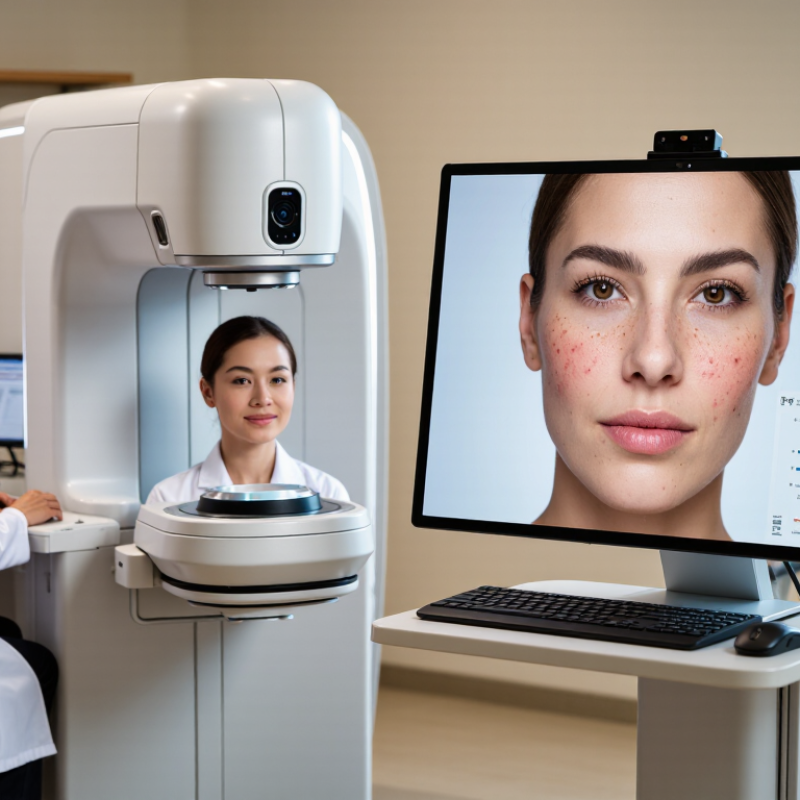
10 Tips to Choose the Best Facial Analysis Machine?

Define the Purpose and Users of a Facial Analysis Machine

Before choosing a facial analysis machine, define its exact purpose. A salon may need skin hydration, oil, pore, and pigmentation measurements. A clinic may require deeper imaging for professional assessment and progress tracking. These are different needs.

Identify the intended users, too. Estheticians often need fast results during consultations. Dermatology teams may expect higher image detail, consistent lighting, and exportable records. Customers usually want clear explanations, not complicated charts. The machine should support informed decisions, not replace clinical judgment. A trained professional must review unusual findings before suggesting treatment.

Think about the daily setting. Will the device stand beside a treatment bed or travel between rooms? Check whether staff can operate it without constant technical support. Test a sample session: clean the skin, capture three angles, and compare the readings. Small changes in lighting can affect results. That matters.

Be honest about limitations. No facial analysis system is perfectly objective. Skin tone, recent skincare, makeup residue, and camera position may influence the data. I would record the room conditions and repeat scans when results seem doubtful. It takes extra time, but unreliable numbers can mislead clients. Protect personal images and measurements with controlled access and clear consent procedures. A useful machine fits the users, the workflow, and the decisions they are qualified to make.

Compare Imaging Technologies and Skin Assessment Functions

Choosing the best facial analysis machine requires more than bright images. Compare its imaging technology, assessment functions, and reporting reliability.

Polarized light can reveal surface redness and uneven texture with fewer reflections. UV imaging may show oil distribution and hidden pigmentation patterns. Multispectral systems examine several light ranges, but their results depend on calibration and room lighting. Three-dimensional imaging helps measure wrinkles, contours, and treatment changes. Ask whether the system captures repeatable images from the same distance and angle.

Skin assessment functions deserve equal attention. Check whether the machine evaluates hydration, sebum, pores, pigmentation, redness, and wrinkle depth. These measurements should include clear scales, reference images, and understandable reports. A useful device separates measured data from suggested interpretations. It should not present every estimate as a medical fact.

No device is flawless. A dry cheek, heavy makeup, or strong overhead light can distort results. It is tempting to trust a colorful score. That can be a mistake. Review the face manually and compare findings with the client’s concerns. Skin professionals should verify unusual results before making recommendations. Ask about operator training, software updates, data protection, and image storage. A small trial with repeated scans often reveals more than a polished sales demonstration.

Evaluate Accuracy, Data Security, and Reporting Capabilities

Choosing a facial analysis machine requires more than comparing image resolution or feature lists. Accuracy needs context. Test it twice. Scan the same person under controlled lighting, then repeat the process after a short interval. Reliable equipment should produce similar findings, even when skin tone, age, texture, or facial conditions vary. Ask how the system was validated, which reference groups were included, and whether independent professionals reviewed its results.

Data security deserves equal attention. Facial images are sensitive personal information, so examine encryption during transfer and storage. Check user permissions, password controls, audit logs, and deletion procedures. The system should support clear consent records and practical retention settings. Avoid tools that automatically share data with unknown services. Small flaws matter. A convenient cloud connection may create unnecessary exposure if access is poorly managed.

Reporting capabilities determine whether analysis becomes useful action. Look for readable scores, comparison images, timestamps, and explanations of measurement changes. Reports should separate observed data from automated recommendations. Export options can help professionals document progress without re-entering every result. However, attractive charts do not guarantee sound conclusions. A machine may overemphasize minor redness or misread shadows as uneven pigmentation. That limitation should be visible in the report. During evaluation, involve trained users and record confusing steps. A device that performs well in demonstrations may still frustrate staff during busy appointments. Reliability includes accuracy, protection, transparency, and everyday usability.

10 Tips to Choose the Best Facial Analysis Machine? - Evaluate Accuracy, Data Security, and Reporting Capabilities

No. Evaluation Dimension What to Check Practical Evaluation Benchmark Evidence to Request Importance
1 Measurement Accuracy Confirm whether the device measures skin tone, pigmentation, redness, pores, wrinkles, texture, and moisture consistently. Look for validation against calibrated reference instruments, documented error margins, and repeatability testing. Independent validation reports, test protocols, sample size, and defined measurement uncertainty. Critical
2 Repeatability and Reliability Check whether repeated scans of the same person produce similar results under the same conditions. Run at least three repeated scans and compare score variation; large unexplained changes indicate poor repeatability. Repeatability data, coefficient of variation, retest results, and calibration interval. High
3 Lighting and Image Standardization Evaluate controlled illumination, camera exposure, white balance, distance, and face-position guidance. The system should detect poor lighting, obstructed facial areas, movement, and incorrect positioning before analysis. Image-quality rules, lighting specifications, positioning instructions, and failed-scan examples. High
4 Performance Across Skin Tones Determine whether the algorithm has been tested on diverse skin tones, ages, genders, and facial conditions. Require subgroup performance results rather than relying only on an overall accuracy figure. Demographic coverage, subgroup error rates, dataset description, and bias-mitigation procedures. Critical
5 Data Privacy and Ownership Identify who owns facial images, analysis results, metadata, and derived biometric information. The contract should define ownership, permitted use, retention periods, deletion procedures, and consent requirements. Privacy policy, data-processing agreement, retention schedule, consent workflow, and deletion confirmation process. Critical
6 Cybersecurity Controls Review protection for data in transit, stored data, user accounts, devices, backups, and administrative access. Prefer encryption in transit using modern TLS, encryption at rest, multi-factor authentication, role-based access, and audit logs. Security documentation, penetration-test summary, vulnerability-management policy, access-control records, and incident-response plan. Critical
7 Reporting Depth and Clarity Assess whether reports show raw observations, scores, reference ranges, trends, images, and limitations. Reports should separate measured values from recommendations and clearly identify the assessment date and conditions. Sample PDF reports, trend views, customizable fields, interpretation notes, and user-access permissions. High
8 Data Export and Integration Check whether results can be exported or connected to appointment, customer-record, analytics, or electronic record systems. Useful options include CSV or PDF export, documented APIs, structured fields, and access controls for integrations. API documentation, export samples, integration fees, data formats, and synchronization process. High
9 Ease of Use and Workflow Evaluate setup time, scan duration, staff training, cleaning procedures, and the number of steps required per client. Conduct a live trial with typical users and record scan time, failed scans, training time, and daily throughput. Demonstration checklist, training materials, operating instructions, maintenance schedule, and user feedback. Medium
10 Support, Updates, and Total Cost Review warranty coverage, software updates, calibration service, technical support, subscription fees, and replacement costs. Compare the complete cost of ownership over several years, including hardware, software, training, maintenance, and data storage. Service-level agreement, warranty terms, update policy, response times, calibration requirements, and itemized pricing. High

Note: Facial analysis results should support professional assessment and client education; they should not be treated as a medical diagnosis unless the system is specifically authorized for that purpose.

Check Usability, Compatibility, Maintenance, and Staff Training

Choosing the best facial analysis machine starts with daily usability, not impressive specifications. A clear touchscreen, guided image capture, and readable reports reduce mistakes during busy consultations. The U.S. FDA’s human factors guidance stresses designing devices around real user behavior and preventing use-related errors. Test the machine with new staff, not only experienced technicians. Watch where they hesitate. That moment matters.

Compatibility deserves a practical check. Confirm the device works with existing computers, booking software, printers, and secure storage systems. Check image formats, operating-system requirements, and export permissions before purchase. A technically advanced scanner can become expensive if it needs separate hardware or manual data entry. Verizon’s 2024 Data Breach Investigations Report found that the human element appeared in 68% of breaches. Staff should understand passwords, access levels, consent records, and safe image handling. Training cannot be an afterthought.

Maintenance is often underestimated. Ask about calibration intervals, software updates, replacement parts, cleaning procedures, and response times for technical support. Keep a simple log beside the device. Record cleaning, faults, updates, and calibration dates. IBM’s 2024 Cost of a Data Breach Report placed the global average breach cost at 4.88 million dollars, making data protection part of equipment management. Staff training should include a short onboarding session, supervised practice, and quarterly refreshers. Still, training alone will not fix a confusing interface. I have seen teams blame operators too quickly. Sometimes the machine needs improvement.

10 Tips for Choosing the Best Facial Analysis Machine

This practical evaluation model assigns the highest priority to usability, compatibility, maintenance, and staff training. Before purchasing, confirm that the system is easy to operate, works with existing devices and software, has accessible servicing, and can be used consistently by trained staff. Measurement accuracy, reporting, data security, and workflow efficiency should also be reviewed.

Assess Total Cost, Vendor Support, and Long-Term Value

10 Tips to Choose the Best Facial Analysis Machine?

The purchase price is only the opening figure. Calculate installation, calibration, software fees, consumables, training, repairs, and staff time. I once underestimated maintenance costs by focusing on the initial quote. That mistake affected our monthly budget. Ask for a three-year ownership estimate, not a simple sales price. Include possible downtime. It can quietly reduce revenue.

Vendor support deserves careful testing. Request response times in writing. Ask whether technicians are trained, nearby, and available after installation. Confirm the warranty covers sensors, cameras, and essential software. Good training should include lighting control, image positioning, cleaning, and result interpretation. Ask for a live demonstration using different skin tones and real clinical workflows. A polished demonstration is not enough.

Think about long-term value. Check measurement repeatability, reporting flexibility, data export options, and software update policies. The machine should fit your existing workflow, rather than create extra steps. Ask how replacement parts are sourced and how long support is expected to continue. Review service records from current users when possible. Be cautious with impressive accuracy claims. Independent testing is stronger evidence. Some features may look useful but remain untouched after purchase. Reconsider your assumptions before signing.