Top Sleep Monitoring Technology Trends to Watch in 2026?
The future of Sleep Monitoring Technology is rapidly evolving. As we approach 2026, new trends are surfacing that promise to revolutionize how we understand and improve our sleep. Innovations in wearable devices, sleep applications, and artificial intelligence are leading the charge. These advancements aim to provide deeper insights into sleep patterns and habits.
Sleep monitoring technology now plays a crucial role in health management. Wearable devices can track sleep stages, heart rate, and even environmental factors like noise and light. This data helps users make informed decisions to enhance their sleep quality. However, with so many options available, it can be overwhelming to choose the right technology.
Organizations and consumers alike must navigate this landscape thoughtfully. The increased focus on personal well-being brings opportunities, but also questions. Are some devices genuinely effective, or are they overstated? As we move forward, maintaining a critical perspective on sleep monitoring technology will be essential for achieving better health outcomes.
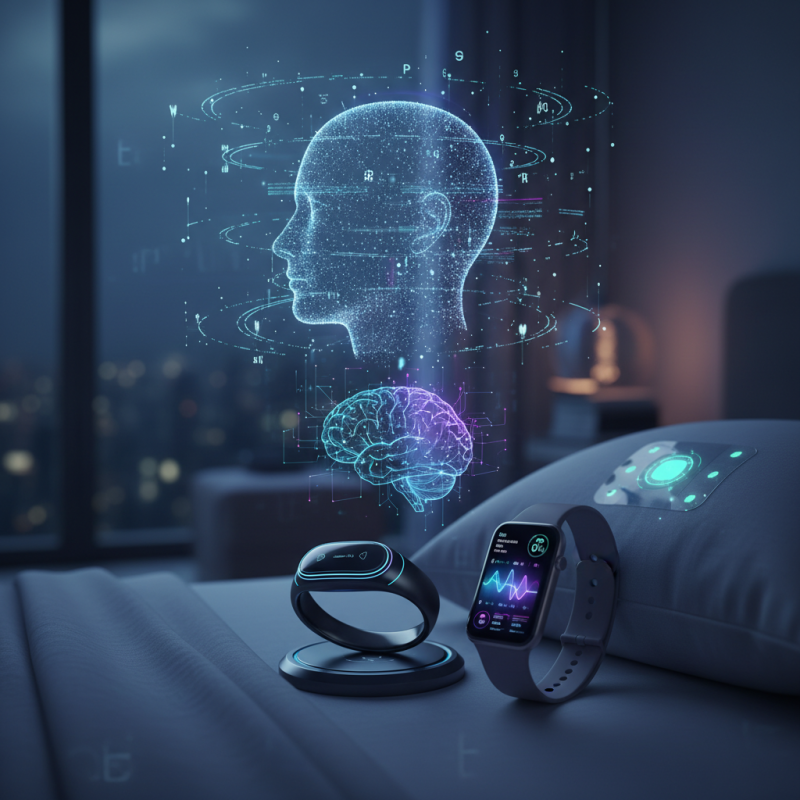
Emerging Wearable Devices for Sleep Tracking in 2026
As we approach 2026, the landscape of sleep tracking is evolving rapidly. Emerging wearable devices are at the forefront of this change. They are designed to provide comprehensive insights into our sleep patterns. These devices will utilize advanced sensors, capable of measuring various metrics such as heart rate, body temperature, and even movement. This data is crucial for understanding sleep quality.
Smart textiles are gaining traction in the wearable market. Imagine a lightweight fabric embedded with sensors that can monitor sleep without discomfort. This technology aims to provide seamless tracking while we rest. While these innovations are promising, they also raise concerns. Will users trust the data? Accuracy remains essential for the effectiveness of sleep monitoring.
Moreover, there are challenges in interpreting the data collected. Users might find it overwhelming to analyze sleep metrics without proper guidance. Continuous improvements in user experience are needed. Simple, actionable insights will help users make meaningful changes. The potential for enhanced sleep quality is significant, but the journey is complex. As these devices become more common, users must remain informed and critical of their capabilities.
Integration of AI and Machine Learning in Sleep Monitoring Technology
The integration of AI and machine learning in sleep monitoring technology is transforming how we understand sleep patterns. Advanced algorithms can now analyze vast amounts of data in real-time. These tools can detect anomalies in sleep cycles and identify potential issues, such as insomnia or sleep apnea. They offer insights based on individual behaviors and environmental factors.
As technology advances, these systems are becoming more accessible and user-friendly. Imagine a device that not only tracks sleep duration but also evaluates the quality of rest based on movement and heart rate trends. Users can receive personalized recommendations to improve their sleep hygiene. However, there are concerns regarding data privacy and the accuracy of machine interpretations. Misinterpretations can lead to unnecessary anxiety about sleep health.
AI-based sleep monitoring may also lack the nuanced understanding that some human experts possess. Relying too heavily on technology could overlook the individual needs of users. The future of this technology will require a balance between AI insights and expert guidance to ensure effective sleep management. The journey toward better sleep continues, and reflection on these tools is essential.
Top Sleep Monitoring Technology Trends to Watch in 2026
| Trend | Description | Expected Impact | Projected Adoption Rate (%) |
| AI-Driven Insights | Utilization of AI algorithms to analyze sleep patterns for personalized recommendations. | Improved sleep quality and tailored sleep routines. | 70% |
| Wearable Sleep Devices | Integration of advanced sensors in wearables to track sleep metrics accurately. | Greater consumer awareness and proactive health management. | 60% |
| Smart Home Integration | Connection between sleep monitoring devices and smart home systems for optimal environments. | Enhanced sleep environments leading to better rest. | 65% |
| Telehealth Integration | Telehealth services using sleep data to inform healthcare providers. | Improved treatment for sleep disorders. | 50% |
| Data Privacy Enhancements | Improved security measures for handling sensitive sleep data. | Increased consumer trust and adoption of sleep tech. | 75% |
Advancements in Non-Invasive Sleep Measurement Techniques
As we approach 2026, the field of sleep monitoring is evolving rapidly. Non-invasive sleep measurement techniques are gaining traction due to their convenience and the potential for more accurate data. Wearable devices have improved significantly, integrating sensors that track not just movement but also heart rate and breathing patterns. This multi-faceted approach offers a comprehensive view of sleep quality.
Recent innovations include smart textiles that can monitor sleep without the bulk of traditional devices. These fabrics are equipped with embedded sensors that detect subtle physiological changes. They promise high accuracy without compromising comfort. However, there are challenges. Data privacy remains a significant concern. Users must balance the benefits of deep insights against the potential risks of data misuse.
Moreover, the interpretation of sleep data can still be inconsistent. Not all findings lead to actionable insights. Users often struggle to understand what the numbers mean. This gap between data and practical application calls for improvement in the technology and education around it. Overall, while advancements in non-invasive techniques are promising, thoughtful implementation is necessary for these tools to reach their full potential.
The Role of Smart Home Ecosystems in Sleep Quality Improvement
The integration of smart home ecosystems is set to redefine sleep quality. By connecting various devices, these ecosystems create environments conducive to restful nights. For instance, smart thermostats can maintain the optimal room temperature, while intelligent lighting adjusts to mimic natural rhythms. This synergy promotes deeper sleep cycles and enhances overall well-being.
Tips for maximizing your smart home for better sleep include setting a bedtime routine with your devices. Automating your lights to dim an hour before bed can signal your body to prepare for rest. Moreover, using smart air purifiers can ensure cleaner air, reducing allergens that disrupt sleep.
It’s crucial to recognize that technology can also pose challenges. Over-reliance on notifications from smart devices may lead to sleep disruptions. Find a balance that works for you. Regularly assess how your devices affect your rest. Adjust your settings if they interrupt your sleep. Successful sleep monitoring depends on tailoring technology to your unique needs.
Personalized Sleep Insights and Recommendations through Data Analytics
As we move toward 2026, personalized sleep insights are becoming increasingly vital. Data analytics is driving this trend. By utilizing advanced algorithms, wearable devices track individual sleep patterns. This technology offers tailored recommendations based on user data. People can receive insights specific to their sleep quality. It empowers users to adjust their habits for better rest.
However, not all insights might be accurate. Variability in personal health conditions can affect results. Users may need to evaluate their data critically. Understanding how different factors impact sleep is essential. For instance, stress levels or diet changes can alter sleep quality. Relying solely on analytics might not give the whole picture. Human intuition still plays a role in recognizing sleep disturbances.
The emerging focus on personalized insights encourages a proactive approach to sleep health. Streamlined data displays help users understand their sleep cycles. They can identify patterns over time, which can lead to improved well-being. As technology continues to evolve, more tools will become available. Users need to remain engaged and question their findings actively. This reflective practice is crucial for truly enhancing sleep quality.
Top Sleep Monitoring Technology Trends to Watch in 2026
This chart illustrates the projected advancements in sleep monitoring technology trends by 2026, focusing on the increasing utilization of personalized sleep insights and data analytics.