What is Reproductive System Health and Why It Matters?
Reproductive System Health is a vital aspect of overall well-being. It encompasses the physical, emotional, and social well-being related to reproductive systems. Maintaining good reproductive health is essential for both men and women. It affects fertility, sexual function, and even mental health. Despite its importance, many overlook it.
There are numerous factors influencing reproductive health. Lifestyle choices, such as diet and exercise, play significant roles. Environmental factors, like exposure to toxins, also impact reproductive health. Regular check-ups and preventive care can help in early detection of issues. Yet, many individuals either delay seeking help or ignore symptoms altogether.
Education is key to improving reproductive system health. Understanding personal risks and available treatments can lead to better decisions. Nonetheless, gaps in knowledge persist. Increasing awareness about this critical area can empower individuals. It promotes proactive health management, reducing long-term complications.
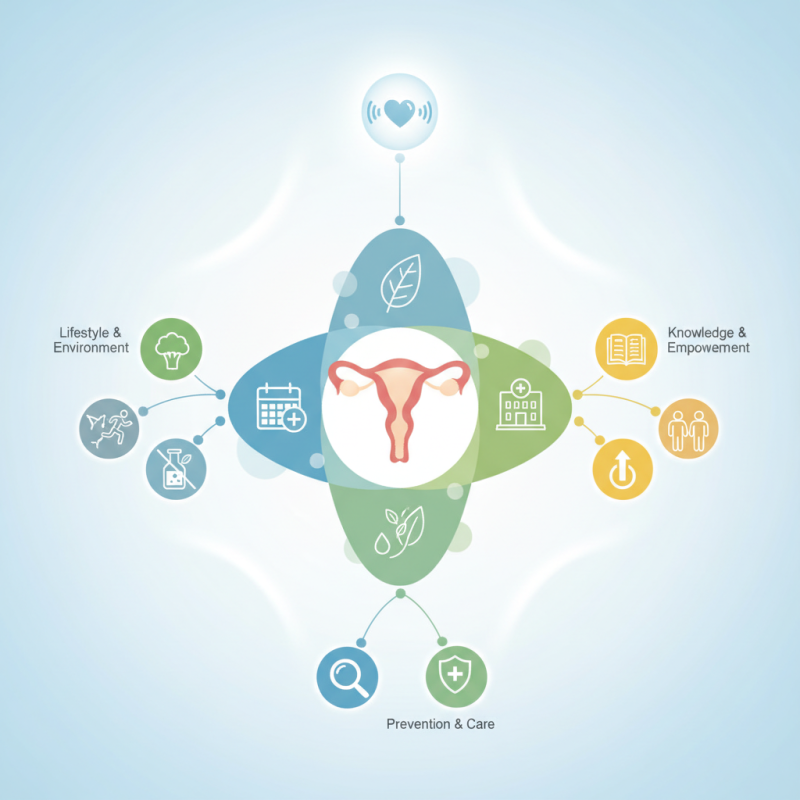
Understanding the Reproductive System: An Overview
The reproductive system is vital for human health. It encompasses organs and hormones crucial for reproduction. Understanding its structure and function helps individuals make informed health decisions. According to the World Health Organization, reproductive health impacts overall well-being and quality of life.
Men and women both face unique challenges. For instance, infertility affects about 15% of couples globally. Factors contributing to this include age, lifestyle, and medical conditions. Women often face hormonal imbalances that can disrupt menstrual cycles, leading to complications. Men might deal with low testosterone levels, impacting fertility.
Education is essential for awareness. Many people remain unaware of reproductive health issues. Regular check-ups and screenings play a key role in prevention. Research suggests that only 50% of individuals understand their reproductive health needs. This gap in knowledge requires attention. People should seek information and consult healthcare professionals for guidance. Awareness can lead to healthier choices and improved reproductive outcomes.
Key Components of the Reproductive System and Their Functions
The reproductive system plays a crucial role in overall health. It comprises various components, each with specific functions. For men, the primary organs include the testes, seminal vesicles, and prostate. The testes produce sperm and hormones. For women, the ovaries, fallopian tubes, uterus, and vagina are vital. The ovaries release eggs and hormones that regulate the menstrual cycle.
According to the World Health Organization, reproductive health affects physical, mental, and social well-being. Infertility, a significant concern, impacts about 15% of couples globally. Factors like age, hormonal imbalances, and lifestyle choices influence fertility. Data from the Centers for Disease Control and Prevention (CDC) shows that around 12% of women aged 15-44 experience difficulty getting pregnant or carrying a pregnancy to term.
Understanding these components highlights their importance. Hormonal health is linked to overall reproductive function. Imbalances can lead to conditions like polycystic ovary syndrome (PCOS) or erectile dysfunction. Not all issues are visible; many arise silently. Regular check-ups can help identify problems early. Proactive management is essential for maintaining reproductive health.
Common Disorders Affecting Reproductive Health
Reproductive health is vital for everyone. Many face disorders that can disrupt their lives. Some common issues include polycystic ovary syndrome (PCOS), endometriosis, and infections. These conditions can affect hormonal balance and fertility. Understanding them helps in seeking timely medical attention.
PCOS is a hormonal disorder affecting many women. Symptoms may include irregular periods, weight gain, and acne. Regular check-ups can help in early detection. Endometriosis leads to tissue growth outside the uterus, which can cause severe pain. If you experience chronic pain, consult a healthcare professional.
Tip: Maintain a healthy lifestyle. Balanced nutrition and regular exercise are key. They can improve your overall reproductive health. Stress management is crucial too. Practice mindfulness or yoga. Address any symptoms early to avoid complications. Awareness is essential for better health outcomes.
Impact of Lifestyle Choices on Reproductive Well-being
Lifestyle choices profoundly impact reproductive well-being. Research indicates that about 30% of infertility cases are linked to lifestyle factors. These include diet, exercise, and stress management. A balanced diet rich in fruits and vegetables may enhance fertility. For instance, a study published in Fertility and Sterility found that women with higher fruit intake had a 25% lower risk of infertility.
Physical activity plays a crucial role too. Regular exercise benefits hormonal balance and supports overall health. However, extremes in exercise—both too little and too much—can disrupt menstrual cycles in women. According to a report from the American Society for Reproductive Medicine, maintaining a healthy weight is essential. It notes that obesity can lead to an increase in ovulatory disorders, affecting fertility rates.
Stress cannot be overlooked. High stress levels can alter hormone production, negatively affecting reproductive processes. Mindfulness practices, like yoga and meditation, can reduce stress and promote reproductive health. Yet, many individuals overlook this aspect, prioritizing work over well-being. Addressing lifestyle habits proactively can lead to long-term benefits in reproductive health. Each choice counts, and reflection on these habits can lead to healthier outcomes.
Importance of Regular Health Screenings for Reproductive Health
Regular health screenings are crucial for maintaining reproductive health. According to the Centers for Disease Control and Prevention (CDC), nearly 1 in 5 women experience reproductive health issues that can impact their quality of life. Routine screenings, such as pelvic exams and Pap tests, can detect conditions early. Early detection significantly increases treatment success rates.
The American College of Obstetricians and Gynecologists recommends annual check-ups for sexually active women. Many people delay these screenings due to fear or lack of awareness. However, research shows that 60% of reproductive health problems can be managed effectively if caught early. For instance, HPV screening can prevent cervical cancer significantly.
A troubling fact is that nearly 30% of women neglect regular health screenings. This could result from misconceptions about their importance. Education plays a pivotal role in encouraging women to prioritize their reproductive health. It is essential to support women in understanding the value of these screenings.