What is a Pressure Relief Cushion and How Does It Work?
Pressure relief cushions are essential for individuals who are at risk of developing pressure ulcers. A study published in the "Journal of Wound Care" suggests that 1 in 10 patients in healthcare settings experience these injuries. Pressure relief cushions distribute weight evenly to minimize pressure on vulnerable areas.
These cushions utilize various materials and designs to enhance comfort. Some employ gel or air technology, while others are made of memory foam. A recent report by the National Pressure Injury Advisory Panel indicates that proper use of pressure relief cushions can reduce the incidence of ulcers by 60%.
Despite these benefits, many patients do not use these cushions effectively. Sometimes they are not adjusted properly or replaced when worn out. This negligence can negate their protective benefits. Awareness and education about pressure relief cushions are crucial for prevention and treatment outcomes.
What is a Pressure Relief Cushion: Definition and Purpose
A pressure relief cushion is designed to reduce pressure on specific body areas. It serves an essential purpose for those who spend long hours sitting or bedridden. Using materials like memory foam or gel, these cushions help distribute body weight evenly. This can alleviate discomfort and prevent skin breakdown.
The effectiveness of a pressure relief cushion depends on proper usage. Positioning it correctly is vital. Many users overlook this detail. A cushion that is not aligned can fail to provide the needed support. Regularly assessing its condition is also crucial. Signs of wear may indicate that it is no longer effective.
Moreover, not all cushions suit everyone. Individual body shapes and weights vary significantly. This can affect how well a cushion performs. Some people find they need to try several options before finding the right fit. Personal preferences play a role, too. A cushion may feel comfortable initially but might cause issues over extended use. Being reflective about these factors can lead to better choices.
The Importance of Pressure Relief Cushions in Preventing Pressure Ulcers
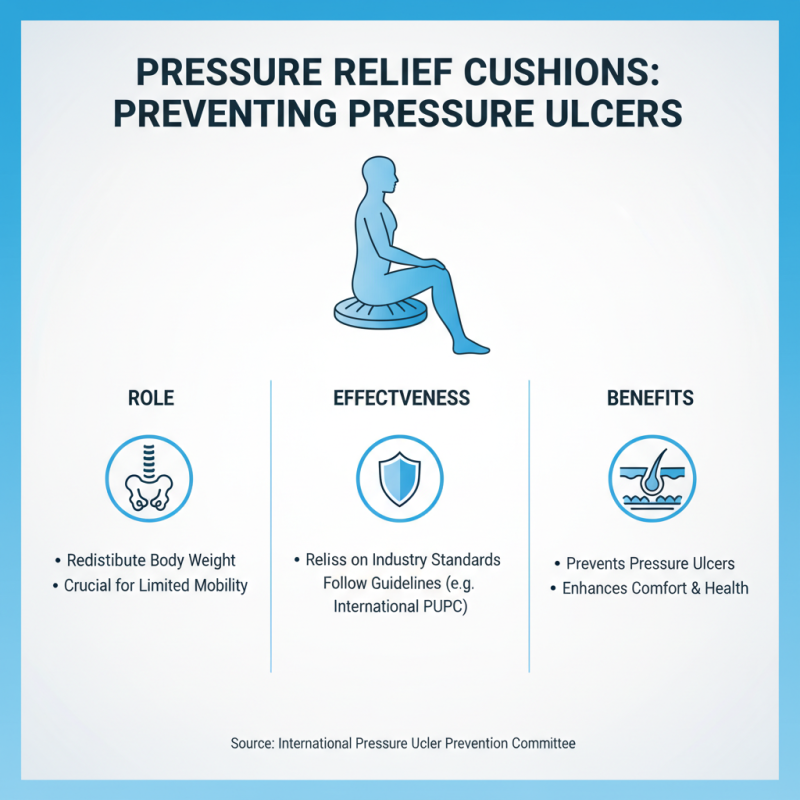
Pressure relief cushions are essential for those who spend prolonged periods sitting or lying down. These cushions help distribute body weight evenly. This action reduces pressure on specific body parts, especially the hips, spine, and heels. By doing so, they play a vital role in preventing pressure ulcers, which can develop from consistent pressure on the skin.
Pressure ulcers, also known as bedsores, can be painful and debilitating. They often arise when blood flow to the skin is restricted. For individuals with limited mobility, these ulcers can lead to serious health complications. Imagine a patient in a hospital bed. Without proper pressure relief, small red marks can quickly escalate into deep wounds. Regular repositioning is important, but these cushions offer added support.
Despite their benefits, many people overlook the importance of pressure relief cushions. Some may believe that regular pillows or cushions will suffice. However, not all cushions are created equal. They may not provide the necessary support. It’s crucial to choose the right type and ensure they are used properly. Everyone deserves to be comfortable and protected from the risk of pressure ulcers.
How Pressure Relief Cushions Function: Mechanisms and Materials Used
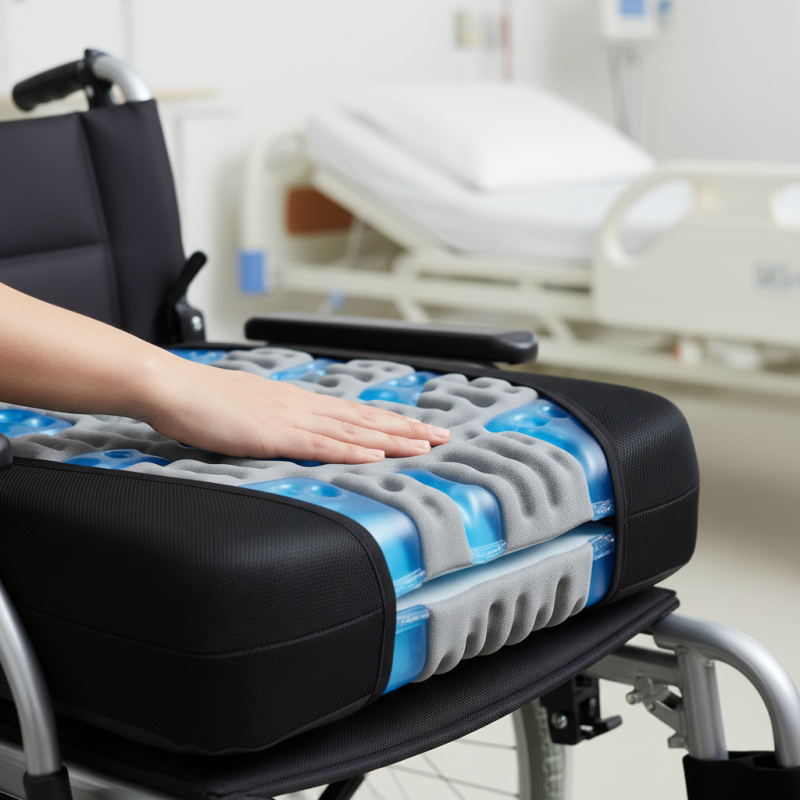
Pressure relief cushions are vital for preventing pressure ulcers. They provide support and comfort to individuals who are at risk. These cushions are typically made from foam, gel, or air-filled materials. Each material has unique properties that enable them to distribute weight evenly.
Foam cushions often utilize viscoelastic foam. This material responds to body heat and weight, adapting to individual shapes. Studies indicate that viscoelastic foam can reduce peak pressure points by up to 40%.
Gel cushions are another popular choice. They can work well in dissipating heat while providing a cool surface. Some reports highlight that gel cushions improve blood circulation, decreasing injury risk. Meanwhile, air-filled cushions adjust the level of firmness and can be inflated or deflated for personalized comfort.
However, not all cushions work for everyone. A study noted a 20% failure rate in preventing ulcers among certain users. Factors like weight, activity level, and skin condition play critical roles.
Optimal cushioning can be a complex puzzle. It demands careful consideration of individual needs. The right choice may require trial and error, and it's essential to monitor effectiveness over time.
Key Types of Pressure Relief Cushions: Comparisons and Applications
Pressure relief cushions play a vital role in preventing pressure sores. These cushions are designed to distribute weight evenly. They are especially useful for individuals who sit for prolonged periods, such as those with limited mobility.
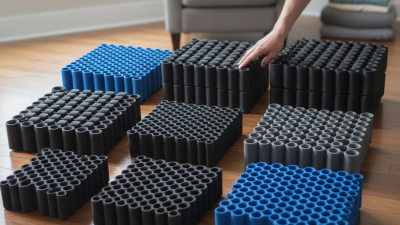
There are several types of pressure relief cushions. Foam cushions are common and provide basic support. Gel cushions offer better pressure distribution and reduce heat retention. Air-filled cushions adapt to body shape, providing excellent comfort. Each type has its advantages and is suited to different needs.
Tips: Choose a cushion based on the level of support you require. Test different types to find what feels the best. Remember, frequent adjustments and movement are essential, even with a good cushion. This can help mitigate the risk of developing sores.
Consider practicality over luxury. A more expensive cushion is not always the best choice. Some users find that budget options work just as well. It's worth doing a little research and seeking opinions.
What is a Pressure Relief Cushion and How Does It Work?
| Type of Cushion |
Material |
Benefits |
Applications |
Pressure Relief Effectiveness |
| Foam Cushion |
Polyurethane Foam |
Lightweight, cost-effective |
Home use, office chairs |
Moderate |
| Gel Cushion |
Silicone Gel |
Good pressure distribution, cooler |
Wheelchairs, long-term seating |
High |
| Air Cushion |
Air-filled cells |
Adjustable firmness, lightweight |
Hospital use, pressure sore prevention |
Very High |
| Memory Foam Cushion |
Viscoelastic Foam |
Conforms to body shape, supports joints |
Chronic pain management, office use |
High |
| Hybrid Cushion |
Combination of materials |
Versatile support, enhanced comfort |
Multi-use, adjustable settings |
Very High |