Celebrating 45 Years of clinical innovation, comfort, and caregiver support at Broda.
Explore the Legacy!Opaque Stained Glass Sheets offer a practical way to bring color and privacy into windows, doors, lamps, and decorative panels. Their surfaces diffuse light rather than revealing a clear view, but the effect varies with color, texture, and thickness. A pale white sheet may soften daylight gently; a dense blue or amber piece can make a room feel noticeably darker. Small details matter.
This guide introduces ten options for global buyers, focusing on visual character, workable formats, and the information worth checking before purchase. It considers whether a sheet suits a compact craft project or a larger architectural feature, and what buyers should ask about dimensions, edge quality, color consistency, and protective packaging. Photographs can be misleading. Requesting a sample is often the wiser step, especially when matching existing glass or ordering across borders.
There is no single best sheet for every project. Manufacturing methods and product specifications can differ, so confirm the supplier’s current data rather than relying on a listing alone. Check how the glass behaves under your intended lighting, and consult a qualified fabricator for cutting or installation requirements. Even a careful comparison has limits: color perception changes with surroundings, and samples may not represent every production batch. The selections ahead provide a useful starting point, not a substitute for checking the details yourself.
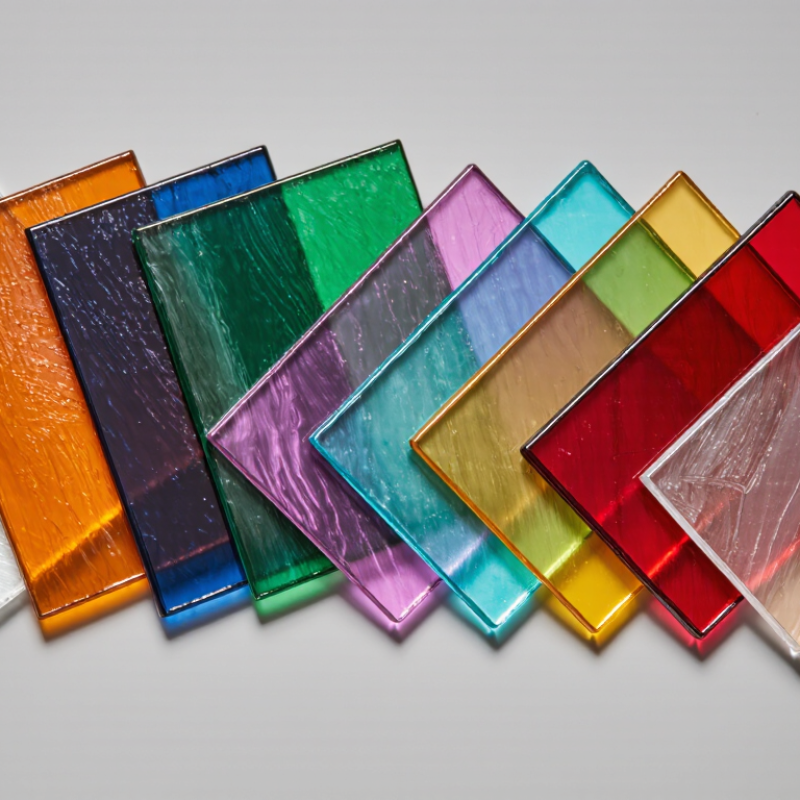
Opaque stained glass is not simply colored glass with zero light transmission. In trade use, “opaque” usually means the sheet strongly obscures objects while still allowing some light through. There is no universal visible-light-transmittance cutoff for every decorative product. Appearance depends on pigment density, opacifier distribution, thickness, and surface texture. Hold a sample against a bright window: its edges may glow even when the center looks solid. That difference matters in cabinet doors and room dividers.
For objective comparison, ask for measured visible transmittance, not just a color name. ISO 9050:2003 assesses light transmittance across the 380–780 nm visible range; ASTM E903-20 covers solar optical measurements from 300–2,500 nm. These are distinct bands, so a solar figure alone cannot describe how bright a sheet looks indoors. Request the test method, specimen thickness, and whether readings are normal or diffuse. A milky white sheet may scatter light widely, while a dark red sheet may look vivid at its edges. Check samples beside the actual frame in daylight. Sounds basic. It catches mismatches. Still, one small sample can mislead: production variation, firing, and viewing angle may shift the result.
Opaque stained glass begins as a measured batch of silica sand, soda ash, and stabilizing minerals. For color, producers add selected metal oxides. To reduce transparency, they may include opacifying materials, such as compounds containing tin or zirconium. Exact recipes vary by glass type and desired appearance. Small changes can shift a sheet from milky to dense.
The batch melts in a furnace until it becomes a uniform liquid. Workers then form it into sheets, often by rolling or pressing the glass. Textured rollers can leave ripples or patterns on the surface. The sheets cool slowly in an annealing lehr, which helps relieve internal stress. After cooling, inspectors check thickness, color consistency, bubbles, and surface defects before sheets are cut or packed. Not every variation is a flaw; still, I would not assume a sample perfectly represents a full production run.
Tips: Ask for samples from the intended color and finish. Check both sides in daylight and under indoor lighting. Confirm sheet dimensions, thickness tolerance, and packing protection before ordering. Opaque glass can still show subtle differences between batches. Keep a spare sheet if color matching matters.
How opaque stained glass sheets are made
Glass ingredients are melted and refined, then shaped into sheets and slowly annealed to reduce internal stress. Opacifiers added to the glass create its light-blocking appearance. Temperatures vary with the glass formulation and production method; the ranges shown are indicative, not universal specifications.
Opaque stained glass sheets give makers color, privacy, and texture without a clear view through the panel. Global buyers often compare solid-color, dense opalescent, mottled, streaky, granite-textured, hammered, ripple, floral-pressed, confetti, and backed opaque styles. Their appearance can shift under daylight. A red sheet may look deep indoors but brighter against a window. Request samples and inspect them in both settings before approving a large order.
The U.S. Department of Energy’s Energy Saver guidance says heat gain and loss through windows account for about 25–30% of residential heating and cooling energy use. This figure applies to windows generally; it does not rate stained glass sheets. For a project, check the full assembly, including the frame and any protective glazing. Also confirm sheet dimensions, thickness, color variation, and edge condition. These details matter when panels must fit closely.
Tips: Ask suppliers for a batch sample, written size tolerances, and protective crate specifications. Photograph approved colors beside a neutral white card. One practical flaw: screen images rarely show opacity reliably. Treat them as a starting point, not final approval.
| Rank | Sheet Type | Typical Appearance | Light and Privacy | Common Thickness | Common Buying Formats | Typical Uses | Buyer Checks |
|---|---|---|---|---|---|---|---|
| 1 | White opal glass | Milky white, often with a smooth or softly clouded surface | Obscures direct views; may transmit a soft, diffused glow | About 2–4 mm | Small craft sheets, cut-to-size pieces, or larger stock sheets; sizes vary by supplier | Lampshades, light panels, privacy accents, and decorative windows | Check whether the sheet is fully opaque or glows when backlit; compare color under natural and artificial light. |
| 2 | Black opaque glass | Deep black with a solid, generally even color | Typically blocks most visible light and provides strong visual privacy | About 2–4 mm | Small craft sheets and project-size pieces are common; larger formats are supplier-dependent | High-contrast mosaics, borders, lettering, and contemporary panels | Inspect for color uniformity, surface marks, and edge chips; confirm that the black is through-colored or surface-coated. |
| 3 | Red opaque glass | Solid red, ranging from bright scarlet to deeper tones | Usually obscures clear views; backlighting may reveal varying degrees of glow | About 2–4 mm | Craft-size sheets and cut pieces; available sheet dimensions vary | Decorative panels, focal details, mosaics, and accent pieces | Request a sample when color matching matters, as red shades can look different under daylight and warm lighting. |
| 4 | Blue opaque glass | Solid blue, commonly offered in lighter and darker shades | Diffuses or blocks views depending on the glass; it is not a substitute for rated glazing | About 2–4 mm | Small sheets, project cuts, and selected larger sheets depending on the supplier | Decorative windows, mosaic work, and color-blocked designs | Confirm the shade, surface finish, and whether the sheet is suitable for the intended cutting or fabrication method. |
| 5 | Green opaque glass | Solid green, from muted or earthy tones to brighter hues | Generally obscures direct detail; transmitted light, if present, is diffuse | About 2–4 mm | Craft sheets and cut-to-size pieces are common; full-sheet availability varies | Nature-inspired panels, borders, mosaics, and decorative inserts | Check for shade variation between sheets and ask whether the color is consistent across the full piece. |
| 6 | Yellow or amber opaque glass | Warm yellow, gold, or amber appearance, often visually bright | Usually conceals objects behind it; some varieties produce a warm glow when illuminated | About 2–4 mm | Small craft sheets and project-size cuts; dimensions depend on stock and production | Accent panels, lampshades, mosaics, and warm-toned designs | Check the color in the intended lighting, since yellow and amber tones can shift noticeably when backlit. |
| 7 | Purple opaque glass | Solid violet or purple, sometimes with subtle shade variation | Typically obscures clear views; light transmission depends on the specific formulation | About 2–4 mm | Craft-size sheets and cut pieces; larger sizes may require a special order | Decorative accents, mosaics, and custom stained-glass panels | Request a physical sample for color approval and check whether multiple sheets match closely enough for the project. |
| 8 | Pink opaque glass | Soft pink to stronger rose tones, usually with a solid or lightly clouded look | Obscures direct detail; may allow gentle diffuse light through some varieties | About 2–4 mm | Small sheets and project cuts are typical; exact formats vary by seller | Decorative panels, craft projects, mosaics, and accent windows | Confirm the shade and degree of opacity in person or with a representative sample before ordering multiple sheets. |
| 9 | Multicolor opalescent glass | Clouded or layered color with soft transitions between tones | Usually diffuses views; appearance can change with backlighting and viewing angle | About 2–4 mm | Individual craft sheets and larger stock pieces; pattern and size availability vary | Feature pieces, lampshades, artistic panels, and mixed-color designs | Ask for images of the actual sheet or batch, as pattern placement and color distribution are not uniform. |
| 10 | Streaked or swirled opaque glass | Visible ribbons, streaks, or swirls within an opaque or opalescent color field | Generally provides visual screening; the amount of diffuse light varies by product | About 2–4 mm | Craft sheets and project-size cuts are common; larger pieces may have limited availability | Decorative panels, focal sections, and designs that benefit from visible texture | Check the pattern direction and usable area; natural variation means each sheet may differ. |
Thicknesses and buying formats shown are common general ranges, not universal specifications. Actual dimensions, color, opacity, and availability vary by product and supplier. Confirm a current technical specification and sample before placing a bulk or project-critical order. Opaque decorative glass is not automatically safety-rated glazing.
When comparing opaque stained glass sheets, judge color in the light where the finished piece will be used. A deep blue may look almost black beside a bright window, while the same sheet can appear softer under indoor lighting. Ask for a sample, then view it against both a pale and a dark background. Small differences matter. Texture also changes the result: a lightly rippled surface diffuses light gently, while a coarse pattern can make edges look less crisp. Check several areas of each sheet, since color and texture may vary slightly.
Tips: Compare samples side by side under the same light. Note the stated thickness, but confirm the actual measurement when fit or weight matters. A small variation can affect a tight channel or lead came. Record color, surface texture, thickness, and light transmission before ordering.
Opaque does not always mean that no light passes through. Some sheets glow softly at the edges or show a faint color when backlit; others block nearly all visible light. Request transmission details when available, and test a cut sample if the effect is important. Also check that the sheet can be handled with your intended tools and support method. Product descriptions can be useful, but they rarely show every visual nuance. A little uncertainty remains until you inspect the glass in person.
For opaque stained glass sheets, assess more than color photographs. Ask suppliers for thickness tolerances, sheet dimensions, edge-finish options, and batch-level color records. Request a physical sample under daylight and warm indoor lighting; a sheet that looks even on screen may reveal streaks in person. Small details matter. Check visible-light transmission when opacity is critical, and agree on an acceptance range before production. ISO 9050 provides methods for determining light and solar characteristics of glazing, while EN 572 addresses basic soda-lime silicate glass. Confirm that the chosen standard applies to the specific decorative product, rather than assuming it does. That point is easy to miss.
Shipping needs equal scrutiny. UNCTAD’s Review of Maritime Transport 2024 reports that shipping carries over 80% of global trade by volume, making reliable packaging essential to international supply chains. Ask how sheets are separated, edge-protected, and secured upright inside a crate. Request crate dimensions, gross weight, loading photos, and a written damage-claim process before paying a deposit. Compare the full delivered cost, including freight, insurance, and destination handling, not just the sheet price. A supplier’s shipping estimate can still be incomplete. Confirm who arranges inspection and what happens if arrival photos show chipped corners or moisture damage.