Non Prescription Lenses Tips for Global Buyers How to Choose?
As the global eyewear market expands, the demand for non-prescription lenses has surged. According to a recent report from Market Research Future, the non-prescription eyewear market is projected to grow at a compound annual growth rate (CAGR) of over 8% by 2025. This growth reflects the rising popularity of non-prescription lenses among consumers, driven by fashion trends and digital lifestyle needs.
Choosing the right non-prescription lenses can be daunting. Key factors include lens material, UV protection, and style. Not every lens is suitable for everyone, so understanding individual needs is crucial. For instance, polycarbonate lenses are favored for their lightweight and impact-resistant properties. Additionally, the rise of blue light filtering lenses is noteworthy, as more individuals seek ways to protect their eyes from digital eye strain.
However, buyers must navigate a plethora of options. A lack of regulatory standards may lead to inconsistencies in quality. As trends evolve, users should be mindful of the source and performance of their non-prescription lenses. Consumer education remains essential for making informed choices that benefit both style and eye health.
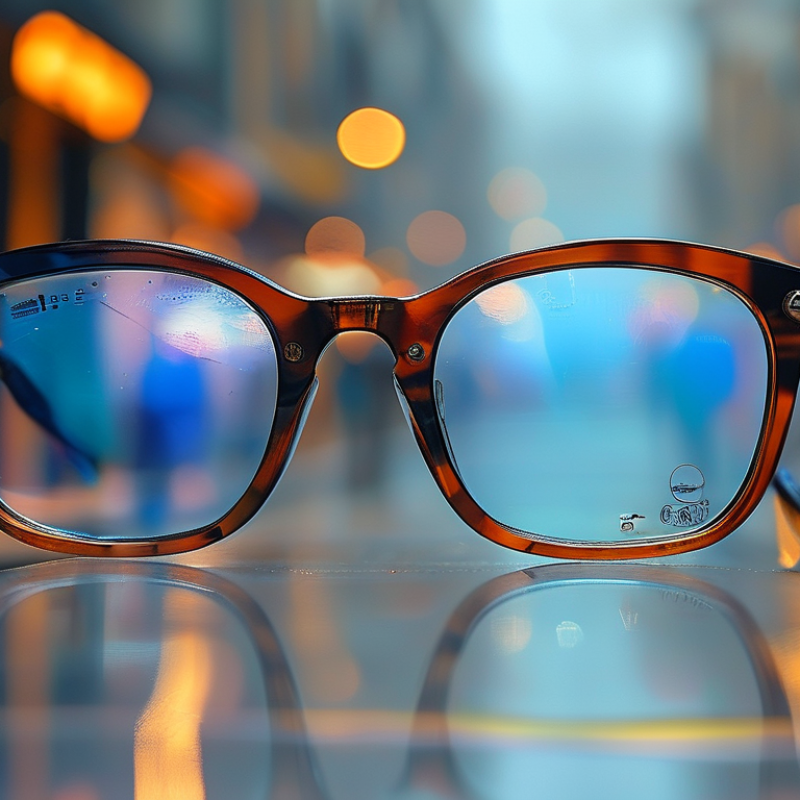
Understanding Non-Prescription Lenses and Their Types
Non-prescription lenses are versatile and appealing to many consumers. They come in various types, each serving unique needs. Understanding these lenses can enhance your selection process. There are tinted lenses, often chosen for style. They reduce glare and may provide UV protection. However, not all tinted lenses are equal. Some may distort colors, impacting your experience.
Clear non-prescription lenses serve different purposes. They can be used for screen protection. These lenses help reduce digital eye strain. However, the level of protection varies. Look for options that specify blue light filtering. Fashion-oriented non-prescription glasses often include decorative frames. These may lack functional features, so check specifications carefully.
When choosing, consider your lifestyle and specific needs. Assess your daily activities. Are you frequently outdoors? Do you spend long hours at a screen? These factors influence your choice. Buying online can be tempting but leads to potential pitfalls. Measurements must be accurate for a proper fit. Research thoroughly for details on dimensions and material. This knowledge improves your overall satisfaction.
Factors to Consider When Choosing Non-Prescription Lenses
When choosing non-prescription lenses, several factors play a crucial role. Firstly, consider the lens material. Polycarbonate is lightweight and impact-resistant, while glass offers superior optics. Each material has its pros and cons, influencing comfort and durability. Think about your lifestyle. If you're active, polycarbonate might be the better option.
Next, lens tint is important for comfort and protection. Tinted lenses can reduce glare and improve visibility in bright conditions. Additionally, polarization is a key feature. Polarized lenses eliminate reflected light, making them ideal for outdoor activities. Ensure you select tints that suit your environment; this choice can enhance your eye care.
Here are a few tips: always check for UV protection, as it safeguards your eyes from harmful rays. Take time to explore various lens shades to find what feels right for you. Reflect on your daily activities. Do you spend more time outdoors or indoors? Your answer can guide your decision significantly. Remember, finding the right non-prescription lenses is about balancing style, comfort, and protection.
Non-Prescription Lenses Selection Factors
Evaluating Lens Materials and Their Benefits
When considering non-prescription lenses, evaluating lens materials is crucial. Different materials offer unique benefits and drawbacks. For instance, polycarbonate lenses are lightweight and impact-resistant, making them a popular choice for active individuals. They can withstand bumps and falls better than other materials.
Acrylic lenses are another option. They are highly affordable but can scratch easily. This might not be the best choice for long-term use. Glass lenses provide excellent optical clarity, yet they are heavier and more fragile. Users often face a dilemma between durability and clarity.
Another aspect to ponder is UV protection. Selecting lenses that offer UV blocking capabilities is essential for eye health. People often overlook this feature, affecting long-term vision. Evaluating the lens coatings is equally important. Anti-reflective or anti-scratch coatings can enhance the lifespan and usability of the lenses. Ultimately, understanding materials and their implications helps buyers make informed decisions.
Top Brands Offering Non-Prescription Lenses Globally
When exploring non-prescription lenses, buyers often seek the best brands available globally. Many companies provide stylish frames combined with quality lenses. The variety can be overwhelming. Finding the right pair involves understanding your needs and preferences.
Researching brands is crucial. Look for those that emphasize quality and user satisfaction. Read reviews and check community feedback. Many brands showcase their products through social media. This helps you see how the lenses perform in real life. Always verify the source before making a purchase. It builds trust in your chosen brand.
Tips for choosing non-prescription lenses include considering your lifestyle. Do you need them for work or casual outings? Think about lens materials, styles, and UV protection. Opt for brands that offer a trial period. This allows for testing comfort and fit before committing. Remember, even popular brands can have flaws. Don't hesitate to refine your choices based on your experience.
Explore new trends and innovative designs as well. The market evolves, bringing fresh ideas that may suit your style. Keep an open mind and be ready to experiment.
Tips for Purchasing Non-Prescription Lenses Online
When purchasing non-prescription lenses online, ensuring quality is essential. Buyers must consider several factors before making a decision. Start by understanding the materials used in the lenses. High-quality plastic and polycarbonate options offer durability and comfort. Lenses should also come with UV protection to safeguard your eyes from harmful rays.
Another crucial aspect is the return policy. Many online retailers offer a grace period for returns or exchanges. This can be a lifesaver if the lenses don’t fit well or meet your expectations. Do not overlook user reviews; they can provide insights on the lens quality and seller reliability. Pay attention to comments about comfort and customer service.
Finally, beware of extremely low prices. Cheap lenses may seem tempting but could result in poor eye health. Prioritize your eye safety over savings. Analyze multiple sites to gauge price ranges and features. Aim for a balance between cost and quality, ensuring you invest wisely in your eye care. This approach can lead to a satisfactory purchase, even amid the overwhelming online choices.