What Is Hydrolyzed Bovine Collagen?
Hydrolyzed bovine collagen is collagen obtained from cattle and processed into smaller peptide chains. These peptides dissolve more easily in water than standard collagen gelatin. You may find them in powders, capsules, drinks, and functional foods. The texture is often light, with little visible residue in a glass of water.
The phrase “Collagen Hydrolyzed Bovine” describes both the source and the processing method. “Bovine” means cattle-derived, while “hydrolyzed” indicates enzymatic or chemical breakdown. This process does not create a complete protein equivalent to meat, eggs, or dairy. Instead, it provides specific amino acids, including glycine, proline, and hydroxyproline. The body then digests and uses these amino acids according to its needs.
Evidence suggests that collagen peptides may support skin hydration and elasticity in some adults. Results can vary with dosage, product quality, diet, age, and study design. The benefits are not guaranteed. That matters.
A reliable explanation should examine more than marketing language. Check the ingredient label, peptide source, allergen statements, testing information, and serving size. Bovine collagen may not suit people avoiding animal-derived ingredients. Individuals with relevant allergies, medical conditions, or dietary restrictions should seek professional advice before use. Product research is still developing, and some claims remain stronger than the evidence supports. In practice, expectations should stay realistic: collagen supplements may complement a balanced diet, but they cannot replace protein-rich foods, medical treatment, or consistent skincare habits.
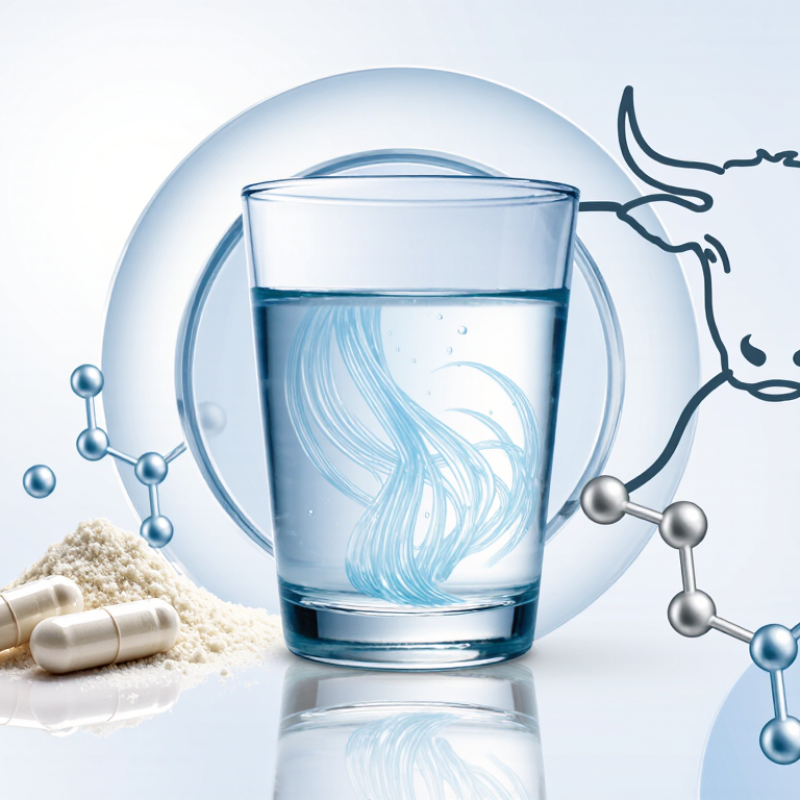
What Is Hydrolyzed Bovine Collagen?
What Is Hydrolyzed Bovine Collagen?
Hydrolyzed bovine collagen is collagen from cattle, usually processed from hides or bones. Enzymes or water break its large protein chains into smaller peptides. This process is called hydrolysis. The resulting powder often dissolves easily in water, coffee, or smoothies. It contains amino acids such as glycine, proline, and hydroxyproline. These compounds help form the body’s connective tissues, including skin, tendons, cartilage, and bone.
The body does not send collagen directly to one specific area. It digests the peptides and uses their amino acids according to its needs. Research suggests possible support for skin moisture, joint comfort, or muscle-related nutrition, but results vary. Evidence is promising, not perfect. Product quality also differs. Some powders may have a noticeable smell or dissolve unevenly. That detail matters in daily use.
Tips: Choose a product with clear sourcing, batch testing, and simple ingredient information. Check whether it contains added sweeteners or allergens. Mix it into a warm drink, but avoid assuming more is always better. People with beef allergies, dietary restrictions, or medical conditions should ask a qualified healthcare professional before using it. A supplement can support a balanced diet, but it cannot replace adequate protein, sleep, or medical care.
How Bovine Collagen Is Hydrolyzed
Hydrolyzed bovine collagen is collagen broken into smaller peptides for easier mixing and digestion. It commonly comes from bovine hides, bones, or connective tissues. The process does not create new collagen; it changes the protein’s size and structure. Grand View Research estimated the global collagen market at approximately USD 10.35 billion in 2023. However, market reports use different definitions, so their figures are not perfectly comparable.
How bovine collagen is hydrolyzed matters more than the label alone.
Manufacturers first clean and pretreat the raw material. This step can remove fat, minerals, and unwanted tissue. Controlled heat and enzymes then break collagen’s peptide bonds. Temperature, pH, enzyme type, and reaction time influence the resulting peptide distribution.
The liquid is filtered, concentrated, and commonly spray-dried into a fine powder. Smaller peptides usually dissolve quickly in cool water. They may also produce less noticeable texture.
Still, “hydrolyzed” does not guarantee identical quality. A 2024 MarketsandMarkets report also identified product consistency and processing technology as important market factors.
Independent testing should confirm molecular-weight distribution, amino-acid composition, microbiological safety, heavy metals, and traceability.
Tips: Choose products with clear source details and testing information. Check the peptide profile when available. Do not rely on “low molecular weight” alone. Processing conditions can vary between batches, and published claims sometimes simplify a complicated process.
Key Types and Nutritional Components
What Is Hydrolyzed Bovine Collagen?
Key Types and Nutritional Components
Hydrolyzed bovine collagen is collagen treated with enzymes and water. This process breaks large proteins into smaller peptides. The powder usually dissolves quickly in cool water. Its taste may be mild, but texture varies between products. Bovine collagen mainly provides type I collagen, with smaller amounts of type III. Type I supports skin, bone, tendon, and connective tissue structure. Type III is linked with flexible tissues and blood vessel walls. These descriptions explain structure, not guaranteed results.
Collagen peptides are rich in glycine, proline, and hydroxyproline. They also provide protein, but they are not complete protein. Collagen contains little or no tryptophan and may lack several essential amino acids. That matters when someone uses it instead of eggs, legumes, dairy, fish, or meat. A balanced diet still does the heavier nutritional work. Plain collagen is not naturally rich in calcium or vitamins. Added nutrients must be checked on the label.
Check the ingredient panel, serving size, allergen statement, and testing information. “Hydrolyzed” describes processing, not quality by itself. Research suggests possible benefits for skin appearance or joint comfort. However, studies differ in dose, duration, and participant health. The evidence is promising, not perfect. Collagen should not be treated as medicine or a shortcut to stronger tissue. Individual responses can be subtle. Expectations deserve a reality check.
What Is Hydrolyzed Bovine Collagen? — Key Types and Nutritional Components
Hydrolyzed bovine collagen is collagen that has been enzymatically broken into smaller peptides for easier mixing and digestion. Bovine collagen is mainly Type I, with smaller amounts of Types III and V. The chart shows an approximate amino-acid residue profile commonly associated with bovine collagen.
Glycine, proline, and hydroxyproline are especially abundant in collagen and form much of its characteristic triple-helix structure. Hydroxyproline is a collagen-related amino acid residue rather than one of the standard dietary amino acids. Exact values vary according to bovine tissue source, processing method, and analytical procedure.
Potential Benefits and Common Uses
Hydrolyzed bovine collagen is collagen broken into smaller peptides, making it easier to mix into drinks, oatmeal, or soups. It usually comes from cattle skin or bones and provides amino acids such as glycine and proline. In practical use, the powder dissolves best in warm liquids, although some products may leave a mild taste.
Potential benefits are most often linked to skin, joints, and connective tissue. Some clinical studies suggest regular collagen peptide intake may support skin hydration and elasticity. Other research indicates possible improvements in joint comfort, especially alongside exercise.
Results vary. The evidence is promising, but not perfect. Collagen is not a complete protein and should not replace varied meals, strength training, or professional medical care.
Common uses include stirring it into morning coffee, blending it into a smoothie, or adding it to post-workout meals. Some people use it to support nail strength or general protein intake, though these effects are less certain. Consistency matters more than a single serving. Read the ingredient label carefully, especially if you have food allergies, dietary restrictions, or concerns about bovine-derived ingredients. It is also worth remembering that “natural” does not automatically mean suitable for everyone. A healthcare professional can help assess whether collagen fits your individual needs.