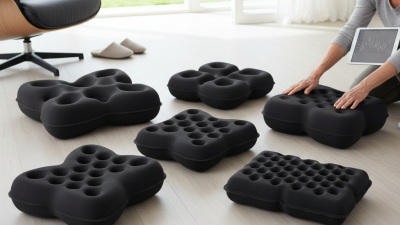
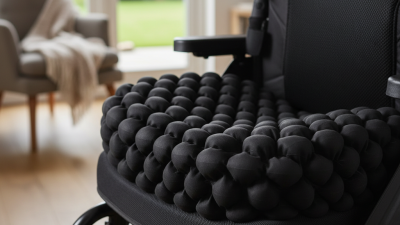
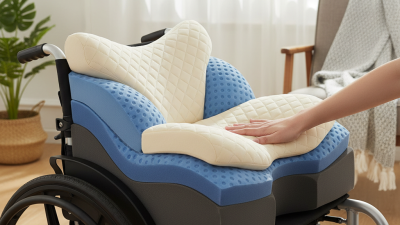
What is a Geriatric Chair and Why is it Essential for Seniors?
The geriatric chair plays a crucial role in enhancing the comfort and safety of seniors. Designed specifically for their unique needs, this chair provides support and promotes independence. Many seniors face challenges with mobility and stability, making the geriatric chair an essential asset in their daily lives.
Unlike standard chairs, the geriatric chair offers features like adjustable height, supportive armrests, and added cushioning. Its design aims to prevent falls and encourage proper posture. Yet, not every elderly person may recognize its benefits. Some might feel hesitant or skeptical about using such specialized furniture. It’s important to consider their feelings and provide information to reassure them.
Incorporating a geriatric chair into a senior's living space can significantly improve their quality of life. It facilitates easier movement, reduces strain, and supports better interaction with family and friends. Addressing both physical and emotional aspects of aging, the geriatric chair serves as more than just a piece of furniture; it is a symbol of care and understanding. Exploring its impact can lead to a broader discussion on enhancing senior care and well-being.
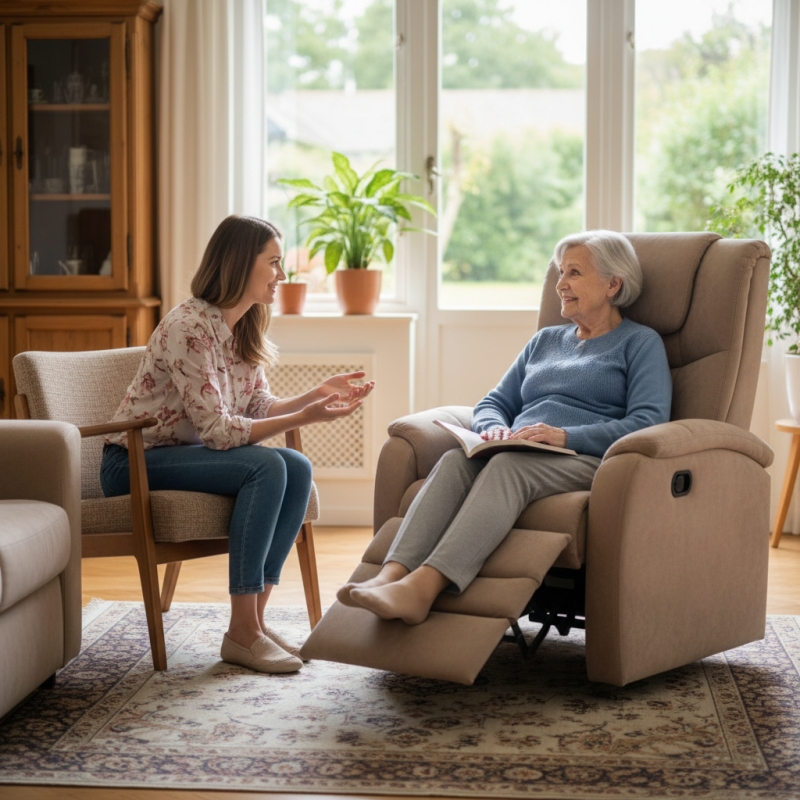
Understanding the Concept of a Geriatric Chair for Seniors
A geriatric chair is specifically designed for seniors, providing safety and comfort. These chairs support individuals with mobility issues or health concerns. According to a study by the Gerontology Research Group, about 30% of seniors experience difficulties with seating due to limited mobility. This statistic highlights the importance of having appropriate seating options.
The design of a geriatric chair focuses on functionality. Many feature adjustable heights, armrests, and lumbar support. Such features help seniors sit down and rise with minimal effort. A well-designed chair enhances independence, a key factor for cognitive and emotional well-being in older adults. Recent data indicates that comfortable seating can improve mood and reduce anxiety.
Tips: Choose a chair with non-slip surfaces. This reduces the risk of falls, an essential consideration for seniors. Regularly check for wear and tear on the chair, as damage can compromise safety. It's important to ensure the chair supports proper posture. Regular physical assessments may also help identify any changing needs related to seating. Such evaluations foster a safer, more comfortable environment.
What is a Geriatric Chair and Why is it Essential for Seniors?
| Feature |
Description |
Benefits |
| Ergonomic Design |
Designed to support the natural posture of seniors and reduce strain. |
Promotes comfort during prolonged sitting and reduces risk of falls. |
| Adjustable Features |
Height, armrest, and backrest adjustments to accommodate various body types. |
Ensures personalized comfort and proper support for each user. |
| Mobility Aids |
Equipped with wheels or handles for easier movement. |
Enhances independence and allows for easy transition between spaces. |
| Safety Features |
Non-slip feet, secure seatbelt, and sturdy armrests. |
Reduces the risk of accidents and provides peace of mind for caregivers. |
| Ease of Cleaning |
Materials used are easy to clean and maintain. |
Supports hygiene and reduces the risk of infections. |
Key Features of Geriatric Chairs That Enhance Comfort and Safety
Geriatric chairs are specifically designed to meet the unique needs of seniors. These chairs focus on comfort and safety, two critical elements for older adults. A good geriatric chair often features adjustable height settings. This allows users to maintain proper posture while sitting and standing. Additionally, many models have supportive cushions that reduce pressure points. Seniors may struggle with discomfort from standard seating options.
Another vital aspect is the armrest design. Well-placed armrests can aid in standing up or sitting down. Some chairs even offer swivel capabilities, making it easier to enter or exit. Stability is paramount. Anti-slip feet ensure that the chair remains secure on various flooring types.
Furthermore, mobility features matter. Certain chairs have wheels or lightweight frames. This allows caregivers to move them easily when necessary. A bright color can also enhance visibility, ensuring safety in home settings. However, finding the right chair for individual needs can be tricky. Not every chair suits every person, leading to potential discomfort or even injury. Hence, it’s essential to consider personal preferences and requirements before making a selection.
Benefits of Using Geriatric Chairs for Elderly Individuals
Geriatric chairs play a crucial role in enhancing the comfort and safety of seniors. These chairs are designed to support aging individuals with mobility issues or chronic pain. A report from the World Health Organization highlights that over 60% of seniors experience difficulties with daily activities due to physical limitations. Geriatric chairs provide necessary assistance, allowing seniors to sit and rise with ease.
The design of these chairs often includes features such as higher seat heights, cushioned backs, and armrests. This enhances stability and prevents falls, a frequent concern for the elderly. According to a study published in the Journal of Geriatric Rehabilitation, using appropriately designed seating can reduce the risk of falls by 30%. This significant reduction proves essential for maintaining independence among elderly individuals.
When choosing a geriatric chair, consider the size and height. Ensure it accommodates the user’s physical needs. Look for chairs with adjustable components to enhance comfort. Regular evaluations of the chair’s fit can prevent discomfort or injury. Taking these small steps can lead to noticeable improvements in the quality of life for seniors, fostering both safety and dignity.
Benefits of Geriatric Chairs for Seniors
Choosing the Right Geriatric Chair: Factors to Consider
Choosing the right geriatric chair is crucial for seniors’ comfort and health. A well-designed chair can improve posture and reduce pressure sores. According to industry reports, over 25% of seniors experience mobility issues, making appropriate seating vital. The right chair offers support and encourages independence, allowing seniors to engage in daily activities with ease.
When selecting a geriatric chair, several factors matter. Ergonomics is one key consideration. Chairs should support the natural curve of the spine. Adjustable height features can accommodate varying body types. A 2019 study found that 80% of seniors reported discomfort with poorly designed seating.
Materials are another critical aspect. Breathable fabric and easy-to-clean surfaces are essential. Seniors often face challenges with hygiene, which can affect their health. While many chairs focus on aesthetics, functionality should not be compromised. Testing a chair for stability and ease of transfer is recommended before making a decision. Balance comfort and safety to enhance the quality of life for seniors.
The Role of Geriatric Chairs in Promoting Independence for Seniors
Geriatric chairs are specially designed seating options that cater to the unique needs of seniors. They offer adjustable features providing maximum comfort and support. Reports show that around 60% of seniors experience limited mobility, making proper seating essential for their daily activities. These chairs enhance independence by allowing seniors to rise and sit easily, promoting a sense of autonomy.
The quality of a geriatric chair can significantly impact a senior's quality of life. Research indicates that 75% of elderly individuals using these chairs reported improved stability and confidence. With features like armrests and wider seats, they help prevent falls and injuries. This adaptability fosters a more proactive approach toward daily routines. Despite the positive impacts, some users may resist using these chairs due to perception issues. It’s crucial to address these concerns gently, ensuring seniors understand the benefits.
In creating a supportive environment, caregivers play a vital role. They can encourage seniors to embrace the mobility aids available. However, the journey is not always smooth. Some seniors might feel hesitant about their decreasing independence. Thoughtful conversations can help mitigate these feelings, showing seniors that these chairs are not symbols of decline, but tools for enhancing life quality.