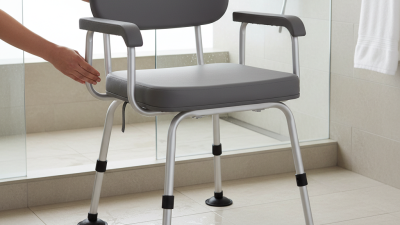
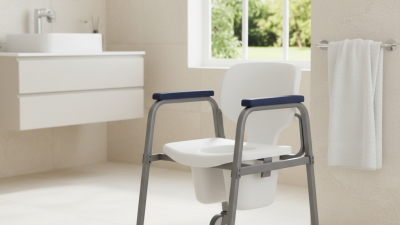
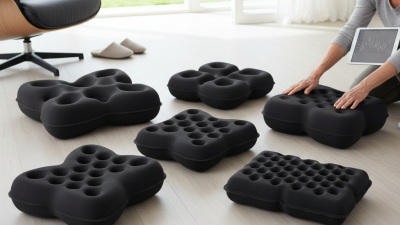
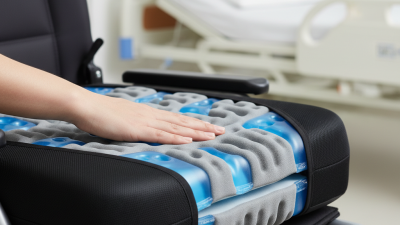
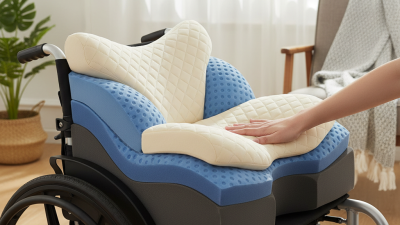
Celebrating 45 Years of clinical innovation, comfort, and caregiver support at Broda.

Explore the Legacy!

Top Reasons Why the Broda Chair is Essential for Comfort and Mobility?

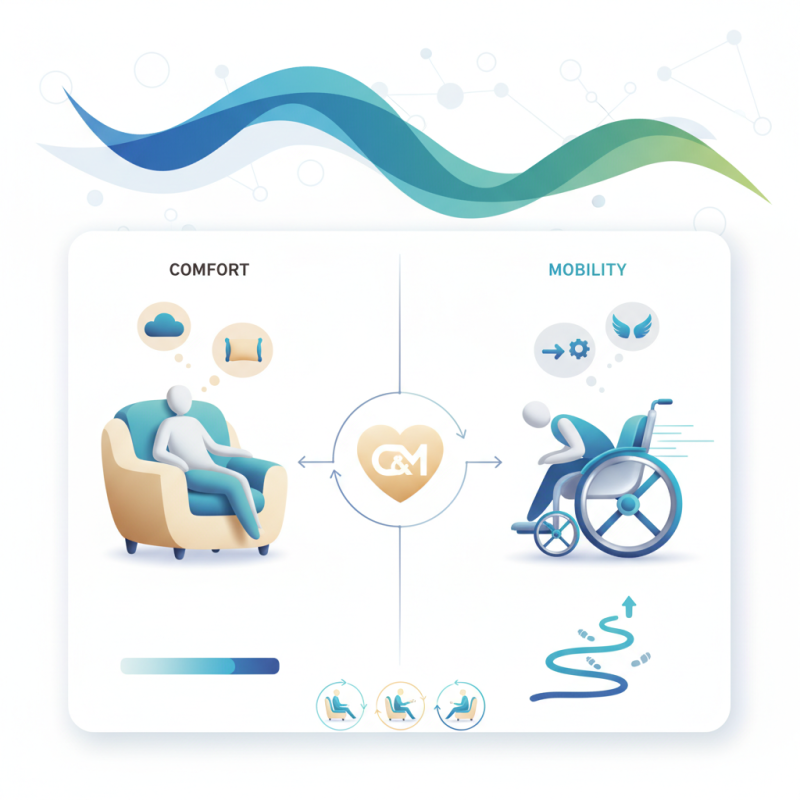
The Broda Chair stands out as a vital tool for enhancing comfort and mobility. Many individuals face challenges in finding a suitable seating solution that caters to their specific needs. The Broda Chair addresses these concerns with its unique design and features. It is not just a chair; it is a lifeline for those with limited mobility.

With its remarkable support and adaptive features, the Broda Chair ensures a personalized experience. Users appreciate the freedom to change positions easily. The chair's ability to provide comfort during long periods of sitting cannot be overstated. However, not all users may embrace the idea of using such specialized furniture. Some may feel hesitant to transition from traditional seating options. These thoughts can create barriers to comfort.

In the end, the Broda Chair represents an essential choice for those seeking both mobility and comfort. Its thoughtful design encourages independence, yet some might still struggle with acceptance. Finding the right seating can heavily influence quality of life. The Broda Chair shows a path forward, challenging users to reconsider their options for a better, more comfortable existence.
Top Reasons Why the Broda Chair is Essential for Comfort and Mobility?

Benefits of the Broda Chair for Enhanced Comfort and Well-Being

The Broda Chair enhances comfort and well-being in various ways. Its design accommodates different body types and is adjustable. Users can find the perfect seating position, which significantly reduces discomfort. This feature is vital for those with mobility issues. They can experience less strain when sitting for longer periods.

Comfort goes beyond mere seating. The chair provides proper support for the back and legs. This support promotes better posture, which is crucial for long-term health. Sometimes, people overlook how poor posture can lead to other health problems. Moreover, the chair's materials are easy to clean and maintain. This aspect is not just practical but essential for hygiene.

Not everyone finds the perfect chair right away. Some might still struggle with finding the right fit. Working closely with caregivers can make a difference. They can help in understanding individual needs. Each person's comfort requirements vary widely. A one-size-fits-all approach often leads to dissatisfaction. Adjustments may be necessary over time. This adaptability ultimately contributes to enhanced well-being.
Key Features of the Broda Chair Supporting Mobility

The Broda Chair is designed to enhance comfort and mobility for users. Its key features promote stability and ease of movement. For instance, the chair’s adjustable seating depth allows for personalized support. Studies show that proper seating can reduce the risk of pressure sores by up to 80%. This is crucial for individuals with limited mobility.

Another significant feature is the swiveling base. It aids caregivers in assisting users safely without strain. According to a report from the National Association of Home Care & Hospice, over 50% of caregivers report physical strain. The chair's lightweight design also empowers users to shift positions effortlessly, promoting independence.

Durability is important too. The materials used can withstand wear and tear in various environments. However, not all chairs meet the required standards. Some chairs do not support user weight adequately, leading to safety issues. Consumers should seek products that undergo rigorous testing to ensure quality. Overall, ensuring comfort while maintaining mobility is essential.

The Role of Ergonomics in Broda Chair Design

When considering comfort and mobility, ergonomics plays a pivotal role in chair design. A well-designed chair adapts to the user's body. This is vital for people who spend long hours seated. Proper lumbar support can significantly reduce back pain. It helps maintain a natural spine position.

Adjustable features are also essential. They allow customization for individual needs. Armrests should support the arms without straining shoulders. Seat depth must accommodate different thigh lengths. These adjustments not only ensure comfort but also enhance mobility.

However, not every design achieves perfection. Some chairs may lack adequate support for petite users. Others might not adjust low enough for shorter individuals. Such mismatches can lead to discomfort over time. It's important to consider these factors when choosing a chair for long-term use.

How the Broda Chair Facilitates Daily Activities and Independence

Top Reasons Why the Broda Chair is Essential for Comfort and Mobility?

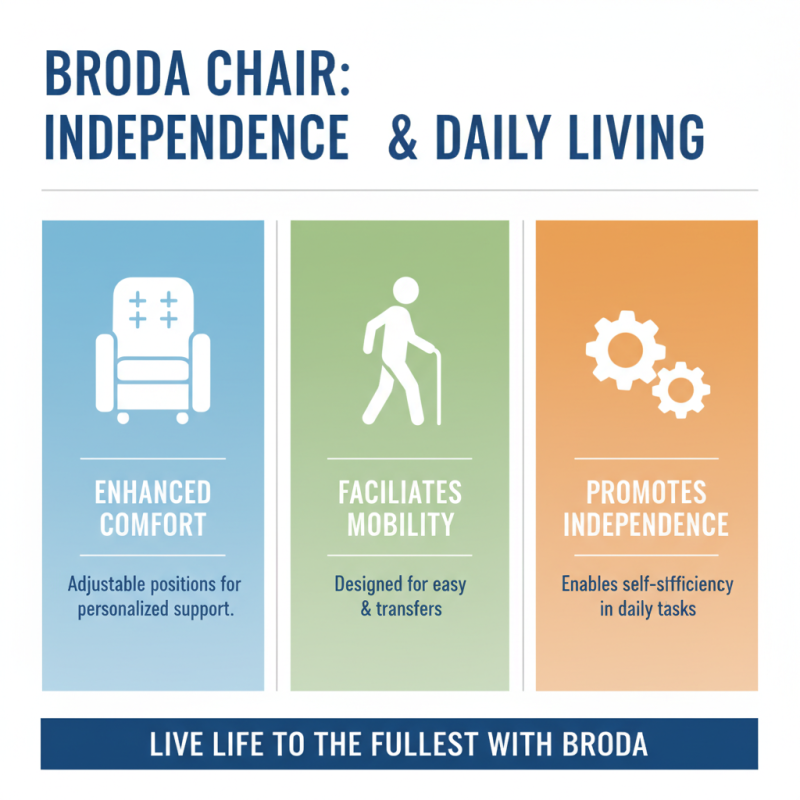
The Broda Chair is designed with both comfort and mobility in mind. It helps individuals maintain independence during daily activities. Its adjustable features allow users to find the most comfortable position. This flexibility is vital for those with limited mobility.

Sitting for long periods can lead to discomfort. The Broda Chair minimizes this issue with proper support. The cushions are designed to relieve pressure points. Many users appreciate the armrests, which offer extra stability. This makes transferring in and out easier.

Furthermore, the chair is versatile. It can be used at home or in care facilities. Being able to move freely boosts confidence. It encourages individuals to engage in their daily routines. Yet, some may find it hard to adapt at first. Patience and practice are key.

Comparative Analysis: Broda Chair vs. Traditional Seating Solutions

Top Reasons Why the Broda Chair is Essential for Comfort and Mobility?

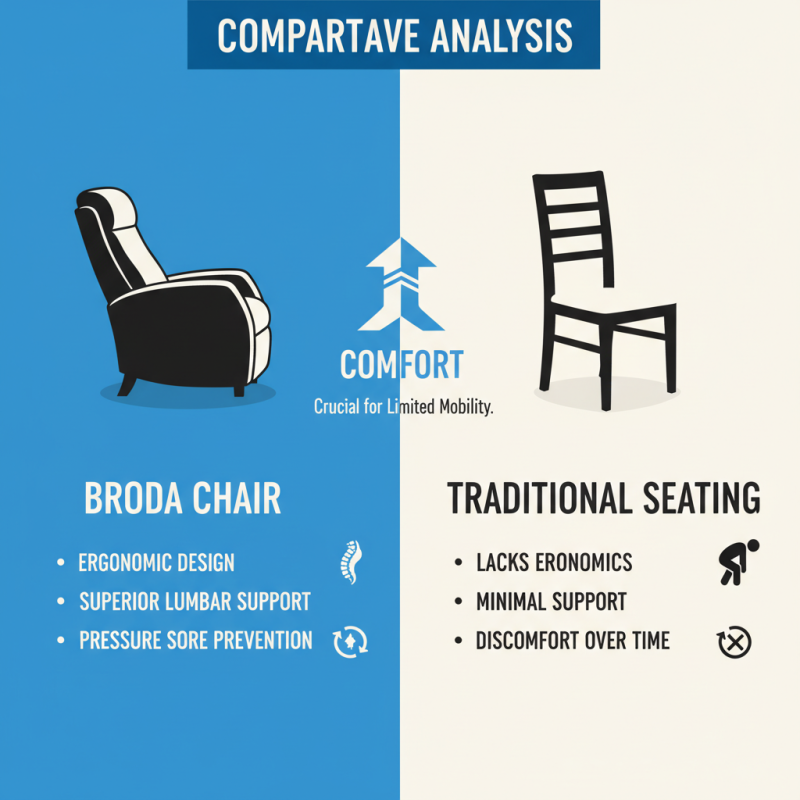
When comparing innovative seating solutions to traditional options, comfort is paramount. The Broda chair stands out for its ergonomic design. It provides lumbar support that many standard chairs lack. This is crucial for individuals with limited mobility. A supportive chair helps reduce pressure sores and enhances blood circulation. Traditional chairs may not offer similar features, leading to discomfort over time.

Adaptability is another significant difference. The Broda chair often includes adjustable components. This allows users to find their ideal sitting position. Most traditional seating solutions do not have such flexibility. Users often struggle to achieve comfort. In contrast, the Broda chair accommodates various body types and postures.

While traditional seating often prioritizes aesthetics, comfort can suffer. Users may find themselves shifting uncomfortably. In contrast, the Broda chair places user experience first. Though some may argue that the chair's design could be more appealing, function remains vital. Reflecting on these differences can guide individuals in making informed choices about seating solutions tailored to specific needs.