What is DME Medical Equipment and Why is it Important in 2026?
DME medical equipment plays a crucial role in modern healthcare. In 2026, its importance will grow even more. These tools help patients with mobility, respiratory issues, and chronic illnesses. They make daily life easier for many individuals.
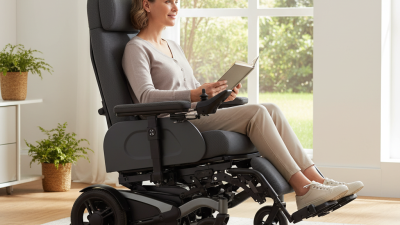
Consider a patient recovering from surgery. They may rely on a walker or a wheelchair, both forms of DME medical equipment. These devices support rehabilitation and independence. However, the quality and accessibility of DME medical equipment often vary. Not everyone has easy access to these essential items.
The future of DME medical equipment must focus on innovation and affordability. As technology advances, we need to ensure everyone can benefit. The challenge lies in bridging the gap between high-tech solutions and patient needs. These reflections are vital as we shape healthcare in 2026.
What is DME Medical Equipment? A Comprehensive Overview
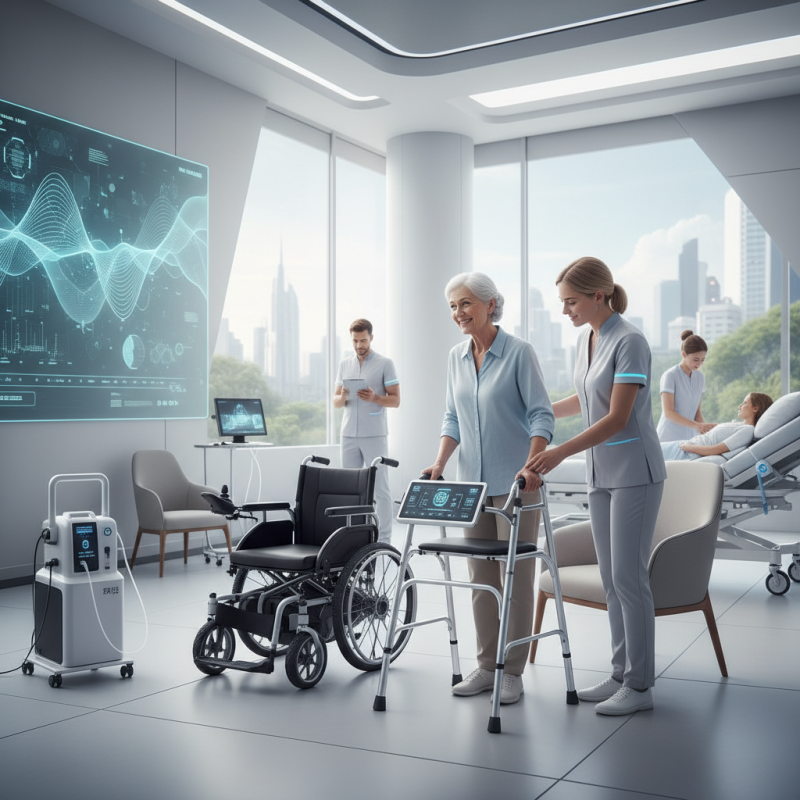
Durable Medical Equipment (DME) plays a crucial role in healthcare. It includes devices that assist individuals with health challenges. Examples are wheelchairs, hospital beds, and oxygen machines. These items help improve quality of life for many.
Tips: Always consult with a healthcare professional before acquiring DME. They can guide you in choosing the right equipment tailored to your needs.
In 2026, the importance of DME will only grow. The aging population demands more accessible health solutions. Innovative options are evolving, but not all are reliable. It's vital to scrutinize features and feedback before making a purchase.
Tips: Keep a journal documenting your DME needs and experiences. This can help you make informed choices later.
Comfort and safety should never be compromised. Not every piece of DME is perfect. Some may malfunction or not fit well. Testing equipment and checking warranties is wise. Don't rush; take the time to find what truly works for you.
Key Types of DME Equipment and Their Functions in Patient Care
Durable Medical Equipment (DME) plays a crucial role in patient care. In 2026, the industry is projected to reach $56 billion, reflecting its growing importance. Key types of DME include mobility aids, such as wheelchairs and walkers. These devices improve independence for patients with mobility challenges. According to industry reports, nearly 8 million people in the U.S. rely on such aids.
Respiratory equipment is another vital category. Devices like oxygen concentrators and nebulizers assist individuals with chronic respiratory diseases. Reports indicate that approximately 15 million Americans suffer from conditions like COPD. Access to proper respiratory equipment can significantly enhance their quality of life. However, the availability and affordability of this equipment often create challenges for patients and healthcare providers.
Additionally, hospital beds and patient lifts are essential in healthcare settings. They ensure safety and comfort for patients during recovery. Despite their significance, many patients face delays in receiving necessary equipment. More focus on logistics and accessibility is needed to bridge these gaps. As the healthcare landscape evolves, addressing these challenges will be crucial for future improvements in patient care.
What is DME Medical Equipment and Why is it Important in 2026? - Key Types of DME Equipment and Their Functions in Patient Care
| Type of DME |
Function |
Importance in Patient Care |
| Wheelchairs |
Assist mobility for patients with difficulty walking. |
Enhances independence and quality of life. |
| Hospital Beds |
Provides comfort and support for patients during treatment. |
Facilitates proper care and monitoring. |
| Oxygen Equipment |
Supplies oxygen to patients with respiratory issues. |
Critical for managing chronic respiratory diseases. |
| CPAP Machines |
Delivers continuous positive airway pressure for sleep apnea patients. |
Improves sleep quality and overall health. |
| Mobility Aids |
Includes walkers, canes, and crutches for support while walking. |
Promotes safety and mobility for rehabilitation. |
Market Trends: Growth and Demand for DME Medical Equipment in 2026
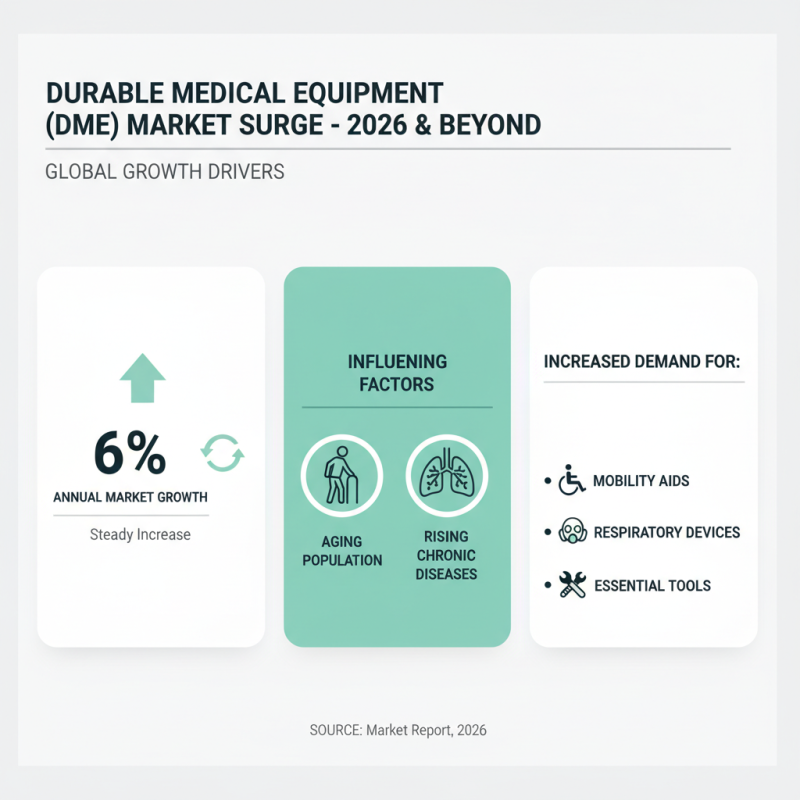
The demand for durable medical equipment (DME) is surging in 2026. According to a recent market report, the DME market is expected to grow by 6% annually. This steady increase is influenced by an aging population and rising chronic diseases. More people require mobility aids, respiratory devices, and other essential tools.
Home healthcare is a significant trend fueling this market. Many patients prefer receiving care at home, driving the need for DME. In fact, approximately 70% of patients now choose home-based treatment options. This shift towards home care impacts hospitals and clinics. Providers must adapt to this growing preference, leading to increased DME demand.
Investments in technology are also reshaping the market. Innovations in medical equipment enhance patient experience and outcomes. For example, smart devices offer real-time health monitoring. Yet, challenges remain. Access to DME can vary widely across regions. Rural areas often experience significant gaps in availability. These disparities in access highlight a need for improvement in distribution networks.
Regulatory Standards Impacting DME Equipment Quality and Safety
Durable Medical Equipment (DME) plays a crucial role in patient care. It includes wheelchairs, walkers, and home oxygen systems. In 2026, the need for safe and effective DME will be even more vital as the aging population grows. Ensuring quality and safety in these products is paramount.
Regulatory standards heavily influence DME. Authorities set guidelines for manufacturing, testing, and distribution. Compliance ensures that equipment meets specific safety thresholds. However, some manufacturers might struggle to keep up with these evolving regulations. This can create gaps in quality assurance. The risk is significant—subpar equipment can lead to patient harm.
Patient feedback also shapes DME standards. Users often share experiences that highlight design flaws or usability issues. Listening to these voices is crucial for improvement. Regulators and manufacturers must adapt to these insights. The process isn’t perfect, and challenges remain in monitoring compliance effectively. Continued diligence is essential in fostering trust in DME.
The Role of DME in Chronic Disease Management and Patient Independence
Durable Medical Equipment (DME) plays a crucial role in managing chronic diseases. In 2026, healthcare systems are increasingly emphasizing patient independence. DME enables patients to manage their conditions effectively at home. Research indicates that
over 65% of elderly patients with chronic illnesses rely on DME to improve their quality of life.
For instance, equipment like wheelchairs and oxygen concentrators allows patients to carry out daily activities. This equipment reduces hospital visits and cuts down healthcare costs. However, access to DME is not uniform. Disparities exist based on location and socioeconomic status.
Many patients still struggle to obtain necessary equipment due to out-of-pocket costs or lack of insurance coverage.
As DME continues to evolve, more innovation is needed. Telehealth integration with DME can enhance patient monitoring. Yet, not all patients are tech-savvy. This gap creates challenges in utilization. Reports show that around
30% of patients do not fully utilize available DME. Addressing these gaps is essential for improving chronic disease management and supporting patient independence in the coming years.