How to Choose a Front Wheel Alignment Machine?
Choosing a Front Wheel Alignment Machine is not simply a matter of comparing prices or screen sizes. The right system should fit the vehicles you service, your workshop layout, and the skill level of your technicians. A busy shop handling daily passenger cars has different needs from a specialist garage working with varied wheel and suspension setups. Small details matter. Can the targets be stored safely? Is the display readable from the alignment bay? These practical questions can shape daily work more than a polished product photo.
This guide explains the main factors to assess before you buy. It looks at measurement technology, vehicle coverage, setup requirements, software updates, calibration, and after-sales support. Check the manufacturer’s specifications against your actual workload, rather than assuming every machine supports every vehicle equally. Ask for a live demonstration, and observe how easily a technician can position targets, enter vehicle data, and understand the results. A few minutes saved per job can add up, but only when measurements remain consistent and the workflow suits your team.
Budget deserves careful thought, too. The purchase price is only part of ownership; installation, training, maintenance, and software costs may also apply. Request clear details in writing, and confirm what support is available if the machine needs service. No checklist removes every uncertainty. Even experienced buyers can overlook a cramped bay or an awkward target-storage system. Comparing these points with your real working conditions will help you choose a Front Wheel Alignment Machine that is practical, dependable, and appropriate for your shop.
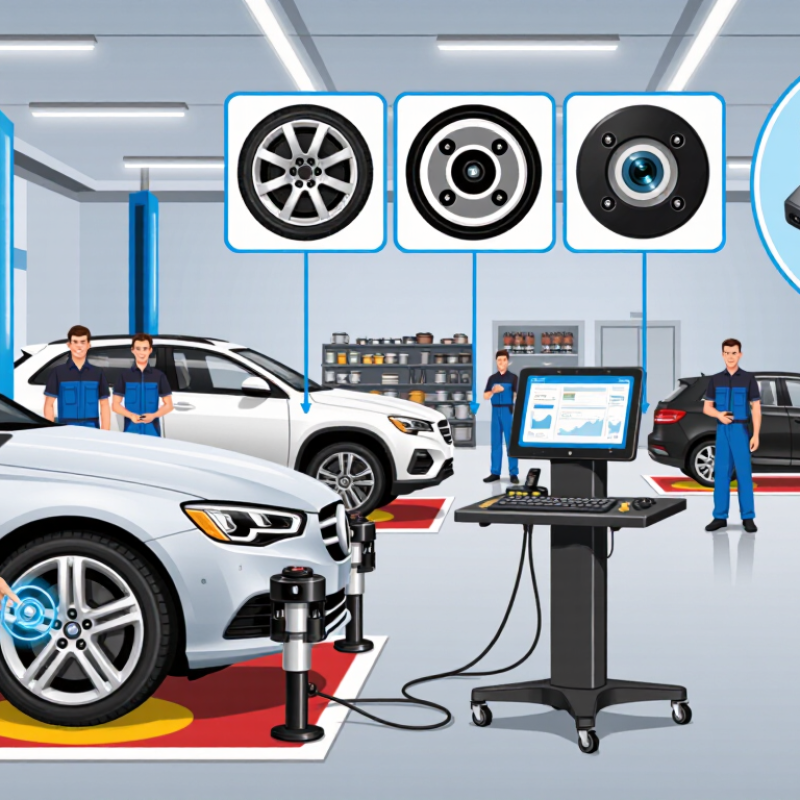
Understanding Front Wheel Alignment Machines and Their Uses
How to Choose a Front Wheel Alignment Machine?
Understanding Front Wheel Alignment Machines and Their Uses
A front wheel alignment machine measures wheel angles against vehicle specifications. Technicians use it to check toe, camber, and caster, then adjust components when readings fall outside tolerance. On a real bay floor, reliable turn plates and clear displays matter: rushed or inconsistent setup can distort measurements. Some systems also measure rear wheels, helping technicians identify thrust-angle problems that a front-only check may miss.
Check vehicle coverage, sensor accuracy, calibration requirements, and compatibility with your shop’s space and workflow. Camera-based systems need unobstructed targets; other designs use sensors attached to each wheel. Ask how the machine handles wheel runout and whether its vehicle database receives updates. Useful features, but they do not replace sound technician judgment.
The stakes are broader than steering feel. NHTSA’s 2022 Traffic Safety Facts reported 646 deaths in tire-related crashes; that figure does not show that alignment problems caused them. The U.S. Department of Energy says properly inflated tires can improve gas mileage by up to 3 percent, but that is a pressure finding, not an alignment result. A machine can reveal angle errors, not diagnose every source of uneven wear. That distinction is easy to overlook.
Identifying Vehicle, Workshop, and Alignment Requirements
The right front wheel alignment machine should match the vehicles entering your workshop, not just the specifications on a sales sheet. Check its coverage for passenger cars, light vans, and any models with unusual wheel sizes or suspension layouts. Confirm that it measures the angles you need, including toe, camber, and caster where applicable. That sounds obvious. Compatibility gaps often appear only when a less common vehicle arrives.
Workshop conditions matter just as much. Measure the bay, lift, and available floor space before choosing camera-based or sensor-based equipment. A stable, level alignment area helps produce dependable readings; turn plates and slip plates must also suit the lift. Consider how technicians will position targets, access the vehicle, and move around it. A machine that saves measurement time may still slow the job if setup is awkward.
Finally, define your alignment requirements. A shop handling routine front-end checks may need a different workflow from one performing detailed suspension diagnostics. Review the vehicle data coverage, update process, calibration needs, and availability of technical support. Ask for a demonstration using a vehicle similar to those you service. One overlooked detail: published accuracy does not guarantee consistent results in a crowded bay. Operator training and repeatable setup matter, and I would reassess the choice after testing the full workflow.
Comparing Alignment Technologies and Measurement Systems
A front-wheel alignment machine should match the shop’s workflow, not just its screen. CCD systems use electronic sensors on wheel-mounted heads and need clear communication between units. Camera-based systems read targets from a fixed viewing position, so lift placement and unobstructed sightlines matter. Small differences matter. Ask how each system handles uneven floors, damaged rims, and vehicles with limited target access. Those details show up during a busy day.
Measurement repeatability is more useful than a long feature list. Compare how quickly the system identifies caster, camber, and toe changes, and whether readings remain stable after the vehicle rolls. S&P Global Mobility reported that the average age of U.S. light vehicles reached 12.6 years in 2024. That older fleet makes broad vehicle coverage and dependable specifications important. Still, age alone does not predict alignment demand; local vehicle mix matters more.
Also consider how the machine fits newer steering and safety systems. IIHS reported that a 2016 automatic emergency braking commitment covered manufacturers representing 99% of U.S. vehicle sales. This was a commitment, not proof that every alignment requires sensor calibration. Choose equipment that clearly separates wheel geometry measurement from any required ADAS procedure. I would test both systems on the same vehicle and compare repeat readings. One overlooked issue: staff training can erase the advantage of sophisticated hardware.
Evaluating Accuracy, Compatibility, Software, and Operating Costs
How to Choose a Front Wheel Alignment Machine?
Accuracy is more than a precise-looking screen. Check the stated measurement tolerance, repeatability, and calibration process. Ask for a live demonstration using a vehicle with uneven tire wear, then compare readings after repositioning the targets. Small differences matter. A glossy demo can still hide setup problems, so watch how the technician handles runout compensation and a slightly obstructed sensor.
Compatibility affects daily use. Confirm the system supports your common vehicle types, wheelbases, lift geometry, and required measurement procedures. Review how often its vehicle database is updated and whether software works reliably when internet access is limited. Clear instructions and fast reports can save time, but complicated menus may slow a busy shop. Operating costs include more than the purchase price: factor in calibration, repairs, training, replacement targets, software fees, and possible downtime. A five-year estimate is useful, though actual maintenance costs can be hard to predict.
Tips: Test the machine on vehicles you service most. Ask what calibration includes, how long repairs usually take, and which software features require recurring fees. Write down the answers.
How to Choose a Front Wheel Alignment Machine
Compare the factors that matter when evaluating accuracy, vehicle compatibility, software, and operating costs.
Example buyer-priority scores on a 1–5 scale, not ratings of specific machines. Check measurement specifications, vehicle coverage, software and update terms, and total ownership costs against your shop’s needs.
Selecting, Installing, and Maintaining the Right Machine
Choosing a front wheel alignment machine starts with the vehicles and lift in your shop. Confirm the machine supports your wheelbase, rim sizes, and required steering-angle measurements. Check that the lift sits level and offers clear access to the wheels. A cramped bay can turn routine setup into a daily annoyance. Small details matter. S&P Global Mobility reported that the average age of U.S. light vehicles reached 12.6 years in 2024. Older vehicles may arrive with worn suspension parts, so choose equipment that makes readings easy to repeat and document.
Before installation, measure bay width, ceiling clearance, power access, and floor condition. Follow the equipment manual for target placement and calibration; a slightly uneven floor can undermine precise readings. Train technicians to center the steering wheel, compensate for runout, and secure targets consistently. Calibration can drift. Keep a simple service log, clean cameras and targets with suitable materials, inspect clamps for damage, and verify calibration at the intervals specified by the manufacturer. One common oversight is blaming the machine before checking tire pressure or loose suspension components. I would not treat alignment readings as a diagnosis by themselves; confirm the mechanical condition first. A short daily check often catches problems before they distort a customer’s printout.