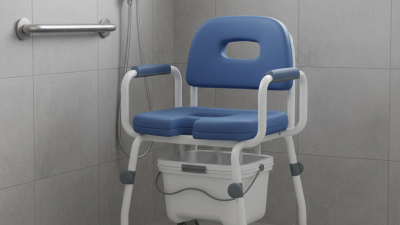
How to Choose the Best Geriatric Chair for Your Needs?
Choosing the right geriatric chair is essential for comfort and well-being. Dr. Susan Miller, an expert in geriatric care, emphasizes, "A well-designed chair can significantly enhance the quality of life for seniors." With numerous options available, selecting the best chair can feel overwhelming.
Each senior has unique needs that must be addressed. Factors to consider include size, support, and ease of use. Many chairs offer adjustable features for maximum comfort. However, it is vital to avoid neglecting the specific requirements of each individual. The wrong choice may lead to discomfort or even mobility issues.
Finding the perfect geriatric chair requires a thoughtful approach. Take time to assess the requirements of the user. The right chair can promote better posture and enhance independence. When in doubt, consult with healthcare professionals to ensure a well-informed decision.
Factors to Consider When Selecting a Geriatric Chair for Seniors
Selecting the right geriatric chair for seniors is vital for comfort and safety. A suitable chair should offer good lumbar support. According to the American Physical Therapy Association, inadequate seating can lead to chronic pain and mobility issues. Look for chairs with adjustable heights to match the user’s needs. This detail helps prevent falls during transfers.
Consider the chair's weight capacity. Research from the Centers for Disease Control and Prevention shows that many seniors experience challenges with mobility. Chairs designed for higher weight limits can enhance stability. Cushioning is another critical factor. Soft, breathable materials improve comfort for long periods of sitting. Ensure the chair allows for easy cleaning to maintain hygiene.
Lastly, look for safety features. Armrests are vital for easing the process of sitting down and standing up. Chairs with anti-tip designs can prevent accidents. However, it’s essential to assess the specific needs of the individual. Not every feature suits every user. Each option has trade-offs. Observing the user in different scenarios can reveal what works best.
Understanding the Importance of Ergonomics in Senior Seating Solutions
When selecting a geriatric chair, ergonomics plays a critical role. Senior individuals often face physical challenges that require tailored seating solutions. An ergonomic chair can significantly enhance comfort and support. This is vital for preventing issues like back pain or poor circulation.
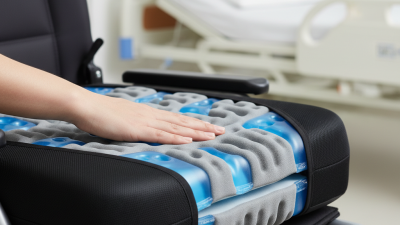
Consider the design elements that promote proper posture. Features such as lumbar support, adjustable height, and armrests can make a difference. Look for materials that offer both durability and comfort. Cushioned seats help to alleviate pressure points, which is essential for long-term sitting.
However, not every ergonomic chair will fit every person. Each individual has unique needs based on their health conditions and mobility levels. Testing chairs in person can provide insight into what works best. Small adjustments, like the angle of the seat or the height of the backrest, can yield surprising improvements. This process often requires patience and reflection on what feels right.
Evaluating Support Features: Lumbar and Headrest Necessities for Comfort
Choosing a geriatric chair involves careful evaluation of features that enhance comfort. Lumbar support is crucial for maintaining good posture. A chair with adjustable lumbar support can cater to various needs. It helps reduce lower back pain, making sitting more pleasant over time. Pay close attention to how the backrest contours to the natural curve of the spine.
Headrests also play a vital role in a chair’s comfort level. A good headrest can relieve neck strain. It should support the head without forcing it into an unnatural position. Make sure it is adjustable to fit individual height requirements. This attention to detail can make a significant difference in day-to-day comfort.
**Tips:**
Consider trying different models before purchasing. Test how well the lumbar and headrest feature meets your personal needs. Examine the chair's height to ensure proper leg support. Always take your time to find a chair that feels right. Comfort cannot be rushed; it requires thoughtful consideration.
Evaluation of Geriatric Chairs Support Features
Comparison of Materials: Fabric, Leather, and their Impact on Durability
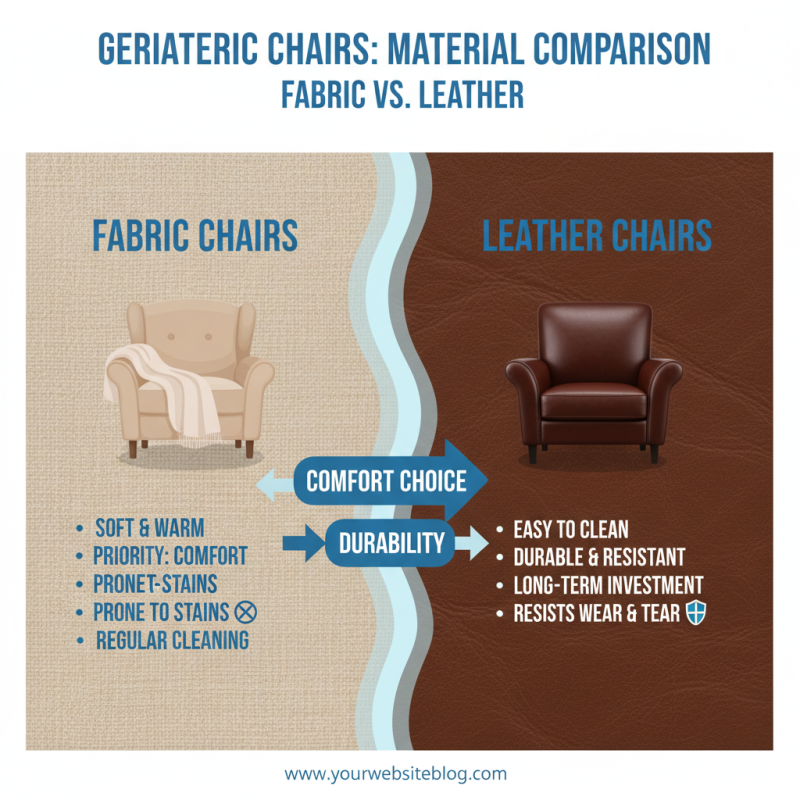
Choosing the right geriatric chair involves understanding the materials used. Fabric and leather both have unique properties that affect comfort and durability. Fabric chairs often provide a softer feel and warmth, appealing to those who prioritize comfort. However, they may be prone to staining and require regular cleaning. On the other hand, leather chairs are easier to clean and typically more durable. They resist wear and tear better than fabric, making them a more long-term investment.
While leather has its advantages, it can sometimes become hot and sticky, especially in warm weather. Fabric, while comfortable, often does not hold up as well under heavy use. The choice between these materials can be influenced by the user’s needs and lifestyle. For example, those who have mobility issues might prefer a sturdier leather chair that offers better support. In contrast, individuals who prioritize aesthetics may gravitate towards beautifully upholstered fabric options.
It's essential to test both materials in person. Feel the texture, check for comfort, and assess how easy they are to get in and out of. Take note of your specific needs, and don’t be shy about asking for recommendations. Balancing aesthetics with functionality is crucial. Each material has strengths and weaknesses that deserve careful consideration. Evaluate how they align with your expectations for comfort and longevity.
Budgeting for Quality: Cost Analysis of Geriatric Chairs in the Market
When investing in a geriatric chair, budgeting plays a crucial role in ensuring quality and comfort. The cost of these specialized chairs varies significantly in the market, typically ranging between $150 and $2,500. Most affordable options may lack essential features, such as lumbar support or adjustable height, which are critical for aging individuals. According to a recent industry report, around 30% of lower-cost models fail quality tests for durability.
High-end chairs, priced above the $1,000 mark, often provide superior ergonomic design and materials. These chairs can include features like reclining capabilities, pressure relief padding, and better stability. A study conducted by the National Institute on Aging highlights that investing in a quality chair can reduce the risk of falls by up to 40%. However, it’s essential to weigh these benefits against budget constraints, as the highest price does not always guarantee the best fit for every individual.
Finding the right chair requires thoughtful consideration. Many users underestimate their long-term needs, leading to potential regrets later. Cheaper models may seem appealing, but they can contribute to discomfort and increased healthcare costs down the line. Prioritizing features that enhance safety and comfort can lead to better overall satisfaction. Don't rush the decision; think about what truly matters for your specific situation.
How to Choose the Best Geriatric Chair for Your Needs? - Budgeting for Quality: Cost Analysis of Geriatric Chairs in the Market
| Chair Type |
Features |
Price Range ($) |
Weight Capacity (lbs) |
Recommended For |
| Recliner Chair |
Adjustable reclining, padded armrests, lumbar support |
300 - 500 |
250 |
Users needing comfort and support for prolonged sitting |
| Lift Chair |
Power lift mechanism, remote control, comfortable cushioning |
400 - 800 |
300 |
Individuals with mobility issues who need help standing |
| Wall Recliner |
Space-saving design, reclines with minimal wall clearance |
250 - 600 |
200 |
Small living spaces or apartments |
| Tilt-in-Space Chair |
Reclining and tilting for pressure relief, adjustable components |
450 - 900 |
350 |
Users at risk for pressure sores |
| Standard Armchair |
Simple design, firm seat, arm support |
100 - 300 |
250 |
Everyday use and general seating |