Celebrating 45 Years of clinical innovation, comfort, and caregiver support at Broda.
Explore the Legacy!Choosing a Dietary Supplement OEM in China is not just a price comparison. It is a decision about product consistency, communication, and what happens when a batch misses expectations. A polished factory tour can impress. The real evidence is often quieter: batch records, clean production areas, calibrated scales, and staff who can explain how they handle deviations.
Dr. Duffy MacKay is a dietary supplement science and quality expert whose public work emphasizes evidence and responsible quality practices. A concise editorial paraphrase of that quality-focused approach—not a verbatim quotation—is: “Good products depend on evidence, controls, and clear records.” Keep that principle in view when assessing a prospective partner. Ask how ingredients are qualified, how specifications are checked, and whether testing records can be reviewed. Specific, documented answers matter more than confident sales language.
This guide examines practical ways to compare manufacturers, from production capabilities and quality systems to communication, sampling, and commercial terms. It also considers details that are easy to overlook, such as who approves label changes and how a supplier reports a delayed shipment. No checklist removes every risk. Some gaps only become visible after the first sample, so allow time to verify claims rather than relying on promises. The right partner should make questions easier to answer, not harder to ask.
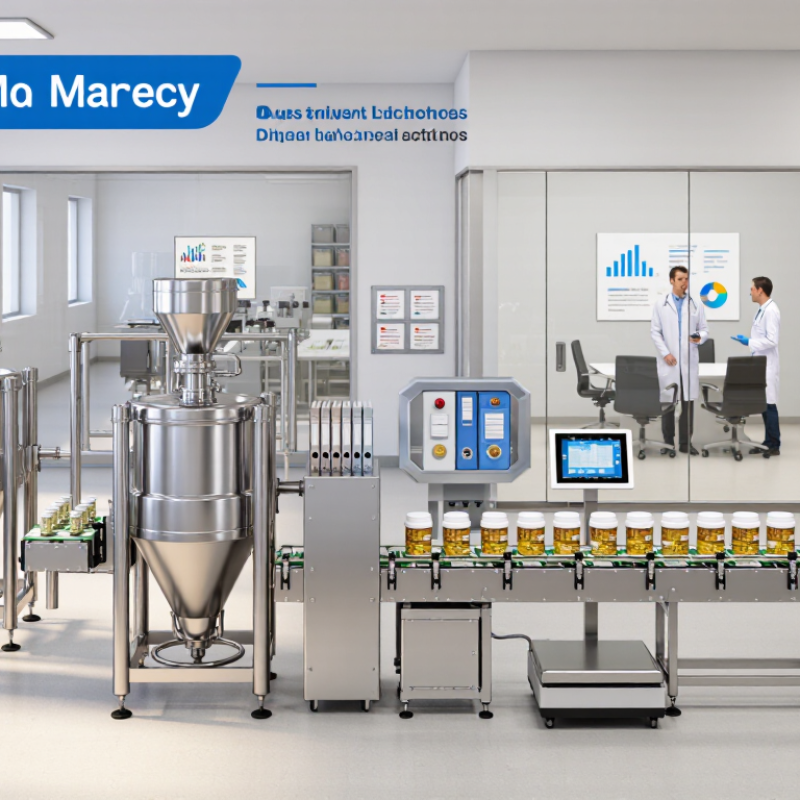
Before contacting an OEM, turn the product idea into a usable brief. Specify the format, intended audience, key ingredients, target serving size, flavor, packaging, and expected order volume. A capsule and a flavored powder need different equipment, testing, and production controls. The global dietary supplements market was valued at USD 177.5 billion in 2023, according to Grand View Research. That growth does not guarantee demand for your product. Define the customer and sales channel first. Small details matter.
Next, document the target market and manufacturing requirements. Ask potential suppliers for evidence of ingredient identity testing, batch records, stability studies, and procedures for handling deviations. Confirm their minimum order quantity, lead time, sample process, and capacity for your chosen format. The Council for Responsible Nutrition’s 2023 Consumer Survey reported that 74% of U.S. adults use supplements, with 55% using them regularly. This is useful context, not a forecast for a new product. Requirements also vary by market, so verify applicable quality and labeling expectations with qualified specialists. A tidy brochure is not enough. Request relevant records and review actual samples; some specifications may need revision after testing.
A dietary supplement OEM’s polished website tells you little about its actual controls. Review its Chinese business license and confirm that its registered activities match the work it performs. Check relevant production permits and certificate scopes, including whether they cover the specific facility and product category. Ask for recent audit records, not just certificate images. Paper can mislead.
Regulatory requirements depend on the product and its destination market. Ask the OEM how it checks ingredient specifications, labeling rules, and permitted claims for each market. Request sample batch records, certificates of analysis, and written procedures for handling out-of-specification results. Compare a test report with the batch number on a sample product. Independent laboratory testing can provide another useful check.
If possible, visit the production site or arrange an independent audit. Observe how staff separate materials, record cleaning, and trace lots from receiving to dispatch. A certificate is only a snapshot; day-to-day records show whether procedures are followed. Do not assume that a supplier’s export experience covers every market you plan to serve. Even careful checks cannot remove all risk, so document unanswered questions and agree on corrective actions before production begins.
A capable dietary supplement OEM should do more than accept a finished formula. Ask who evaluates ingredient compatibility, serving size, flavor, and the intended format. A powder may absorb moisture during storage, while a capsule can behave differently with the same blend. Request development records and stability data for the proposed packaging, not just a polished presentation. Ask for evidence.
Ingredient sourcing deserves equal scrutiny. The manufacturer should be able to show supplier qualification records, lot traceability, and current specifications for key materials. Review certificates of analysis, but ask what testing supports them and whether samples are checked independently. Where relevant, discuss identity, microbial quality, and contaminant testing. A document can look complete and still leave questions.
Quality controls should be visible on the production floor and in the records. Ask how the site manages line clearance, weighing checks, batch documentation, deviations, and retained samples. If possible, review a recent audit report and walk through the process used to investigate a failed result. A small pilot batch can reveal issues that meetings miss. Still, even a strong audit cannot guarantee every future lot will be identical; compare the manufacturer’s written controls with what operators actually do.
Suggested buyer-defined evaluation weights: prioritize quality controls, then assess formulation expertise, ingredient sourcing, and manufacturing transparency. These weights are a practical decision framework, not market-survey results; verify each area through document review, testing records, and an on-site or independent audit.
A dietary supplement OEM’s stated monthly capacity matters less than the line time available for your order. Ask how many batches it can produce, what minimum order quantity applies, and whether packaging uses the same production schedule. Request a sample timeline covering formulation approval, pilot production, testing, and shipment. Numbers need context. A factory may quote a short lead time but exclude time for label approval or testing. Ask for recent, redacted batch records and quality documents, then check that the proposed process matches your product specifications.
Compare itemized quotes, not just the unit price. Confirm whether raw materials, packaging, testing, freight, and storage are included, and ask how costs change at different order volumes. Small fees add up. Compare payment milestones and the rules for deposits, delayed shipments, or rejected batches. Contract terms should define product specifications, acceptable quality checks, change approvals, delivery dates, and responsibility for correcting defects. It is easy to focus on price and overlook who pays for replacement packaging after a late design change; that detail deserves a clear answer. Get it in writing.
Choosing a dietary supplement OEM in China takes more than comparing quotes. Ask for a sample made with the intended formula, ingredient grades, and packaging. A generic showroom sample can look polished but reveal little about your actual product. Check taste, odor, color, fill weight, seal quality, and how the product behaves after transport. Record observations against a written specification, and ask what testing supports each quality claim. Request relevant batch records and test results where appropriate; verify their scope, dates, and methods. Small details matter.
Use a short trial project to see how the team handles revisions, questions, and delays. Clear answers should identify an owner, a next step, and a realistic date. Ask how changes to ingredients, packaging, or production timing are documented and approved. Pay attention to whether concerns are raised early, not only after you follow up. That sounds basic. A responsive sales contact is useful, but consistency across quality, technical, and production teams matters more over time. Discuss capacity, minimum order quantities, change control, complaint handling, and continuity plans before committing. No partner is flawless. Treat a missed detail as a prompt to clarify the process, while repeated unexplained gaps deserve caution. The right fit is the one whose samples, records, and everyday communication align with your standards and growth plans.