Celebrating 45 Years of clinical innovation, comfort, and caregiver support at Broda.
Explore the Legacy!Choosing the right DME medical equipment can be a daunting task. With so many options available, making an informed decision is crucial. Dr. Emily Carter, a leading expert in the DME sector, emphasizes, “Selecting the right equipment can significantly improve patient outcomes.” This underscores the importance of understanding your specific needs.
When considering DME medical equipment, think about functionality and comfort. The correctly chosen devices can enhance your everyday life and mobility. However, not all products are tailored for every situation. It is essential to evaluate the features that matter most to you. In a market full of choices, frustration often arises. Many end-users struggle to identify what they truly need.
Remember, the process of selecting DME medical equipment isn't perfect. Mistakes happen, and sharing experiences can help others avoid similar missteps. Always seek expert advice and consider user reviews. Understanding the pros and cons of different equipment can lead to better choices. Taking your time to research is vital for achieving the best outcome in your journey.

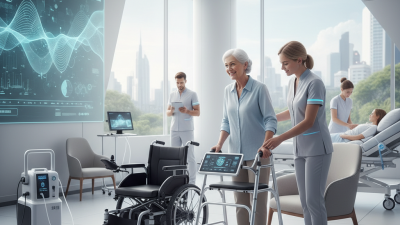
When exploring durable medical equipment (DME), it’s essential to understand the various types available. Each type serves a specific purpose. For instance, mobility aids like walkers and wheelchairs help individuals navigate their surroundings. They promote independence and provide support during movement. Choosing the right one often depends on personal needs and preferences.
Another common category of DME is respiratory equipment. This includes machines like CPAPs or nebulizers. These devices play a critical role in managing respiratory conditions. Users may find themselves overwhelmed when selecting the right model. It can be a challenge to determine which features are truly necessary. A consultation with a healthcare provider can help clarify these issues.
Home care supplies, such as hospital beds and lift chairs, are also important. These items enhance comfort and safety for users. However, they can take up significant space and may require modifications in the home environment. Reflecting on practical usage and available space is crucial before making a decision. It’s not just about choosing what seems appealing; it’s about what truly fits your lifestyle and needs.
| Equipment Type | Description | Common Uses | Important Considerations |
|---|---|---|---|
| Wheelchairs | A chair with wheels, designed for mobility. | Mobility impairment, post-surgery recovery. | Consider size, weight, and folding options. |
| Walkers | A lightweight frame with four legs, providing support. | Stability while walking, balance issues. | Check weight capacity and height adjustments. |
| Oxygen Concentrators | Devices that deliver a concentrated stream of oxygen. | Chronic respiratory conditions, home oxygen therapy. | Consider flow rate and power source (electric vs. battery). |
| CPAP Machines | Devices that provide continuous positive airway pressure for sleep apnea. | Sleep apnea treatment, ensuring proper airflow during sleep. | Check for noise levels and mask fit options. |
| Lifts and Slings | Equipment to safely lift and transfer individuals. | Transfer assistance for immobile patients. | Ensure proper weight limit and sling compatibility. |
Choosing the right Durable Medical Equipment (DME) is essential for effective care. Start by assessing your specific medical needs and conditions. For instance, over 65% of patients report dissatisfaction with their DME choices due to a lack of proper evaluation. Clearly defining your needs is the first step toward avoiding these common pitfalls.
Consider your daily activities and limitations. If you struggle with mobility, a walker or wheelchair might be necessary. According to a recent survey, nearly 40% of seniors experience falls, highlighting the importance of selecting the right equipment for safety. Equipment usability is critical, yet many overlook this factor. It's not just about availability but also how well the device fits your lifestyle.
Reflect on your condition and treatment goals. Speak with healthcare professionals who understand your needs. Sometimes, the most suitable equipment is not what you expect. For example, some patients benefit from a simple hand grip rather than more complex devices. The right choice can greatly enhance your quality of life, yet it requires thorough consideration and, at times, trial and error.
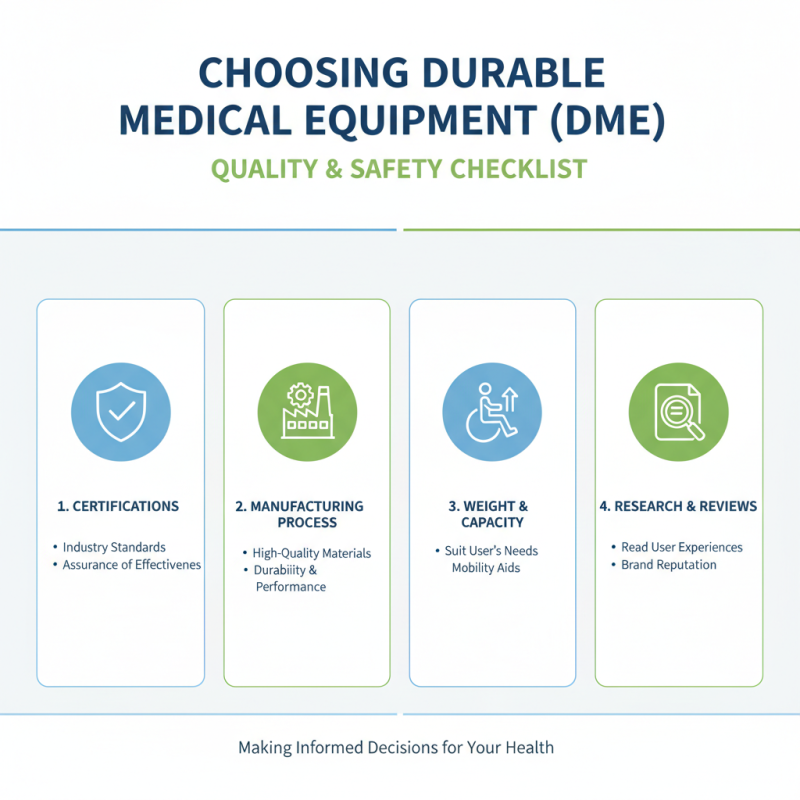
When choosing durable medical equipment (DME), assessing quality and safety is vital. Look for certifications that ensure the equipment meets industry standards. These certifications can provide assurance of its effectiveness. Read about the manufacturing processes used. Equipment made from high-quality materials tends to outperform others. Consider the weight capacity of mobility aids. It should suit the user’s needs effectively.
Safety features are just as important. Equipment should include safety warnings and user guidelines. Ask for demonstration videos if available. This can clarify how to use the equipment safely. Be mindful that not all suppliers provide comprehensive instructional support. Some medical equipment may not perform as expected. Regular maintenance might be necessary to prevent malfunctions.
Feedback from other users can be insightful. Explore online reviews and forums. This will give you a clearer picture of any potential issues. Remember to consider warranty options as well. A good warranty can indicate a manufacturer’s confidence in their product. Always reflect on your specific needs and seek advice when unsure. Getting the right DME is about balancing quality, safety, and personal requirements.
When choosing DME (Durable Medical Equipment), understanding insurance coverage is crucial. Many people believe all costs are covered. However, that's not always the case. According to a recent survey by the American Hospital Association, nearly 27% of patients faced unexpected out-of-pocket expenses related to DME. This inconsistency can lead to financial stress.
Cost factors vary widely. Some equipment may require prior authorization, while other items might not be covered at all. A report from the National Association for Durable Medical Equipment Providers indicated that over 30% of Medicare beneficiaries reported confusion regarding what their plan covers. It's essential to carefully review your insurance policy and clarify with your provider. Just assuming coverage can result in unpleasant surprises.
It's also vital to compare prices. Costs for similar equipment can differ significantly between suppliers. A report from the Healthcare Cost Institute revealed that prices can vary by as much as 200% for the same type of DME. Not every supplier offers transparent pricing. Ask for detailed information about costs before making a decision. Investigating all these aspects can feel overwhelming, but taking the time to understand your insurance and costs pays off in the long run.
Choosing the right durable medical equipment (DME) is crucial. Reliable suppliers are key to this process. The DME market is projected to grow steadily, with a value of USD 230 billion by 2025, according to industry reports. This growth highlights the importance of selecting trustworthy providers.
When evaluating potential suppliers, consider their certifications. Look for those accredited by recognized organizations. This can assure you about the quality of their products. Warranty options are also vital. It's essential to know what kind of support you can expect after the purchase.
Tip: Open communication with suppliers is essential. Ask questions about the equipment's maintenance and lifespan. Request a trial period if possible. Understanding the supplier’s policies can help avoid surprises later on.
Remember, not every supplier will meet your needs perfectly. Some may have great customer service but poor product quality. Balance is key. You may need to prioritize certain aspects over others to find the right match for your requirements. Always weigh the pros and cons before making a decision.