How to Choose Comfortable Wheelchairs for Optimal Mobility and Support?
Selecting comfortable wheelchairs is essential for enhancing mobility and support for users. According to a report by the National Institutes of Health, over 3 million Americans rely on wheelchairs daily. Yet, many users experience discomfort due to inadequate seating design. This highlights the pressing need for better product choices in the market.
Expert in mobility solutions, Dr. Sarah Thompson, emphasizes the significance of comfort in wheelchairs: "A well-fitted wheelchair can change lives by promoting independence." Her insights shed light on how ergonomic designs not only improve comfort but also enhance overall well-being for users.
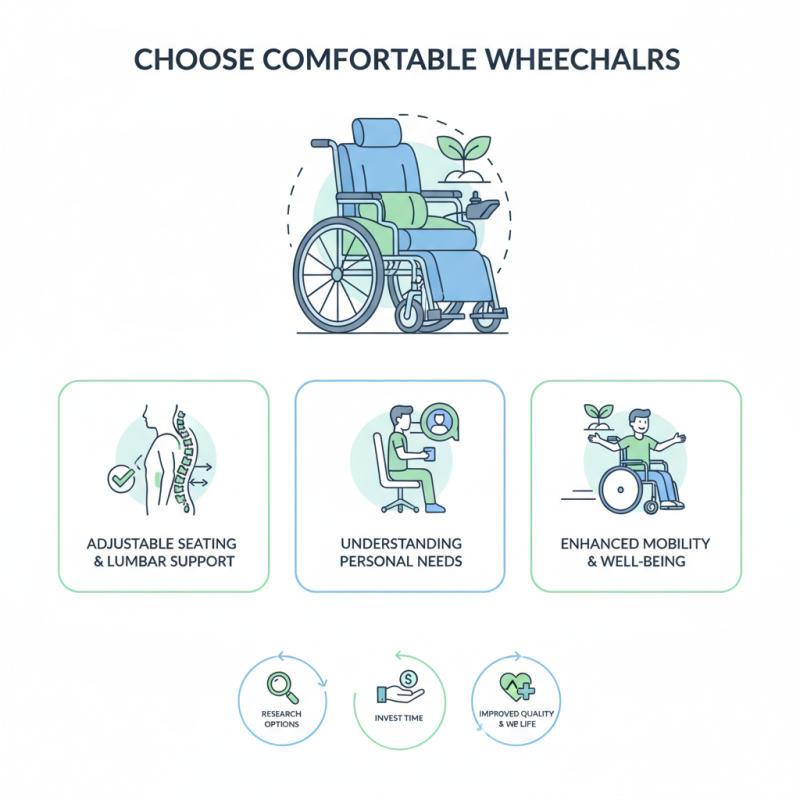
While various brands offer multiple options, many overlook critical features like adjustable seating and proper lumbar support. Users often settle for subpar models due to a lack of awareness. Discovering "comfortable wheelchairs" involves understanding personal needs. With a wide range of choices, it can also lead to confusion. Ultimately, investing time in the right selection can significantly improve quality of life for users.
Factors to Consider for Wheelchair Selection: Weight, Size, and Type
When selecting a wheelchair, it's essential to consider several factors that affect comfort and mobility. Weight plays a critical role. According to a report from the National Center for Medical Rehabilitation Research, lightweight wheelchairs can enhance mobility, reducing the energy required for users. An optimal wheelchair should balance between being sturdy and light enough for easy maneuvering.
Size is another crucial factor. Wheelchairs come in various sizes, including standard, junior, and bariatric options. The user’s height and weight determine the right size. A mismatch can lead to discomfort and limit mobility. The American Physical Therapy Association recommends measuring seat width and depth carefully for a perfect fit. A proper size improves posture and reduces the risk of pressure sores.
Different types of wheelchairs exist, each designed for specific needs. Manual wheelchairs are user-propelled, while power wheelchairs offer an electric option. Both have their advantages. A study published by the Journal of Rehabilitation Research emphasizes the importance of matching the type to the user's lifestyle. Reflecting on user experiences reveals that choosing the right type can mean the difference between independence and reliance on caregivers. Selecting the appropriate wheelchair requires careful thought and consideration of personal needs.
How to Choose Comfortable Wheelchairs for Optimal Mobility and Support?
| Factor |
Description |
Recommended Range |
| Weight Capacity |
Maximum weight the wheelchair can safely hold |
200 - 600 lbs |
| Seat Width |
Width of the seat to ensure comfort and fit |
16 - 24 inches |
| Seat Depth |
Depth of the seat for optimal thigh support |
16 - 20 inches |
| Type of Wheelchair |
Different options based on user needs |
Manual, Electric, Recliner, Transport |
| Wheel Size |
Diameter of wheels affecting maneuverability |
8 - 24 inches |
| Adjustability |
Features that allow customization of height and angles |
Check for adjustable armrests and footrests |
| Overall Weight |
Weight of the wheelchair itself for portability |
15 - 50 lbs |
Understanding Different Wheelchair Designs: Manual vs. Powered Options
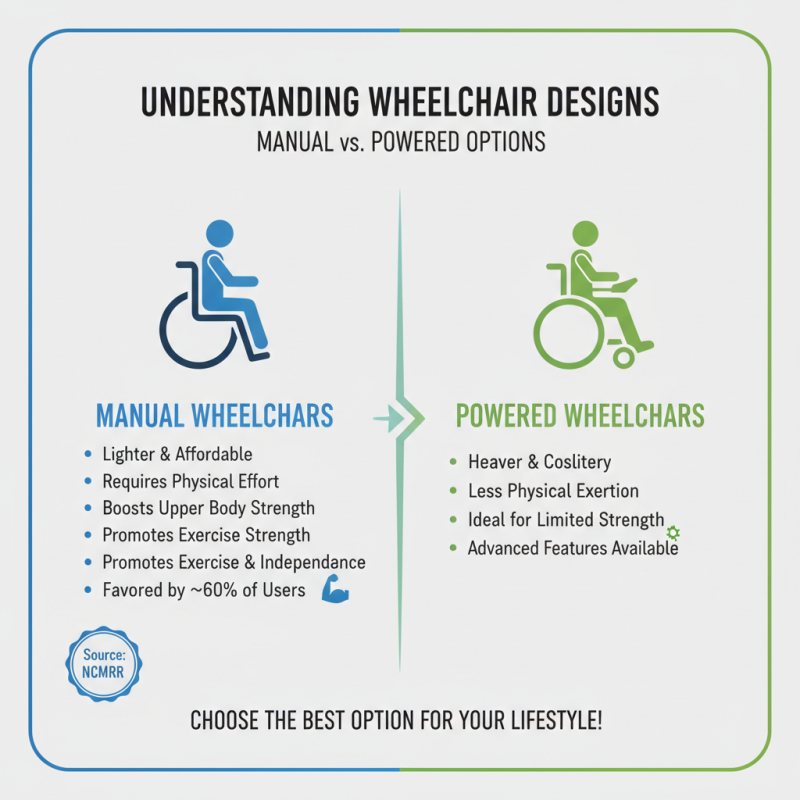
When selecting a wheelchair, understanding the differences between manual and powered options is crucial. Manual wheelchairs are lighter and often more affordable. They require physical effort for mobility. Many users appreciate the exercise and independence these models provide. According to the National Center for Medical Rehabilitation Research, nearly 60% of wheelchair users opt for manual chairs. These models boost upper body strength and can fit various lifestyles.
Powered wheelchairs, in contrast, can enhance mobility for those with limited strength. They often include advanced features like adjustable seating and joystick controls. Research indicates that powered wheelchairs improve the quality of life for many users, enabling greater participation in daily activities. However, they can be heavier and more expensive, which is a vital consideration for buyers.
Tips: When choosing, consider your lifestyle needs and the environments where the wheelchair will be used. Think about the ease of transport if you're traveling. Reflect on comfort too; some models have advanced cushioning that reduces pressure sores. Remember, choosing the right wheelchair is not merely about mobility but also about overall well-being.
The Role of Seat Cushion Technology in Enhancing Comfort and Support
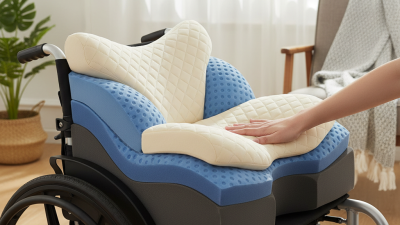
When selecting a wheelchair, comfort is paramount. The role of seat cushion technology is crucial in enhancing both support and comfort for users. A 2022 study by the National Institute on Disability, Independent Living, and Rehabilitation Research indicated that proper cushioning can reduce pressure ulcers by up to 30%. This highlights the importance of choosing high-quality seat cushions.
Modern seat cushions utilize advanced materials such as memory foam and gel layers. These materials provide better weight distribution, reducing pressure on bony prominences. Wheelchair users often experience discomfort due to prolonged sitting. In fact, 45% of users report pain related to inadequate seating. A well-designed cushion can significantly improve user experience and promote mobility.
Despite technological advancements, many seat cushions still fall short. Some do not offer adequate airflow, leading to heat buildup. This can worsen skin integrity and lead to complications. Furthermore, the right cushion varies from person to person, depending on individual needs. Customization is essential, yet many users are unaware of available options. Hence, a proactive approach is needed for optimal comfort and support.
Evaluating Mobility Needs: Assessing Daily Activities and Environment
Choosing the right wheelchair hinges on a thorough assessment of mobility needs. Individuals should start by evaluating daily activities. Consider where you live and how you navigate your home. An estimated 80% of wheelchair users report that accessibility in their environment significantly influences their mobility experience. Tight hallways and uneven surfaces can pose challenges.
Next, analyze your routine. Do you often travel to public places or out for appointments? Research indicates that wheelchairs designed for outdoor use must have robust features. These features include larger wheels and better suspension. If most activities occur at home, a standard manual wheelchair may suffice.
It's also crucial to involve healthcare professionals in this decision. They can provide valuable insights based on mobility assessments. This collaborative approach promotes a more tailored solution, ensuring comfort and support. Balancing personal preference with practical needs is often complex. Reflecting on these factors helps streamline the selection process, ultimately impacting quality of life.
Comfortable Wheelchairs Mobility Needs Assessment
Importance of Proper Fit: How to Measure for the Right Wheelchair Size
Choosing the right wheelchair is crucial for comfort and mobility. A proper fit helps ensure safety and effectiveness. According to the National Institute of Health, 70% of wheelchair users report discomfort due to improper sizing. This discomfort can lead to serious issues, including skin breakdown and reduced mobility.
Measuring for the right wheelchair size involves several key dimensions. You'll need to measure the user's seat width, depth, and height. The seat width should allow about two inches of space on either side of the hips. For seat depth, a gap of two to three fingers from the back of the knee is ideal. This ensures adequate support while preventing pressure on the legs. Height is equally important for optimal arm support and posture. Many forget these crucial details, leading to suboptimal function.
Additionally, consider the user's lifestyle and daily activities. A wheelchair should facilitate movement in various environments. User feedback indicates that around 40% of wheelchair users feel their current chair does not meet their mobility needs. This discrepancy highlights the importance of proper measurement and user-centered design. Investing time in choosing the right fit can significantly enhance the user's quality of life.