Why Choose Botanical Extracts for Your Product Needs?
In today's health-conscious world, the demand for natural products is rising. Consumers increasingly seek alternatives to synthetic ingredients. Botanical Extracts stand at the forefront of this trend. They offer a wealth of benefits for various applications, from skincare to dietary supplements.
Botanical extracts are derived from plants. These natural ingredients are rich in bioactive compounds. They can enhance efficacy, safety, and appeal. Brands that prioritize these extracts demonstrate a commitment to quality and sustainability. This not only appeals to eco-friendly consumers but also enhances brand loyalty.
Choosing botanical extracts can be a complex decision. The quality and efficacy vary widely between products. Understanding sourcing and extraction methods is crucial. Brands must ensure transparency and reliability. Consumers deserve trustworthy information about the products they choose. Adopting botanical extracts is a step toward a more natural and healthier future, yet it's essential to choose wisely.
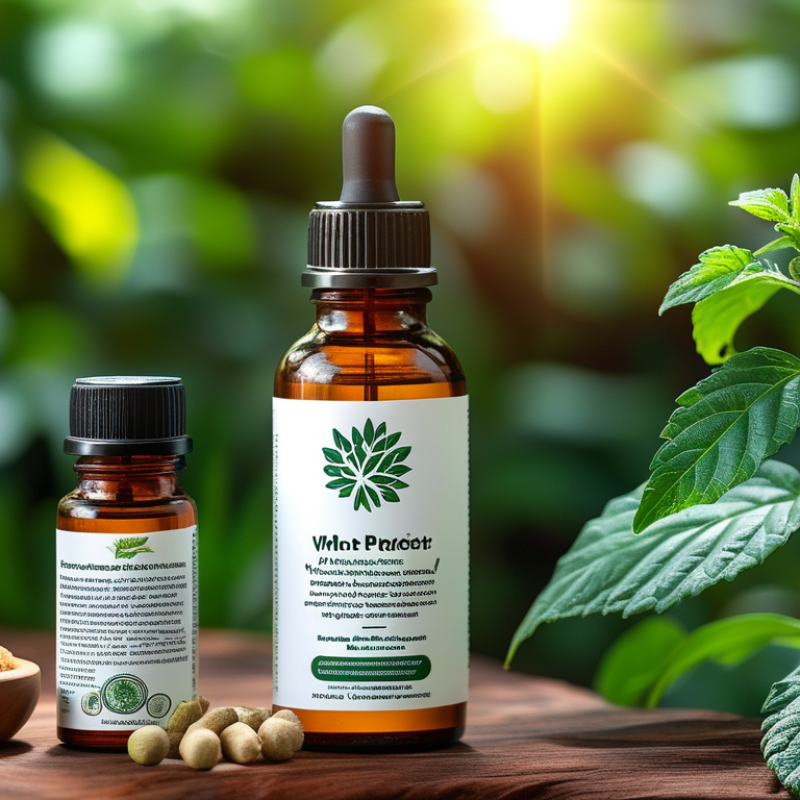
Benefits of Botanical Extracts in Product Formulation
Botanical extracts are gaining traction in product formulation due to their numerous benefits. According to a 2023 market report, the demand for natural ingredients has increased by 25% globally. Consumers prefer products derived from plants, indicating a shift towards sustainability and safety. These extracts can enhance the effectiveness of formulations, particularly in skincare and health supplements. They possess antioxidant, anti-inflammatory, and antimicrobial properties, making them valuable for various applications.
Tips: Always conduct a patch test when using new botanical extracts in formulations. Even natural ingredients can cause allergic reactions.
One of the challenges with botanical extracts is consistency. Variability in potency can occur due to growing conditions or extraction methods. A study from a renowned herbal research organization highlights that some extracts can have differing levels of active compounds. This inconsistency can impact product efficacy, so ensuring quality sourcing is crucial.
Tips: Build relationships with reputable suppliers. Transparent sourcing can help mitigate quality concerns.
Additionally, while botanical extracts are beneficial, they can affect shelf life. Essential oils, for example, may degrade over time. Understanding the stability of these extracts is important for product development. A report from the International Journal of Cosmetic Science emphasizes formulating with stability in mind to maintain product integrity.
Tips: Test your formulations under various conditions to assess stability. This proactive approach can enhance product reliability.
Common Types of Botanical Extracts Used in Industry
Botanical extracts are gaining popularity across various industries. These extracts provide unique benefits and add value to products. Common types include essential oils, herbal extracts, and plant-based oils. Each type has specific applications and characteristics that cater to different needs.
Essential oils are often used in cosmetics for their fragrance and therapeutic properties. They can enhance mood and promote relaxation. Herbal extracts, derived from plants like chamomile or ginseng, are popular in health supplements. They offer potential health benefits and are rich in bioactive compounds. Plant-based oils, such as argan or jojoba, are prized in skincare for their moisturizing effects.
**Tips:** When selecting botanical extracts, consider the source. Quality matters greatly in effectiveness. Verify the extraction method for best results. Remember, not all extracts are created equal.
Using botanical extracts can sometimes lead to allergic reactions. It's crucial to test your product on a small area of skin before full application. Research the specific extract's safety profile for the intended use. Ultimately, the choice of botanical extracts should align with both product goals and consumer safety.
Why Choose Botanical Extracts for Your Product Needs? - Common Types of Botanical Extracts Used in Industry
| Botanical Extract | Source Plant | Common Uses | Extraction Method |
| Aloe Vera Extract | Aloe Barbadensis | Skin care, wound healing | Cold pressing |
| Green Tea Extract | Camellia sinensis | Antioxidant supplements, skin care | Solvent extraction |
| Chamomile Extract | Matricaria chamomilla | Relaxants, skin soothing | Steam distillation |
| Lavender Extract | Lavandula angustifolia | Aromatherapy, skin care | Steam distillation |
| Peppermint Extract | Mentha piperita | Flavoring, digestive aid | Cold pressing |
Sustainability Considerations in Using Botanical Extracts
Choosing botanical extracts for products supports sustainability. These extracts often require less water and energy than synthetic alternatives. By using plants that are grown sustainably, companies can reduce their environmental impact. This approach encourages biodiversity and protects ecosystems. However, not all botanical sources are created equal. Some may come from overexploited regions, harming their habitats.
Tips: Research the sourcing of your botanical ingredients. Ensure they come from certified sustainable farms. Engage with suppliers who prioritize eco-friendly practices.
Opting for botanical extracts also showcases a commitment to health. Natural ingredients tend to be gentler on the skin and the environment. However, these extracts can vary in potency and quality. Relying on trusted sources is crucial to maintaining product efficacy.
Tips: Regularly test extract performance to ensure quality consistency. Stay informed about the latest research on botanicals to enhance your formulations. This ongoing education helps in making more informed choices.
Comparing Botanical Extracts to Synthetic Alternatives
When considering product formulations, the choice between botanical extracts and synthetic alternatives is significant. Botanical extracts originate from plants, offering natural benefits. Many consumers are drawn to their allure. For example, chamomile extract is known for its calming properties, while aloe vera is prized for its soothing effects. These extracts resonate with those seeking authenticity and a connection to nature.
Synthetic alternatives often present consistency and stability. They can be engineered for specific effects, and may appeal to manufacturers looking for controlled outcomes. However, these compounds can lack the holistic qualities found in their botanical counterparts. Some synthetic ingredients trigger sensitivities in certain individuals, leading to negative reactions. In contrast, botanical extracts often engage multiple pathways in the body, potentially leading to more balanced effects.
The real challenge lies in sourcing high-quality botanicals. Not all extracts are created equal; factors such as extraction methods and plant origins significantly affect potency and efficacy. While botanical extracts carry potential advantages, they require careful evaluation. Environmental impacts and sustainability also play a role in the discussion. Consumers and formulators alike must navigate these complexities to make informed choices.
Applications of Botanical Extracts Across Various Sectors
Botanical extracts have a wide range of applications across various sectors, from cosmetics to food and beverage. In skincare, these extracts are rich in antioxidants and vitamins. They nourish the skin, providing hydration and combating aging signs. For example, aloe vera is popular for its soothing properties in products aimed at sensitive skin.
In the food industry, botanical extracts enhance flavor and provide natural colors. They are often used in teas, sauces, and supplements for their health benefits. People are increasingly aware of their dietary choices. They seek natural ingredients over synthetic additives. This shift leads to a growing demand for plant-derived extracts that are both flavorful and functional.
However, sourcing these extracts poses challenges. Variability in plant quality can affect consistency in products. Additionally, the extraction process requires careful monitoring to retain efficacy. This highlights the need for expertise in selecting and processing botanical materials. Companies must ensure their suppliers follow stringent quality control measures.