Why Choose a Tens Unit Device for Pain Relief Solutions?
In recent years, the use of a Tens Unit Device has gained traction in the wellness industry. According to a report by the National Institutes of Health, nearly 50 million adults in the U.S. suffer from chronic pain. Traditional pain relief methods often come with side effects. Here lies the appeal of TENS units; they offer non-invasive pain relief through electrical stimulation.
Research indicates that TENS therapy can lead to a 30% reduction in pain symptoms. This statistic is particularly compelling for individuals seeking alternative treatments. Despite its advantages, not all users experience relief, underscoring the variability in results. Understanding how to effectively use a Tens Unit Device is crucial for maximizing its benefits.
While many swear by these devices, it’s vital to consult healthcare professionals. Professional guidance ensures personalized pain management strategies. A TENS unit may not suit everyone. Hence, critical reflections on its effectiveness are essential in selecting the right pain relief solution.
Understanding the Basics of TENS Unit Technology
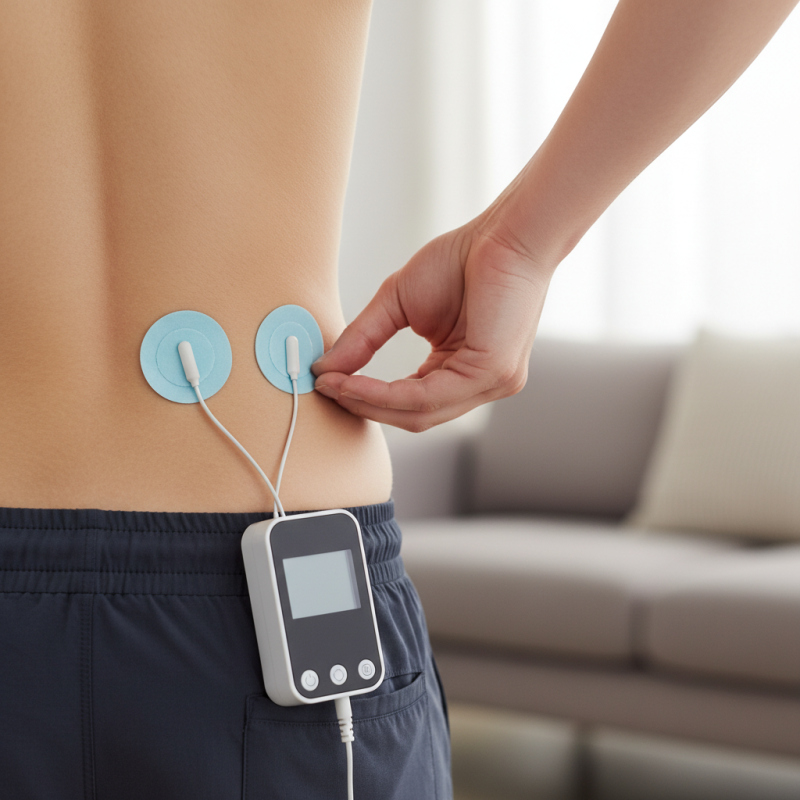
TENS unit technology, or Transcutaneous Electrical Nerve Stimulation, is a non-invasive method for pain relief. The device works by sending low-voltage electrical impulses through the skin. This stimulation can help block pain signals sent to the brain. Many users find this method effective for various conditions, including chronic pain, arthritis, and muscle soreness.
Understanding the basics of TENS units reveals their effectiveness. They typically feature adjustable settings so users can customize their experience. Some people find specific settings more pleasant or effective than others. This may require trial and error to find the optimal configuration. Additionally, the unit can be conveniently used at home or on the go.
While TENS units are generally safe, they may not work for everyone. Some users report limited relief. Others may experience discomfort during use. It's essential to listen to your body and adjust settings accordingly. Consulting with a healthcare professional can provide further insights. They can guide you in using the device effectively.
How TENS Units Work to Alleviate Pain
Transcutaneous Electrical Nerve Stimulation (TENS) units have gained popularity for managing various types of pain. They work by sending low-voltage electrical currents through the skin, targeting nerve fibers. This stimulation can interrupt pain signals that travel from the affected area to the brain. It's a non-invasive method, which makes it appealing to many looking for alternatives to medications.
When using TENS, users often experience relief within a short time. The device can be adjusted to different settings, allowing for customization based on individual comfort levels. This adaptability is essential; not every session produces the same results. Consistent use may lead to a better understanding of how the body reacts to stimulation, but achieving optimal relief can require trial and error.
Despite its effectiveness, some may find it challenging to integrate TENS into their pain management routine. Not all users report immediate relief, and continued exploration of settings is often necessary. Additionally, the device may not be suitable for everyone. Medical advice should be sought to ensure that TENS is a viable option based on personal health needs.
Why Choose a Tens Unit Device for Pain Relief Solutions?
| Feature | Description | Benefits |
| Pain Relief | Uses electrical impulses to stimulate nerves. | Reduces pain perception and enhances relaxation. |
| Portability | Compact and lightweight design for easy transport. | Allows use at home, work, or on the go. |
| Adjustable Intensity | Customizable settings for different pain levels. | Provides personalized treatment based on user needs. |
| Drug-Free Solution | Offers an alternative to analgesics and other medications. | Minimizes side effects related to medication use. |
| Ease of Use | User-friendly interface and simple controls. | Accessible for users of all ages and abilities. |
Benefits of Using a TENS Unit for Pain Management
A TENS unit is a valuable tool in pain management. Its primary function is to deliver electrical impulses to the skin's surface. These impulses help block pain signals sent to the brain. Users often report a significant reduction in pain after just a few sessions. This immediate relief can improve daily activities and overall quality of life.
One key benefit of using a TENS unit is its non-invasive nature. Unlike medications, which may have side effects, TENS therapy is generally safe. Many people find it easy to use. Simply attach the electrodes to the skin and adjust the settings. Some may feel a tingling sensation, but discomfort is rare. It’s essential to find the right intensity for optimal results.
Despite its many benefits, TENS therapy might not work for everyone. Some users experience minimal relief or none at all. Effectiveness can vary based on the type and source of pain. It’s crucial to approach this treatment with realistic expectations. Consulting with a healthcare professional can provide guidance tailored to individual needs. Regular use may enhance results, but patience is key.
Benefits of Using a TENS Unit for Pain Management
Comparing TENS Units to Other Pain Relief Methods
When considering pain relief methods, TENS units stand out for their unique approach. These devices send low-voltage electrical currents to stimulate nerves, which can help reduce pain sensation. Unlike traditional methods, such as medication, TENS units do not carry risks of addiction or side effects. They offer a non-invasive solution for many people dealing with chronic pain.
Comparing TENS to other pain relief options highlights its versatility. Physiotherapy and chiropractic treatments require appointments and time, while TENS units provide flexibility for home use. This accessibility allows individuals to manage pain on their own schedules. Some may find heat therapy soothing, but a TENS unit can deliver targeted relief more specifically to affected areas.
Tips: Start with lower intensity settings to gauge comfort levels. Consistency is key; use the device regularly for optimal results. Reflect on your pain triggers, as identifying them can enhance the effectiveness of treatment. Remember, not everyone experiences the same relief with TENS; some experimentation may be necessary.
Choosing the Right TENS Unit for Your Specific Needs
When selecting a TENS unit, consider your specific pain relief needs. Each unit offers different settings, features, and levels of intensity. These factors can significantly influence your comfort and relief. For instance, if you have chronic pain, a unit with programmable settings may be beneficial. It lets you tailor the experience to your unique pain patterns.
Look for a device with multiple therapeutic modes. Not all pain is the same, and some units focus on muscle tension while others target nerve pain. Understanding your specific condition can guide your choice. Do you need deep tissue relief, or is surface stimulation sufficient?
It’s crucial to match the device features to your lifestyle. Some units are portable, while others are best for home use. Evaluate how often and where you plan to use the unit. A reliable choice can enhance your daily life. However, some users may find a device becomes less effective over time. Regular reflection on your pain management journey is essential.