How to Buy Collagen Peptides for Optimal Health Benefits?
In recent years, the popularity of Collagen Peptides has surged. This rise can be attributed to growing awareness of their health benefits among consumers. According to a report by Grand View Research, the global collagen market is expected to reach $6.63 billion by 2025. This growth highlights the increasing demand for high-quality collagen supplements.
Collagen is the most abundant protein in our bodies, vital for maintaining skin elasticity, joint health, and muscle function. As we age, our natural collagen production declines, leading to visible signs of aging. A study in the Journal of Cosmetic Dermatology found that collagen peptides can improve skin hydration and elasticity. Additionally, other research suggests that these peptides may aid in joint pain relief.
However, not all collagen products are created equal. Many consumers face challenges in choosing the right collagen peptides. Factors such as source, type, and additional ingredients can significantly affect efficacy. It's crucial to be informed about these variables. Ultimately, understanding how to select the best collagen peptides can enhance overall wellness and provide significant health benefits.
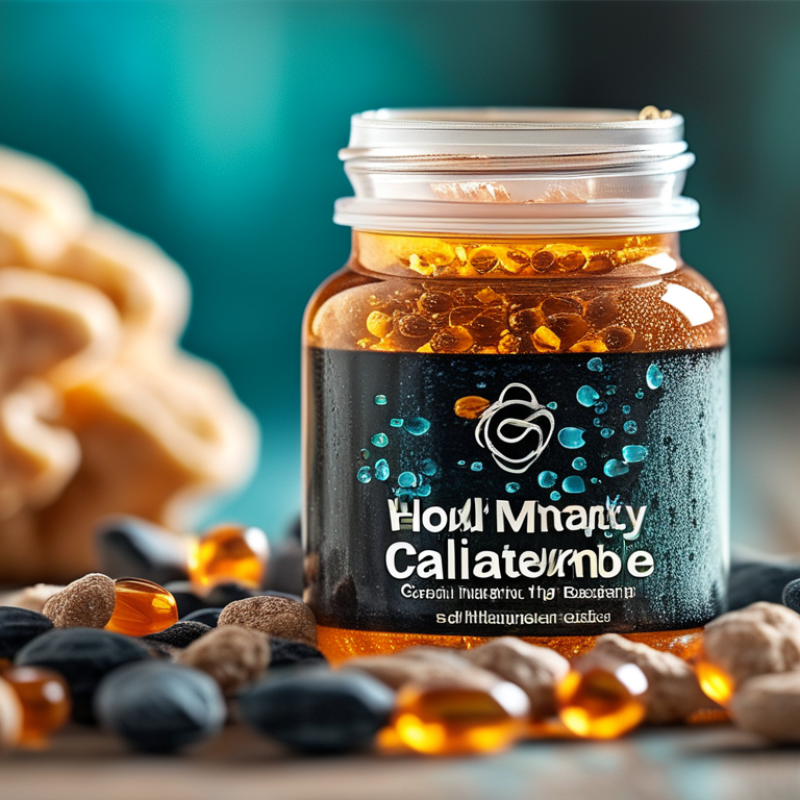
Understanding Collagen Peptides: Definition and Types
Collagen peptides are essential for maintaining skin elasticity and joint health. They are small protein fragments derived from collagen, a vital component of our bodies. There are several types of collagen, primarily type I, II, and III, each serving different functions. Type I is abundant in skin, bones, and tendons, while type II is mainly found in cartilage. Understanding these types can guide you in choosing the right supplement for your needs. According to a report from Grand View Research, the global collagen market is projected to reach $6.63 billion by 2025. This highlights the growing interest in collagen for health benefits.
When purchasing collagen peptides, consider the source. Marine and bovine collagen are popular options. Marine collagen is rich in type I collagen, beneficial for skin health. Bovine collagen offers types I and III, supporting joint and gut health. Ensure you choose high-quality sources. Not all products are created equal. Look for certifications and third-party testing to ensure purity and potency.
Tip: Always read labels carefully. A product with added sugar or fillers may not provide optimal benefits. Including collagen in your daily diet can lead to improved skin hydration and reduced wrinkles. However, individual responses can vary. It's essential to observe how your body reacts to collagen supplementation. Stay informed and consult with a healthcare professional if you have concerns.
Collagen Peptides Types and Their Benefits
Identifying Health Benefits of Collagen Peptides Supported by Research
Collagen peptides have gained traction for their numerous health benefits. Research indicates that collagen supplementation can support skin elasticity and hydration. A 2019 study published in the Journal of Drugs in Dermatology showed that women who took 2.5 to 5 grams of collagen peptides daily experienced a significant improvement in skin hydration and elasticity after eight weeks. This suggests that collagen can be a proactive measure for maintaining youthful skin.
Joint health is another area where collagen peptides shine. The American College of Sports Medicine notes that oral collagen supplementation may reduce joint pain and improve function in athletes. A 2017 study found that participants who ingested collagen peptides reported less joint discomfort during physical activities. This finding opens doors for athletes looking for effective recovery methods.
While these benefits are encouraging, not all collagen supplements are created equal. Factors such as source, dosage, and formulation can influence the effectiveness. Some consumers notice little improvement, sparking questions about quality and bioavailability. It’s essential to seek out peer-reviewed studies and trusted sources for comprehensive information before making a decision.
Evaluating Quality: What to Look for in Collagen Peptide Products
When choosing collagen peptides, quality matters significantly. Look for products that specify the source of collagen. Types I, II, and III are key, often derived from animal sources like bovine or fish. A reliable product will detail its sourcing and processing methods. This information is crucial for transparency and your health.
Additionally, check for third-party testing. This ensures that what’s on the label matches what’s in the product. Such testing adds a layer of trust and verifies the absence of harmful contaminants. Pay attention to the ingredient list. Avoid products with additives or fillers that could diminish effectiveness.
Consider the hydrolyzation process, too. Well-hydrolyzed peptides are easier for your body to absorb. A fine powder or liquid can be more versatile for incorporating into your diet. Reflecting on personal needs is wise; not every product suits everyone. Take time to test and find what truly benefits you.
Recommended Dosages: Expert Guidelines for Collagen Intake
Collagen peptides offer numerous health benefits, but understanding the right dosages is essential. Experts recommend varying amounts based on your specific needs. For general health, daily intake of 2.5 to 15 grams is often cited. Research suggests that lower doses may support skin hydration and elasticity. Higher amounts may aid joint health and muscle recovery.
Listening to your body is crucial. Some individuals may feel effects with lower amounts, while others may require more. It's important to monitor how you feel after changing your dosage. A gradual increase can help you find your sweet spot. Additionally, consider speaking with a healthcare professional. They can provide personalized recommendations based on your unique circumstances.
Hydration plays a role too. Drinking enough water can enhance the benefits of collagen intake. Some users report digestive discomfort, especially at higher doses. It's wise to start slow and adjust as needed. Remember, individual responses may vary. Every body is different, and your ideal intake may take some time to discover.
Comparing Sources: Animal vs. Plant-Based Collagen Peptides
When considering collagen peptides, the source matters significantly. Animal-based collagen peptides are derived from sources like bovine or marine origins. These peptides boast a high bioavailability. This means your body can absorb them effectively. They often contain types I and III collagen, which are vital for skin and joint health. Many studies support the benefits of these forms. However, sourcing is crucial. Ethical practices should guide your choices.
On the other hand, plant-based collagen peptides do not contain actual collagen. Instead, they provide amino acids that support the body’s natural collagen production. Ingredients like pea protein or certain algae may feature prominently in these supplements. They are suitable for vegans and those with dietary restrictions. Though their effectiveness can vary, they foster a holistic approach to skin health.
Choosing between these sources can cause confusion. It's essential to assess your health goals and ethical considerations. Some people may find animal-based options provide quicker results. Yet others may prefer plant-based solutions for sustainability. Reflecting on your personal values can enhance your decision-making. Ultimately, it’s about finding what aligns with your health journey.