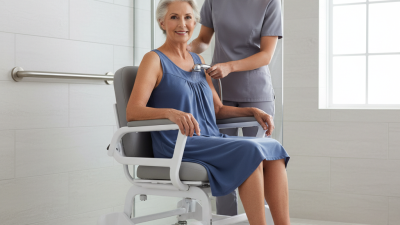
Why Broda Chair is Essential for Patient Comfort and Mobility?
In the world of patient care, comfort and mobility are paramount. The Broda chair stands out as a vital tool in achieving these goals. Dr. Emily Johnson, a renowned expert in geriatric care, emphasizes its importance: "The Broda chair isn't just a piece of furniture; it transforms lives."
This statement encapsulates the chair's design, which is tailored to enhance the experience of patients with limited mobility. Integrating comfort with functionality, the Broda chair supports patients effectively, allowing them to engage with their surroundings. Its adjustable features cater to individual needs, ensuring that patients can maintain dignity and independence.
Yet, it's crucial to reflect on the challenges faced by caregivers in utilizing the Broda chair. Training and consistent use can be demanding, calling for ongoing education in proper techniques. Emphasizing the frequent need for adjustments can also be a point of concern. Nevertheless, the benefits of the Broda chair far outweigh these hurdles, making it an essential asset in modern patient care.
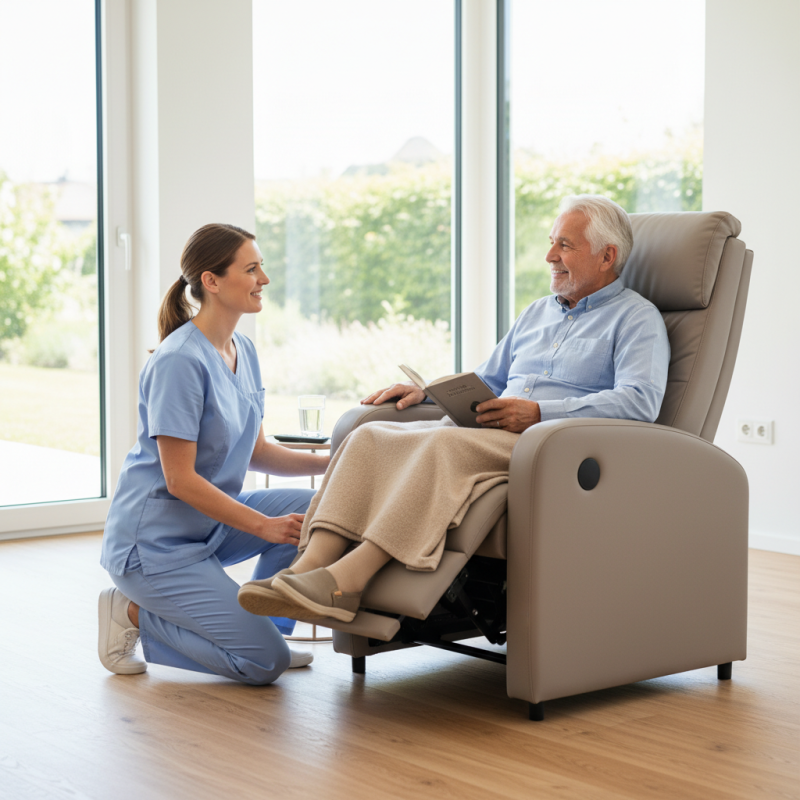
Importance of Patient Comfort in Healthcare Settings
Patient comfort is a critical factor in healthcare settings. Research indicates that comfort can significantly impact recovery and overall satisfaction. According to a study published in the Journal of Patient Experience, approximately 75% of patients report a strong correlation between comfort and their perception of care quality. This suggests that when patients feel comfortable, they are more likely to have positive attitudes toward their treatment.
Mobility is another essential aspect of patient care. Patients who can move comfortably are less likely to develop complications. A report from the Agency for Healthcare Research and Quality cites that immobility can lead to a 5% increase in hospital stays, raising the risk of pressure ulcers and other health issues. By prioritizing patient comfort through the right seating solutions, healthcare facilities can enhance mobility, leading to better health outcomes.
However, not all healthcare settings adequately address the need for comfort. Budget constraints and outdated equipment can hinder this essential aspect of care. Some facilities prioritize cost over patient experience, which can lead to long-term consequences. It is crucial for healthcare providers to reevaluate their strategies to ensure that patient comfort is never compromised.
Why Broda Chair is Essential for Patient Comfort and Mobility
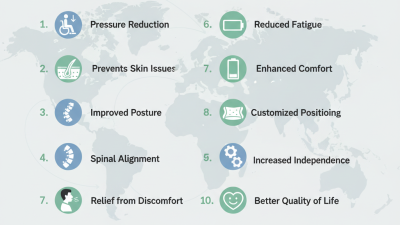
This chart illustrates the importance of various factors contributing to patient comfort and mobility in healthcare settings. Ratings are provided on a scale of 1-10, demonstrating a strong emphasis on comfort as the highest priority, followed closely by mobility and support.
Design Features of the Broda Chair That Enhance Comfort
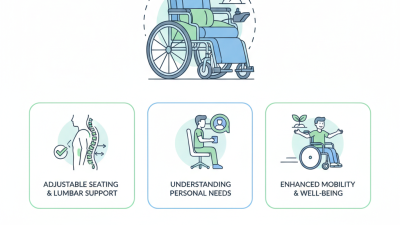
The Broda Chair features a unique design that promotes patient comfort. Its adjustable components allow for various seating positions. This flexibility caters to individual needs, enhancing overall well-being. The chair's ergonomic structure supports proper posture, reducing discomfort during extended use.
One notable aspect is its soft padding. This cushioning ensures that patients feel gentle support throughout their time in the chair. Additionally, the fabric is breathable, which prevents overheating. These design features contribute to a more pleasant experience, especially for those with limited mobility.
Another important element is the chair's mobility. It includes easy-to-move wheels, allowing caregivers to reposition patients effortlessly. However, some users might find the wheels too smooth on certain surfaces, which can lead to challenges if the chair begins to roll unexpectedly. While the design excels in many areas, addressing such concerns is crucial for enhancing safety and user confidence.
Impact of Mobility on Patient Recovery Times
Mobility plays a crucial role in patient recovery. When patients can move comfortably, their healing process accelerates. Regular movement promotes blood circulation. This, in turn, helps in reducing the risk of complications like blood clots and muscle atrophy.
Imagine a patient sitting upright, supported by an innovative chair designed for comfort. They can engage with caregivers and access essential physical therapy. Each movement feels easier in the right environment. Yet, not every chair meets the diverse needs of all patients. Some designs limit mobility and create discomfort.
For optimal recovery, patients require more than just basic support. They need an environment that encourages movement. Chairs that enable patients to transition from sitting to standing easily can make a significant difference. These adjustments have the potential to enhance overall recovery times and well-being. It’s essential to question and analyze how existing solutions can be improved for better patient outcomes.
Comparative Analysis of Broda Chair vs. Traditional Seating Options
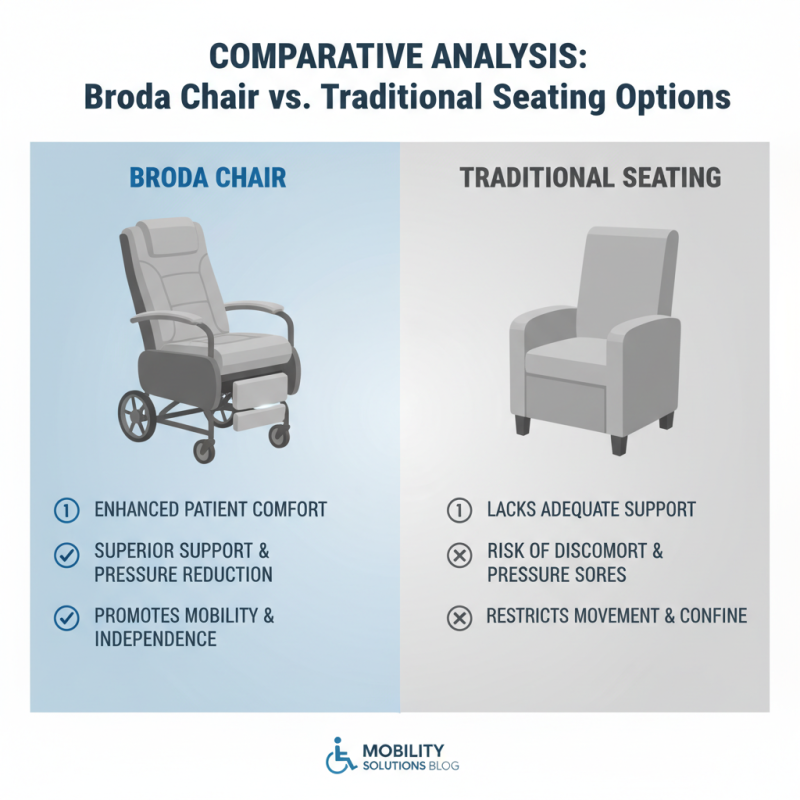
When it comes to patient comfort and mobility, traditional seating often falls short. Standard chairs may lack the necessary support for individuals with limited mobility. They frequently lead to discomfort and pressure sores. Many patients find themselves struggling to adjust while seated. Traditional options can feel confining and fail to encourage movement.
In contrast, specialized seating solutions can provide a better experience. They are designed with specific ergonomic features. These chairs often offer adjustable components for optimal support. This promotes better posture and can alleviate discomfort. Additionally, they usually provide more flexibility for patients' movements. Enhanced mobility encourages engagement and reduces feelings of isolation. A critical difference lies in how patients interact with these systems.
While both traditional and specialized seating serve the same purpose, their effectiveness varies. Assessing the needs of each patient is vital. Subpar seating can detract from a patient's quality of life. Some seating options could benefit from improved designs. Overall, the right choice can make a significant difference in patient care.
Case Studies: Successful Implementation of Broda Chairs in Care Facilities
In various care facilities, the implementation of specialized seating options has transformed patient comfort and mobility. For example, one facility noted significant improvements after introducing supportive chairs. Patients reported feeling more at ease during long hours of sitting. The staff observed that residents became more engaged in activities, reflecting higher spirits and social interaction.
However, not all transitions were seamless. Training staff to properly use and adjust these chairs took time. Some staff members felt hesitant about the changes at first. They needed assurance on how to maximize the benefits of the new furniture. An open dialogue within the team helped address concerns and enhance confidence in using the chairs. Over time, this led to smoother operations and better patient experiences.
Care facilities need to reflect on implementation challenges. Regular feedback from both patients and staff can reveal areas for improvement. Recognizing the value of continuous assessment ensures that patient comfort remains a priority. Adapting to the evolving needs of residents is essential for fostering a supportive environment.