Best Reclining Wheelchairs for Ultimate Comfort and Support?
In today's evolving healthcare landscape, the importance of comfort and support in mobility aids cannot be overstated. Dr. Emily Hart, a leading expert in rehabilitation technology, noted, "A well-designed Reclining Wheelchair can significantly enhance the user's quality of life." This statement highlights the critical role of reclining wheelchairs in providing relief for those who spend extended time seated.
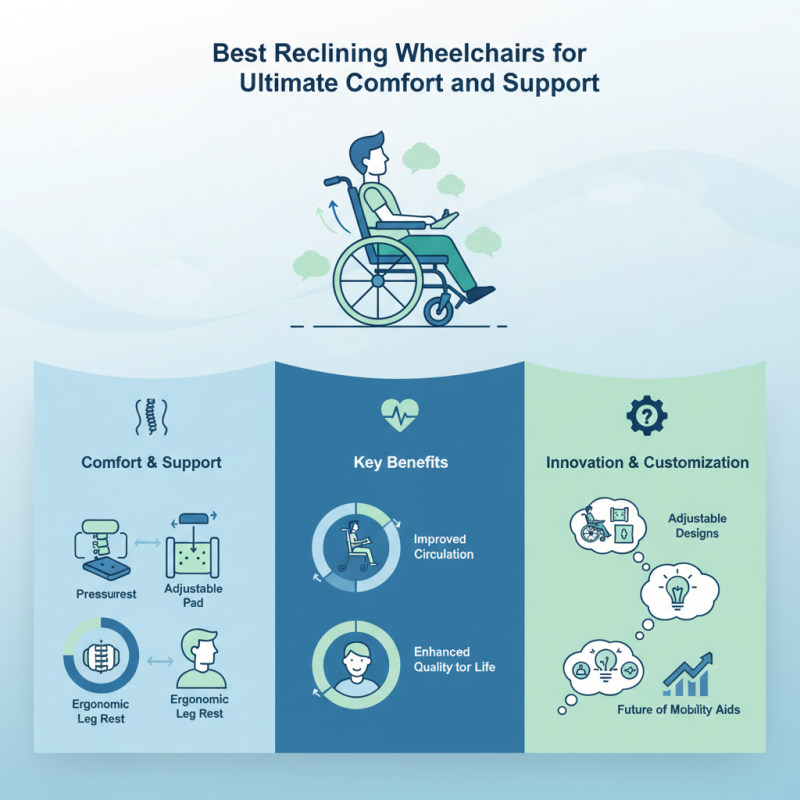
Reclining wheelchairs offer vital benefits, especially for individuals with limited mobility. They allow users to change their position easily, reducing pressure on the skin and enhancing circulation. Such features are indispensable for long-term wheelchair users. For many, the right reclining wheelchair becomes a personal sanctuary, offering both physical support and emotional comfort.
Yet, it’s essential to question whether current options meet diverse user needs. Many models overlook adjustments and customization. As more individuals seek reclining wheelchairs, the industry must reflect on user experiences. A wheelchair is not just a tool; it should cater to individual lifestyles and preferences. The pursuit of the best reclining wheelchairs continues, urging innovation while addressing prevalent gaps in the market.
Types of Reclining Wheelchairs and Their Features
Reclining wheelchairs offer various options to suit individual needs. They are designed for comfort and support, especially during long periods of sitting. Some types include manual reclining wheelchairs, powered versions, and those with tilt-in-space features. Manual models are often lighter, making them easier to transport. Powered ones provide more adjustment options at the push of a button. Tilt-in-space models redistribute pressure, which is crucial for users prone to skin issues.
Each type comes with unique features that enhance user experience. Some recliners include adjustable footrests for better leg support. Others feature headrests that can be customized for neck support. Many have breathable fabrics that reduce heat buildup, offering extra comfort. Wheelchair users may find it challenging to adapt to some options. Not every feature works for everyone, and personal preferences can vary widely.
In choosing the right reclining wheelchair, consider the daily needs of the user. Frequent adjustments can be complicated and may lead to frustration. Limited space can restrict the options available. Reflecting on these aspects will help narrow down choices. Prioritizing comfort shouldn't compromise functionality. Finding the ideal balance can be a trial-and-error process.
Key Factors to Consider When Choosing a Reclining Wheelchair
Choosing a reclining wheelchair is a task that requires careful consideration. Comfort should top your priority list. Look for adjustable seating. A well-padded seat can make a real difference. Consider the angle of recline. Some chairs recline to a nearly lying position. Others provide limited angles. Try them out before deciding.
Support is equally important. Look for wheelchairs with proper lumbar support. This feature helps maintain good posture. Check if armrests and footrests are adjustable. They need to fit your body well. Footrests should have adequate length. This helps avoid strain and discomfort during use.
Take a moment to think about the chair's weight. Lighter options are easier to transport. But, they might sacrifice sturdiness. Reflect on your needs before making a choice. Remember, the best wheelchair is the one that fits you. Every person's requirements vary. Make sure to test the models available.
Best Reclining Wheelchairs for Ultimate Comfort and Support
This chart displays the key factors to consider when choosing a reclining wheelchair, along with their importance ratings based on user feedback.
Top Brands for Reclining Wheelchairs and Their Offerings
When looking for reclining wheelchairs, comfort and support are paramount. Many brands offer a variety of models designed to enhance the user experience. These wheelchairs often feature adjustable backs, leg rests, and cushioned seats for better posture. Users appreciate options like reclining angles that allow for resting or therapeutic uses.
Some brands have specialized in lightweight materials, making their wheelchairs easier to maneuver. Others provide high-weight capacity models, ensuring safety and stability. It's crucial to assess whether the wheelchair supports short or long-term use. Comfort can be subjective; what feels good to one may not suit another. Testing different models is vital for finding the right fit.
Quality can vary greatly, which sometimes leads to disappointment. Some users notice wear and tear faster than expected. It’s wise to pay attention to warranty options and customer service. Available features often determine price ranges, so budget planning is essential. You might want a chair that reclines fully but at a price you can afford. Always approach selections with this balance in mind.
Reviews of the Most Comfortable Reclining Wheelchairs on the Market
When it comes to comfort, reclining wheelchairs stand out. They offer adjustable features that let users find their perfect position. The idea is simple: provide support while allowing relaxation. Many models offer plush headrests and reclining angles, making long periods in a wheelchair more bearable. Imagine sinking into a soft seat with support that eases pressure points.
However, not all reclining wheelchairs are created equal. Some may lack necessary features or durability. Comfort can also be subjective; what feels great to one person may not suit another. It's essential to consider the materials used. Some fabrics trap heat, making it uncomfortable over time. A good wheelchair should prioritize breathability, especially for long-term use.
Weight is another factor to think about. Heavier wheelchairs may be sturdy, but they can be challenging to maneuver. Users should reflect on their specific needs and habits. A chair that fits well in one setting might be hard to handle in another. Flexibility in design can greatly enhance usability. Ultimately, it is about finding the right balance between comfort and practicality.
Maintenance Tips for Prolonging the Life of Reclining Wheelchairs
Reclining wheelchairs provide essential comfort and support. However, maintaining them can be challenging. Regular upkeep is vital for prolonging their lifespan.
Check the upholstery for wear and tear. Loose fabric can lead to uncomfortable seating. Clean it gently with mild soap. Avoid abrasive cleaners that could damage the material. Inspect the wheels, too. They often collect dirt and debris. A quick rinse or wipe can work wonders.
Don’t forget about the moving parts. Lubricate joints and hinges regularly. This will prevent squeaking and ensure smooth operation. Pay attention to any unusual noises; they may signal deeper issues. Replace worn-out parts promptly to avoid bigger problems later. Regular maintenance keeps your wheelchair in top shape, providing the comfort and support you need.