2026 Best Pressure Cushions for Elderly Comfort and Support Options?
As we age, comfort becomes essential for maintaining quality of life. Pressure cushions for elderly individuals serve as a critical support tool. They provide relief from prolonged sitting, helping to reduce the risk of pressure ulcers.
Selecting the right pressure cushion can be daunting. There are numerous options available, and not all are suitable for everyone. Understanding individual needs is vital. Factors such as body type, sitting habits, and health conditions play a significant role in making the best choice.
Research shows that effective pressure cushions can enhance mobility and overall well-being. However, it's important to acknowledge that not every cushion will work for every user. Personal trial and adjustment are often needed. This article aims to provide insights into the best options for 2026, empowering caregivers and the elderly to make informed decisions.
Understanding Pressure Cushions and Their Importance for the Elderly
Pressure cushions play a crucial role in enhancing the comfort and support of elderly individuals. A report by the National Institute on Aging indicates that approximately 1 in 5 seniors will experience pressure ulcers. These painful sores can severely impact one's quality of life. Pressure cushions are designed to distribute body weight evenly, reducing the risk of skin breakdown and improving circulation.
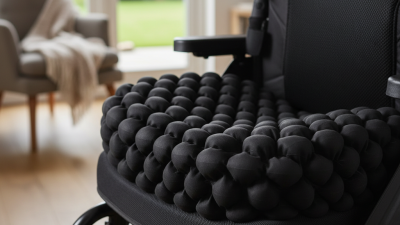
Many pressure cushions utilize advanced materials, such as memory foam and gel. These materials conform to the body, providing comfort while maintaining support. Studies have shown that using these cushions can reduce the occurrence of pressure injuries by up to 60%. However, not all cushions are suitable for every individual. It's essential to consider one's specific needs and body type when selecting a cushion.
Many caregivers may face challenges in finding the right option. There is a wide variety of products available, which can lead to confusion. Understanding the differences in materials and design features is vital for making an informed choice. Additionally, regular assessments of both comfort and skin condition are necessary for effective care. Investing time in research can lead to better outcomes for the elderly.
Key Features to Consider When Choosing Pressure Cushions for Seniors
When selecting pressure cushions for seniors, some vital features warrant attention.
Comfort should be the top priority. A well-designed cushion enhances the user’s experience,
allowing them to sit for longer without discomfort. Look for cushions that evenly distribute weight and reduce pressure points.
Consider models with memory foam or gel-infused materials. These options can provide exceptional support.
Durability is another critical factor. Seniors often need long-lasting products to avoid frequent replacements.
High-quality covers that resist wear and tear are essential. A washable cover can also promote hygiene,
essential for health. Additionally, consider the cushion's thickness. While thicker cushions may seem better, they can affect stability.
Aim for a balance between comfort and support.
Take brand claims with caution. It’s crucial to research and read user reviews. Comfort is subjective;
what suits one person may not suit another. Seeking advice from healthcare professionals may help.
They can offer insights tailored to individual needs. Trial and error can lead to the best choice.
It's a process that requires patience but can improve quality of life significantly.
Top Types of Pressure Cushions for Comfort and Support in 2026
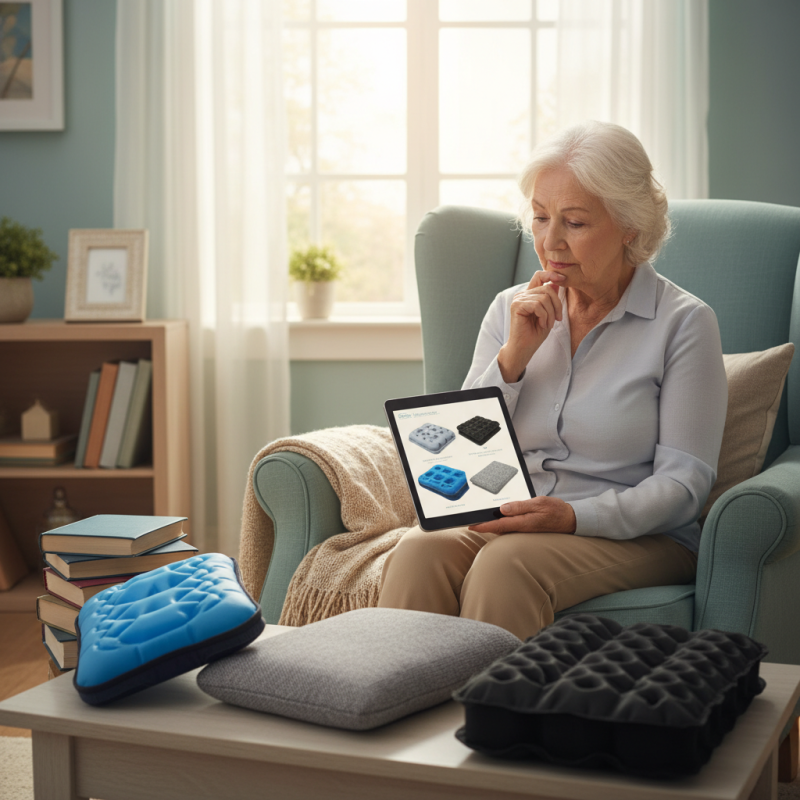
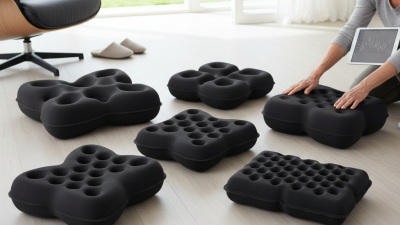
When selecting pressure cushions for the elderly, comfort and support are key. Various types offer distinct benefits. Memory foam cushions adapt to body shapes, providing personalized comfort. They minimize pressure points, reducing the risk of sores. Gel cushions offer a cooling effect and consistent support. They often feel refreshing, making long seating more bearable.
Inflatable cushions are another option, allowing users to adjust firmness. This can be particularly useful for those with varying needs. However, the maintenance of inflation levels can be challenging. It’s crucial to assess individual preferences, as comfort can be subjective. Some may find one type more supportive than another, leading to trial and error.
Consideration of posture is equally important. A cushion’s design can affect spinal alignment. This can contribute to overall back health. Cushion thickness and material may need reevaluation over time. Regular checks are essential to ensure that the cushion continues to meet evolving support needs.
2026 Best Pressure Cushions for Elderly Comfort and Support Options
| Cushion Type |
Material |
Pressure Relief Rating |
Weight Capacity |
Maintenance |
| Gel Cushion |
Gel-filled |
Excellent |
Up to 300 lbs |
Easy to clean |
| Foam Cushion |
High-density foam |
Good |
Up to 250 lbs |
Hand wash |
| Inflatable Cushion |
Inflatable materials |
Very Good |
Up to 350 lbs |
Requires regular inflation |
| Memory Foam Cushion |
Viscoelastic foam |
Excellent |
Up to 400 lbs |
Washable cover |
| Fluidized Cushion |
Fluid-filled |
Exceptional |
Up to 500 lbs |
Easy maintenance |
Comparison of Leading Brands for Elderly Pressure Cushions
When considering pressure cushions for the elderly, comfort and support are paramount. Recent industry reports indicate that nearly 30% of older adults experience pressure ulcers, highlighting the need for effective solutions. Several popular types of pressure cushions exist, including gel-filled, air-filled, and foam options. Each type offers various benefits and drawbacks, and it can be challenging to determine which one provides optimal comfort.
Gel cushions often distribute weight evenly, reducing localized pressure. However, they can retain heat, potentially causing discomfort. Air cushions adjust to body contours, providing excellent support but may require frequent inflation checks. Foam options are lightweight and breathable but can compress over time. A study shows foam can lose its effectiveness after just six months. Understanding these differences is crucial for caregivers selecting the right cushion.
Consumer feedback reveals a common frustration: not all cushions perform as advertised. Users may find that some models shift too easily or fail to provide adequate support. Testing different products is essential before making a final choice. Caregivers should also consider ease of cleaning and maintenance. With the proper research, finding the right cushion is possible, improving the quality of life for the elderly.
2026 Best Pressure Cushions for Elderly Comfort and Support
This chart compares the effectiveness of various pressure cushions based on key comfort and support metrics including pressure relief, durability, and user satisfaction ratings.
Tips for Maintaining and Caring for Pressure Cushions for Longevity
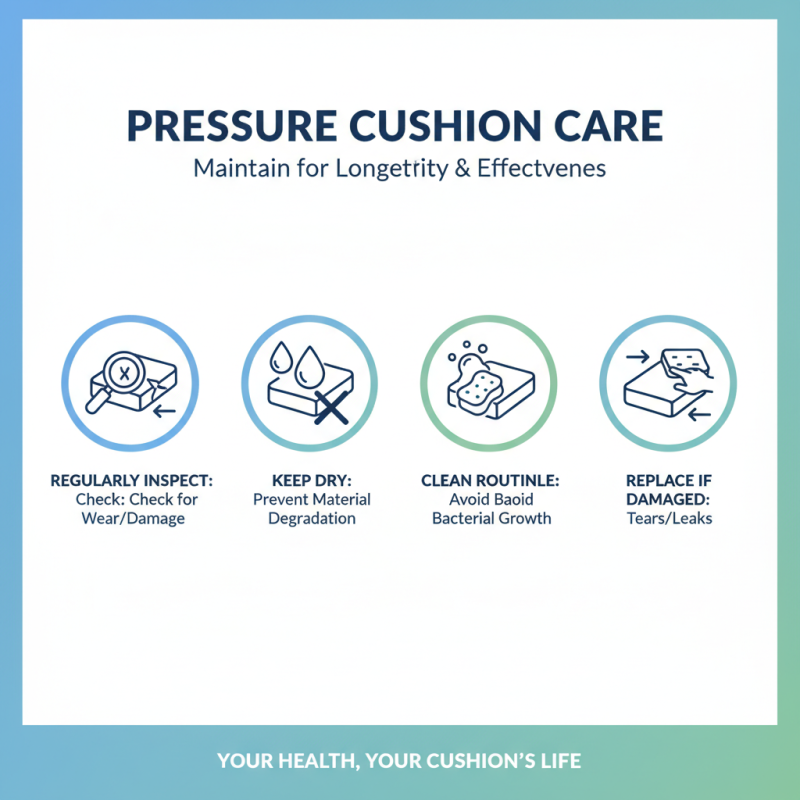
Maintaining pressure cushions is crucial for their longevity and effectiveness. Regularly inspect the cushions for any signs of wear or damage. If you notice any tears or leaks, consider replacing them immediately. Dampness can negatively impact materials, making maintenance even more essential. Keeping cushions clean is vital in preventing bacteria growth.
Cleaning should be done gently. Use mild soap and water to wipe surfaces. Avoid harsh chemicals, as they can degrade the materials. In addition, air-dry the cushions instead of using a dryer. This simple step can prevent unnecessary wear. Proper storage also matters. When not in use, store cushions in a cool, dry place to avoid moisture buildup.
Rotate the cushions periodically to ensure even wear. Cushions used frequently should be flipped or repositioned. This practice helps them to retain their shape and provide consistent support. Encourage the elderly to adjust their seating position regularly for comfort. It's a small, but effective way to prolong the life of pressure cushions, ensuring they remain supportive and comfortable.