Best Pressure Cushions for the Elderly to Enhance Comfort?
As the population ages, the need for pressure cushions for elderly individuals continues to grow. According to a report by the National Institute on Aging, around 20% of older adults experience discomfort due to prolonged sitting. This discomfort can lead to serious health issues, including pressure sores and reduced mobility.
Pressure cushions are designed to alleviate this discomfort and enhance overall comfort. Studies show that the right cushion can significantly reduce pressure on the skin by distributing weight evenly. This is crucial for elderly individuals who may spend extended periods in a seated position. The balance between comfort and support is essential for their well-being.
While many options are available, not all pressure cushions are created equal. Some may not provide adequate support or durability. It’s essential to choose wisely. Factors such as material, thickness, and design can impact comfort and health outcomes. Reflecting on personal experiences can help guide decisions for the best pressure cushions for elderly relatives or patients. Thoughtful selection can lead to improved quality of life.

Understanding Pressure Cushions and Their Benefits for the Elderly
Pressure cushions are essential for elderly individuals who spend significant time sitting. These cushions help prevent pressure sores and enhance overall comfort. They distribute body weight evenly and relieve pressure points. Soft materials and ergonomic designs make them suitable for various seating arrangements.
Understanding the benefits of pressure cushions is crucial. They can improve posture, which is often a concern for the elderly. Better posture reduces the risk of back pain and discomfort. In addition, many cushions are designed to maintain optimal body temperature, keeping users cool during warmer months. However, choosing the right cushion can be challenging. Some individuals may find that certain materials do not provide the level of support they require.
Maintaining these cushions is important, too. Regular cleaning ensures hygiene and prolongs their lifespan. Some elderly individuals may struggle with maintaining proper care due to physical limitations. It's essential to encourage caregivers to take an active role in this aspect. Ultimately, investing in the right pressure cushion can significantly improve the quality of life for elderly individuals. Nonetheless, it requires thoughtful consideration and regular adjustments based on comfort and support needs.
Key Features to Look for in Pressure Cushions for Elderly Comfort
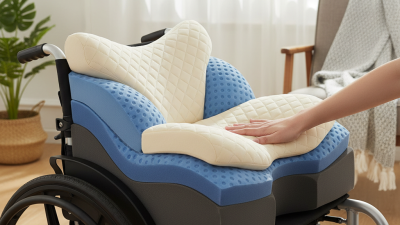
When selecting pressure cushions for the elderly, comfort is paramount. Look for materials that provide excellent support while also being breathable. Memory foam and gel-infused options can be particularly beneficial. They conform to the body and relieve pressure on sensitive areas. This can prevent discomfort and potential skin issues.
In addition to material, consider the cushion's size and thickness. A thicker cushion may offer better pressure relief, but it also needs to fit well on chairs or wheelchairs. Make sure it doesn’t make sitting difficult. Always measure before purchasing to ensure proper fit.
Remember to check for safety features, such as non-slip bottoms. This can prevent the cushion from sliding during use. Easy maintenance is also essential. Look for covers that are machine washable. This will help keep the cushion hygienic and prolong its life. Regular cleaning can enhance comfort over time.
Comparative Overview of Top Pressure Cushion Brands for Seniors
Selecting the ideal pressure cushion for seniors is essential for enhancing comfort and preventing discomfort. Many brands offer a range of options catering to various needs. It's vital to consider factors such as material, support level, and the cushion's ability to distribute weight evenly.
When comparing different brands, pay attention to the designs. Some cushions feature gel-infused materials that provide cooling effects. Others might have memory foam that adapts to body shape. Each type has its pros and cons, and personal preference plays a significant role in the selection process.
For seniors, weight distribution is critical. A cushion that doesn’t properly distribute weight can lead to pressure sores. Regularly assess how the cushion feels over time. Some may find their initial choice uncomfortable after extended use. Encourage an open dialogue about discomfort to ensure adjustments can be made as needed. Adjustments might lead to a better fit and improved comfort.
Best Pressure Cushions for the Elderly to Enhance Comfort
| Cushion Type |
Material |
Pressure Relief Rating |
Weight Limit |
Washable Cover |
Price Range |
| Gel Foam Cushion |
Gel-infused foam |
High |
300 lbs |
Yes |
$50 - $80 |
| Air Cell Cushion |
Air chambers |
Very High |
250 lbs |
Yes |
$120 - $150 |
| Memory Foam Cushion |
Memory foam |
Moderate |
275 lbs |
Yes |
$30 - $60 |
| Compressive Foam Cushion |
Highly compressible foam |
High |
300 lbs |
Yes |
$40 - $70 |
| Foam Overlay |
Soft supportive foam |
Moderate |
350 lbs |
Optional |
$20 - $50 |
User Reviews and Testimonials on Pressure Cushions for Elderly Care
User reviews highlight the importance of pressure cushions for elderly comfort. Many caregivers report significant improvements in their loved ones' quality of life. According to a study published by the Journal of Geriatric Nursing, over 60% of elderly individuals experience pressure sores, particularly those with limited mobility. This statistic underlines the necessity of effective pressure relief solutions.
Feedback from users often emphasizes the need for both comfort and durability. Caregivers appreciate cushions that withstand daily use while providing support. Reviews note that gel and memory foam options receive higher ratings, with users stating these materials enhance overall comfort. Additionally, the right cushion can reduce the risk of pressure ulcers significantly, which is a major concern in elderly care.
When selecting a pressure cushion, consider proper dimensions and weight support. An ill-fitting cushion can lead to discomfort and possible complications. Regularly check the condition of the cushion as well. Signs of wear and tear should prompt a replacement to maintain effectiveness. Remember, ongoing feedback from users can guide new purchases, ensuring that the cushion meets specific needs.
Best Pressure Cushions for the Elderly to Enhance Comfort
This bar chart illustrates user satisfaction ratings for various types of pressure cushions commonly used by the elderly. Memory foam cushions received the highest satisfaction rating, indicating a preference among users for comfort and support.
Maintenance Tips for Prolonging the Life of Pressure Cushions
Maintaining pressure cushions is vital for ensuring comfort and prolonging their lifespan. Regular cleaning can make a significant difference.
Use a damp cloth with mild soap after each use. This method prevents allergens from accumulating. Avoid harsh chemicals, as they can degrade materials.
Rotating cushions is another effective strategy. By changing their position occasionally, you reduce wear unevenly.
This practice ensures that all areas receive equal pressure relief. It’s a simple task but one often overlooked.
Storage conditions also matter. Keeping cushions in a dry, cool place prevents moisture buildup, which can lead to mold. Ensure the cushions are not exposed to direct sunlight for extended periods. Protecting your investment requires attention to detail and regular care.