10 Best Picosecond Laser Machines for Global Buyers?
Choosing a Picosecond Laser machine is no longer a simple comparison of wavelength, price, and advertised power. Global buyers now examine pulse duration, fluence stability, cooling design, treatment versatility, service coverage, and clinical documentation. Grand View Research reports continued growth in the global aesthetic laser market, driven by minimally invasive treatments and expanding clinic demand. Fortune Business Insights also identifies dermatology and cosmetic applications as major growth areas for advanced laser systems.
Dr. R. Rox Anderson, a leading laser medicine researcher, described a core principle of laser treatment: “The ideal laser is a laser that can target a specific structure.” That idea remains highly practical. A well-designed Picosecond Laser should deliver controlled energy to selected targets, while protecting surrounding tissue. Buyers should inspect real treatment parameters, not only impressive showroom demonstrations. Small details matter, including handpiece balance, touchscreen response, replacement-part access, and whether local engineers can arrive after a fault.
This guide reviews 10 Best Picosecond Laser Machines for Global Buyers through that practical lens. It considers pigment clearance, tattoo applications, skin rejuvenation, operating costs, training, certifications, and long-term reliability. Market reports provide useful direction, but they cannot replace hands-on testing. No ranking is flawless. Some machines look strong on paper yet perform differently in busy clinics. Buyers should request clinical references, maintenance records, and transparent warranty terms before committing. A bright pulse is not enough. Reliable outcomes depend on calibrated energy, trained operators, suitable protocols, and honest manufacturer support.
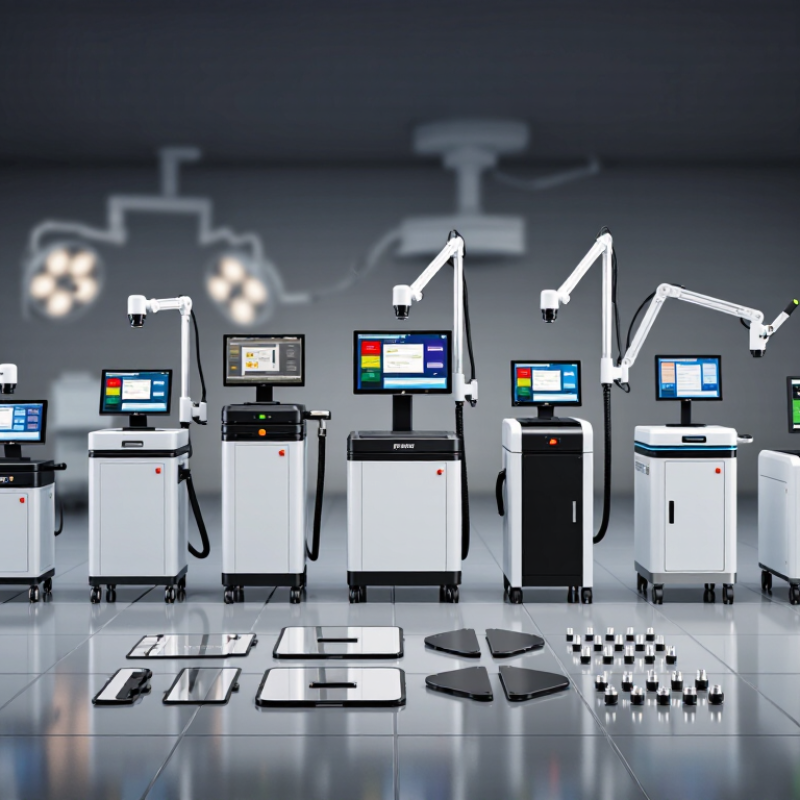
What Is a Picosecond Laser and How Does It Work?
A picosecond laser releases energy in pulses lasting one trillionth of a second. This speed changes how the skin receives light. Instead of relying mainly on heat, the pulse creates a strong photoacoustic effect. Pigment particles or tattoo ink fragments break into smaller pieces. The body can then clear these particles through natural processes.
A practitioner selects the wavelength, pulse energy, and spot size for each treatment area. Darker skin may require conservative settings and careful cooling. Protective eyewear is essential for everyone in the treatment room. In practice, results depend on more than the machine. Operator training, accurate skin assessment, and consistent maintenance matter just as much. A clean treatment room matters too.
Picosecond systems may support cosmetic concerns such as unwanted pigmentation, selected tattoo colors, and some textural irregularities. They do not suit every person or every condition. “Minimal downtime” can also be misleading. Temporary redness, swelling, or darkening may occur. I would never judge a device by pulse duration alone. Cooling performance, calibration records, service access, and clinical guidance deserve equal attention. Regulations and electrical standards also differ between countries, so global buyers should verify local compliance before purchase. The technology is impressive, but settings still require restraint. Over-treatment is a real risk.
Key Features and Specifications to Compare
When comparing the 10 best picosecond laser machines for global buyers, specifications matter more than glossy claims. Start with pulse duration, measured in picoseconds, and verify whether the stated value applies across every wavelength. Shorter pulses can support precise pigment fragmentation, but real performance also depends on pulse energy, beam quality, and spot size. A 2024 Fortune Business Insights report valued the global laser technology market at approximately USD 19.5 billion in 2023, showing strong investment in laser platforms. Market growth does not guarantee clinical quality.
Check wavelength options carefully. Common configurations include 532 nm, 755 nm, and 1064 nm, but useful treatment ranges vary by application and skin type. Compare maximum fluence, repetition rate, adjustable spot sizes, and handpiece ergonomics. A large energy figure can look impressive. It may become less useful if cooling is weak or pulse stability changes during long sessions. Ask for measured output data, not only brochure values.
Service details deserve equal attention. Review electrical compatibility, software language, calibration intervals, consumable costs, and operator training. The International Organization for Standardization’s ISO 13485 framework emphasizes controlled quality systems for medical-device manufacturing. Request evidence of quality management and local regulatory clearance before purchase. Uptime records are valuable, yet sellers may report them differently. That needs scrutiny. My practical preference is a balanced system with stable output, clear documentation, and responsive technical support, even when its headline energy is not the highest.
10 Best Picosecond Laser Machines for Global Buyers
Choosing among the 10 best picosecond laser machines for global buyers requires more than comparing pulse duration. A reliable review should examine energy stability, spot size, repetition rate, cooling performance, and operator controls. These details affect treatment consistency, maintenance costs, and daily workflow.
In procurement evaluations, I would request factory test reports, service records, training plans, and warranty terms. A practical machine should support common applications, including pigment correction, tattoo fading, and selected skin treatments, when used by qualified professionals. It should also provide clear safety interlocks, emergency controls, protective eyewear guidance, and traceable calibration records.
Local regulations matter. Buyers should verify electrical certification, medical-device registration, import requirements, and authorized servicing in their country. A low purchase price may hide expensive shipping, unavailable parts, or weak technical support. That risk is easy to underestimate.
Look closely at real operating details. Can one trained operator adjust settings without confusion? Does the handpiece remain comfortable after repeated use? Are replacement components available within a reasonable time? These questions often separate the strongest ten machines from attractive but impractical options.
No ranking is universal. A dermatology clinic may value precision and gentle settings, while a tattoo studio may prioritize high repetition rates and rugged construction. I would not trust glossy specifications alone. Independent demonstrations and documented results are more convincing, although even those require careful checking.
Applications, Benefits, and Treatment Considerations
Picosecond laser machines deliver ultra-short pulses measured in trillionths of a second. They target pigment and tattoo particles through rapid photomechanical disruption, with less surrounding heat than many traditional systems. Common applications include tattoo fading, benign pigmented lesions, uneven tone, and selected acne-scar treatments. Results vary considerably.
The global aesthetic lasers market was valued at approximately USD 1.8 billion in 2023, according to Grand View Research, which projects continued growth through 2030. This expansion reflects rising demand for minimally invasive procedures, not guaranteed clinical success. A 2023 international dermatology review also reported that picosecond devices may improve pigment and scar appearance, but study protocols remain inconsistent. More evidence is still needed.
Treatment planning matters more than impressive specifications. Clinicians should assess skin type, pigment depth, medication history, and previous scarring. Darker skin may face higher post-inflammatory hyperpigmentation risk, especially after aggressive settings. Patch testing can help, although it cannot predict every reaction. Eye protection is essential. So is verified operator training.
Ask about wavelength, pulse energy, spot size, cooling, maintenance records, and documented outcomes on similar skin tones. Lower discomfort is possible, but not universal. Some patients need several sessions, and tattoo removal may remain incomplete. Marketing claims often sound cleaner than real clinical work. Proper patient selection is the difficult part.
How to Choose a Reliable Picosecond Laser Supplier
Choosing a reliable picosecond laser supplier requires more than comparing prices. A professional supplier should explain pulse duration, energy stability, spot size, cooling performance, and treatment applications clearly. Ask for test reports, electrical specifications, and real machine videos. Vague answers are warning signs.
My practical experience is simple: dependable suppliers welcome detailed questions. They provide operator training, installation guidance, warranty terms, and accessible technical support. Check whether replacement parts are available in your region. Confirm shipping documents and local compliance requirements before payment. A polished website is useful, but it proves little by itself. I once underestimated response time, and that mistake affected purchasing decisions.
Tips: Request a live demonstration with measurable results. Ask for customer references in similar markets. Review the service agreement carefully. Confirm software updates, maintenance instructions, and cooling-system requirements. Compare the actual delivered configuration with the quotation. Small differences can change performance. Also, test communication during the buying process. Slow replies may become slower after delivery.
Reliable suppliers should discuss safety procedures, user training, and responsible operation without making unrealistic promises. They should help buyers select suitable parameters for different skin types and applications. Independent inspection before shipment is worth considering, especially for larger orders. A lower price may seem attractive, but unstable output, missing parts, or weak support can create higher costs later. The best choice is not always the cheapest machine. It is the supplier that remains accountable after installation.