What is an Air Cushion for Chair and How Does It Work?
Are you experiencing discomfort while sitting? An air cushion for chair may be the solution you need. These innovative products are designed to enhance your sitting experience by providing support and comfort. Understanding how an air cushion works is essential for maximizing its benefits.
An air cushion typically uses air-filled compartments to distribute weight evenly. This design reduces pressure points, promoting better posture. Many users report less fatigue during long hours of sitting. However, the effectiveness of an air cushion depends on its proper use and quality. Not all cushions are created equal, and some may not provide the desired relief.
It's important to consider individual needs when choosing an air cushion for chair. Some people may find certain designs more beneficial than others. Personal preferences, such as firmness and shape, play a crucial role in determining comfort. While air cushions are beneficial, they are not a cure-all. Reflect on your specific situation to ensure you select the right solution for your comfort needs.
What is an Air Cushion for Chair: Definition and Overview
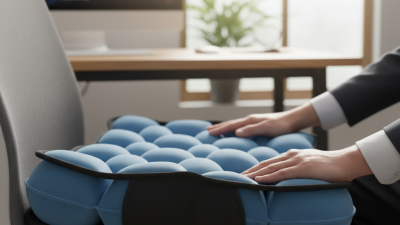
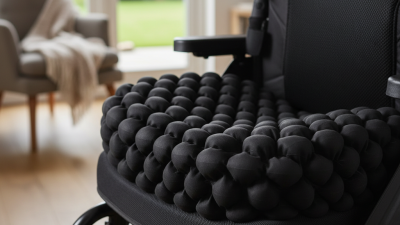
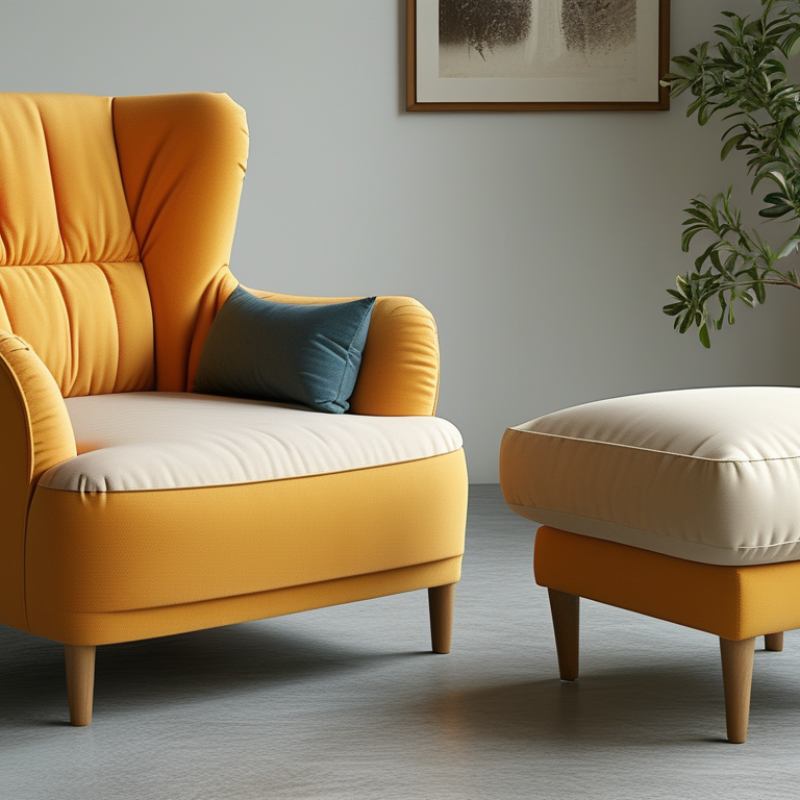
An air cushion for a chair is a specialized support system designed to enhance comfort. These cushions use air-filled chambers that adapt to body weight and shape. The result is a customized seating experience, promoting better posture and reducing pressure points. Individuals who sit for long periods, such as office workers or gamers, can experience relief from discomfort.
The functionality of an air cushion is straightforward yet effective. When pressure is applied, the air within the chambers redistributes. This dynamic adjustment allows for a more ergonomic seating position. However, users may find it requires an adjustment period. Some might experience initial instability or difficulty in finding the right air level. Experimenting with inflation can lead to the ideal balance.
While air cushions promote comfort, they are not a one-size-fits-all solution. Each person's needs vary, and outcomes can differ based on individual preferences. It is crucial to assess personal comfort regularly. Seeking expert advice can also enhance the experience, ensuring the chosen cushion meets specific requirements. Understanding these factors is essential in maximizing the benefits of an air cushion for a chair.
What is an Air Cushion for Chair and How Does It Work?
| Feature |
Description |
| Definition |
An air cushion for chairs is a supportive pad filled with air, designed to enhance comfort and reduce pressure on the body while sitting. |
| Materials |
Typically made of durable, flexible materials such as PVC or TPU that are capable of holding air without leaking. |
| Function |
The cushion redistributes body weight, alleviating pressure points and promoting better posture and circulation. |
| Health Benefits |
Helps reduce the risk of developing back pain, joint issues, and pressure sores for extended sitting periods. |
| Maintenance |
Easy to clean with a damp cloth; ensure proper inflation to maintain shape and support. |
| Usage |
Ideal for office chairs, wheelchairs, and any seating arrangement to improve comfort. |
The Mechanism of Air Cushions: How They Provide Support and Comfort
Air cushions for chairs serve an essential role in providing ergonomic support. They achieve this through a unique mechanism that involves the strategic use of air pockets. These cushions are typically comprised of inflatable chambers that can adjust to the user's weight and seating position. A study from the Journal of Ergonomics indicates that air cushion technologies can reduce pressure on the pelvic area by up to 30%. This reduction minimizes discomfort during prolonged sitting.
The construction of air cushions allows for dynamic support. Users can customize the firmness by adding or releasing air, which caters to individual preferences and varying body types. Research shows that such personalized adjustments lead to better spine alignment. Approximately 70% of users report enhanced comfort and less fatigue over extended periods of sitting.
Despite their benefits, some challenges remain. Many air cushions require regular adjustments to maintain optimal firmness. Users may find it difficult to gauge the right air pressure initially. Additionally, air cushions can sometimes slip on smooth surfaces, affecting stability. These factors can lead to a less than perfect experience, prompting further consideration of design improvements.
Benefits of Using Air Cushions: Alleviating Pain and Improving Posture
Air cushions for chairs are designed to enhance comfort and support. These cushions utilize air-filled pockets to provide adjustable pressure. With this setup, they can relieve pressure on specific areas of the body. Many users find that they help alleviate discomfort during long periods of sitting. The gentle support can significantly reduce back pain and promote better blood circulation.
Using an air cushion can also improve posture. By aligning the spine properly, it encourages a more natural sitting position. Proper posture plays a crucial role in preventing musculoskeletal issues. Most users report feeling more alert and productive. However, individual experiences vary, and adjustments may be necessary for optimal comfort.
It’s essential to consider your specific needs when using an air cushion. Some may require more firmness for adequate support, while others prefer a softer touch. Finding the right balance can take a few tries. It’s worth exploring different positions and adjustments to determine what works best for you.
Industry Insights: Market Trends and Statistics on Air Cushion Usage
The air cushion market is growing as more people seek ergonomic solutions for sitting. These cushions are often used in offices and homes. They provide support and comfort, which is essential for long hours of sitting. Research indicates that users report reduced back pain and increased productivity due to these cushions. The ability of air to adapt to body shape is a unique feature that enhances comfort.
Statistical insights reveal a shift in consumer preferences. Many individuals are now prioritizing health and well-being when choosing seating options. This trend is influencing manufacturers to innovate and develop better air cushion technologies. Market analysis suggests a significant rise in demand from younger demographics as they invest in home offices. However, there remains a gap in understanding how different cushion designs affect posture. It’s crucial for users to reflect on their choices and the impact on their health.
Despite the benefits, some users may find air cushions less effective than traditional seating. Comfort varies greatly among individuals. And while many have positive experiences, not every design suits all body types. There is still room for improvement in product development. Understanding user feedback is essential for creating more inclusive air cushion solutions.
Comparative Analysis: Air Cushions vs. Traditional Cushions in Ergonomics
Air cushions offer distinct advantages over traditional chair cushions in ergonomics. Unlike foam or gel cushions, air cushions are designed to distribute weight evenly. This reduces pressure points, which can lead to discomfort during long periods of sitting. Many users report a noticeable improvement in their posture when using air cushions. The adjustable nature of these cushions allows individuals to customize firmness, enhancing their seating experience.
One key difference lies in breathability. Traditional cushions often retain heat, while air cushions promote airflow, helping to keep users cool. This aspect can significantly reduce sweating and discomfort, especially in warmer environments. Additionally, air cushions can be adjusted for various activities, providing versatile support throughout the day.
If you’re considering switching to an air cushion, think about your daily routine. Determine where you spend the most time sitting. Test out different inflation levels to find what feels most comfortable. Remember that some air cushions may take time to get used to. Monitor your comfort levels closely to ensure you make the best choice for your needs.